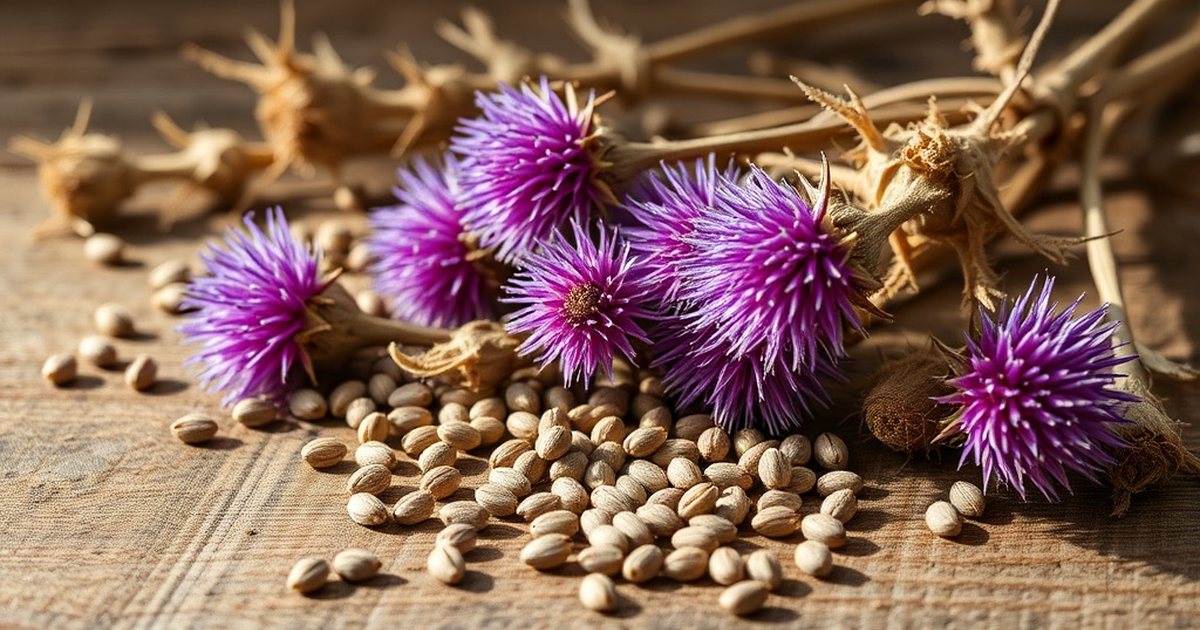
Milk thistle (Silybum marianum) seed extract, standardized to the flavonolignan complex silymarin, is one of the most widely used herbal supplements for liver support.[2] The primary active constituents — silybin A, silybin B, isosilybin A, isosilybin B, silychristin, and silydianin — are collectively referred to as silymarin.
Supplements vary widely in silymarin content, extraction methods, and quality verification. Because the FDA does not evaluate dietary supplements for safety or effectiveness before they are marketed, third-party testing and transparent labeling are critical for identifying reliable products.
Key Takeaways
- Choose products standardized to 70–80% silymarin with the silymarin dose clearly listed per serving.
- Prioritize brands that carry a current USP, NSF, or ConsumerLab seal and provide lot-specific Certificates of Analysis.
- Be aware of potential CYP450-mediated drug interactions; consult a clinician if you take prescription medications.
- Avoid products with proprietary blends, disease-treatment claims, or missing expiration/lot information.
- Compare cost per milligram of silymarin, not just price per bottle, to assess true value.
Understanding Silymarin Standardization
Most clinical research on milk thistle uses extracts standardized to 70–80% silymarin by weight, typically delivering 140–210 mg of silymarin per dose (often divided two to three times daily). Products that list only “milk thistle extract” without a standardization percentage may contain highly variable amounts of active flavonolignans.
Some newer formulations use silybin-phosphatidylcholine complexes (phytosomes) designed to improve intestinal absorption.[1] While pharmacokinetic studies show higher plasma silybin levels with phytosome forms compared to standard extracts, the clinical significance of this difference for liver outcomes remains under investigation.
Third-Party Testing and Quality Seals
Independent laboratories such as USP, NSF International, and ConsumerLab.com test supplements for identity, potency, purity (heavy metals, pesticides, microbial limits), and disintegration. A seal from one of these organizations indicates the product met their specific testing criteria at the time of evaluation.
Certificates of Analysis (CoAs) from the manufacturer or a contracted lab should be available upon request or posted on the brand’s website. Look for lot-specific CoAs that confirm silymarin content matches the label claim and that contaminants are below accepted thresholds.

Forms and Delivery Systems
Milk thistle supplements are sold as capsules, softgels, tablets, liquid extracts, and powders. Softgels and liquid phytosome formulations may offer better bioavailability than standard dry-herb capsules, but they often cost more per milligram of silymarin.
Enteric-coated or delayed-release capsules are marketed to protect silymarin from stomach acid, though silymarin is relatively stable in acidic environments. The practical advantage of enteric coating for this ingredient is not well established in comparative human studies.
Potential Drug Interactions and Safety Considerations
Silymarin and its constituents can modulate cytochrome P450 enzymes (including CYP3A4, CYP2C9, and CYP2D6) and transporters such as P-glycoprotein in vitro and in some human studies. This raises the theoretical risk of interactions with medications metabolized by these pathways — including certain statins, antidiabetic agents, anticoagulants, and hormonal therapies.
Allergic reactions are possible, particularly in individuals with known sensitivity to plants in the Asteraceae/Compositae family (ragweed, chrysanthemums, marigolds, daisies). People with diagnosed liver disease, those who are pregnant or breastfeeding, and anyone taking prescription medications should consult a healthcare professional before starting a milk thistle supplement.
Reading Labels: What to Check Before Buying
A clear label states the plant part used (seed), the extraction solvent (e.g., ethanol, water), the standardization percentage (e.g., “standardized to 80% silymarin”), and the amount of silymarin per serving in milligrams. Proprietary blends that hide the exact silymarin dose make it impossible to compare products or match research dosing.
Expiration dates and lot numbers are indicators of basic quality management. Avoid products that make disease-treatment claims (“cures fatty liver,” “reverses cirrhosis”), as these violate FDA regulations for dietary supplements and suggest the manufacturer is not following responsible labeling practices.

Price, Value, and Practical Tips
Cost per milligram of silymarin is a useful metric for comparing value. Calculate it by dividing the bottle price by the total milligrams of silymarin in the container (serving silymarin mg × number of servings). Phytosome products typically have a higher cost per mg of silymarin but may require a lower dose.
Store supplements in a cool, dry place away from direct sunlight. Silymarin is relatively stable, but prolonged heat and humidity can degrade flavonolignans over time. Replace bottles that are past their expiration date or show signs of moisture damage.
🛒 Where to Buy Milk Thistle (Silymarin)
- CleanseParasites Heavy Metal + Microplastics Binder Editor’s Pick
Contains milk thistle alongside spirulina, zeolite, and other binder herbs. - Thorne Siliphos (Silybin Phosphatidylcholine Complex)
capsules, 1 capsule (~120mg silybin-phosphatidylcholine complex) — Phospholipid complex form (silybin bound to phosphatidylcholine) for liver support - Jarrow Formulas Milk Thistle 150mg (Silymarin Standardized Extract)
capsules, 1 capsule (150mg, 80% silymarin) — Widely used, standard 80% silymarin extract at an accessible price - NOW Foods Silymarin Milk Thistle Extract 150mg
capsules, 1 capsule (150mg, 80% silymarin) — Made under NOW’s GMP Quality Assured program, budget-friendly staple brand with consistent standardization - Nature’s Way Milk Thistle Thisilyn Standardized Extract
capsules, 1 capsule (175mg, 80% silymarin) — Long-running standardized formula, one of the most established milk thistle brands in the US market
As an Amazon Associate we earn from qualifying purchases. Quality varies widely — always choose a product with a published third-party test (COA) before buying.
A Note on the Evidence
Milk thistle supplements are not FDA-evaluated for safety or effectiveness and are not intended to diagnose, treat, cure, or prevent any disease. They can interact with CYP450-metabolized medications (including some statins, diabetes drugs, and hormonal therapies). Those with ragweed/Asteraceae allergies or diagnosed liver disease should consult a physician before use. This information is educational and not medical advice.
Frequently Asked Questions
What is the difference between milk thistle and silymarin?
Milk thistle is the whole plant (Silybum marianum); silymarin is the standardized flavonolignan complex extracted from its seeds, primarily composed of silybin isomers, silychristin, and silydianin. Supplements should specify the silymarin content.

Is a phytosome (silybin-phosphatidylcholine) form better than a standard extract?
Phytosome formulations show higher plasma silybin levels in pharmacokinetic studies, but whether this translates to superior liver outcomes in clinical practice is not conclusively established. They are generally more expensive per milligram of silymarin.
Can milk thistle supplements interact with my medications?
Yes. Silymarin can affect CYP450 enzymes (CYP3A4, CYP2C9, CYP2D6) and P-glycoprotein, potentially altering blood levels of certain statins, diabetes drugs, hormonal therapies, and other medications. Consult your prescriber before combining.
How long does it take to see effects from milk thistle?
Milk thistle is not a drug and is not intended to treat disease. In studies of liver conditions, durations range from 8 weeks to 12 months. Individual response varies, and supplements should not replace medical evaluation or prescribed therapy.
Are there people who should avoid milk thistle?
Individuals with Asteraceae/ragweed allergies, hormone-sensitive conditions (due to theoretical estrogenic activity of some flavonolignans), or diagnosed liver disease should seek medical advice before use. Pregnant and breastfeeding women should avoid it due to insufficient safety data.
Does the FDA approve milk thistle supplements?
No. Dietary supplements are not FDA-approved for safety or effectiveness before marketing. The FDA regulates manufacturing practices (cGMPs) and labeling claims post-market. Third-party testing fills the verification gap.
References
- Superior silybin bioavailability of silybin-phosphatidylcholine complex in oily-medium soft-gel capsules versus conventional silymarin tablets in healthy volunteers. BMC Pharmacology and Toxicology (2019). PMID 30635055
- Milk thistle (Silybum marianum): A concise overview on its chemistry, pharmacological, and nutraceutical uses in liver diseases. Phytotherapy Research (2018). PMID 30080294
These statements have not been evaluated by the Food and Drug Administration. This information is not intended to diagnose, treat, cure, or prevent any disease. Content is for informational purposes only and is not medical advice; consult a qualified healthcare provider before starting any supplement. As an Amazon Associate we earn from qualifying purchases.