Milk thistle and turmeric are two of the most commonly recommended herbal supplements for liver health, and they often get lumped together as if they do the same thing. They don’t. Milk thistle’s active complex, silymarin, is studied mainly for its antioxidant and membrane-stabilizing effects on liver cells, while turmeric’s curcumin is studied more broadly for inflammation and metabolic markers, with a growing body of research specifically in fatty liver disease.
This comparison lays out what curcumin research actually shows for liver enzymes, fat accumulation, and inflammation, where milk thistle’s proposed mechanism differs, and why the honest answer for most people is that these are complementary tools rather than competitors. Neither is a treatment for diagnosed liver disease, and neither replaces medical care.
Key Takeaways
- Milk thistle’s silymarin is studied mainly for antioxidant and membrane-stabilizing effects on liver cells; curcumin has a broader and more recent RCT base specifically measuring liver fat and enzymes in metabolic liver disease.
- The strongest curcumin evidence is in people who already have MASLD, diabetes, or related metabolic risk factors, not in healthy people looking for general prevention [1] [2].
- Curcumin’s absorption is poor in standard form; trials showing benefit often used enhanced formulations like phytosomal curcumin or fermented turmeric powder [3] [4].
- Both herbs can interact with CYP450-metabolized drugs including statins, diabetes medications, and hormonal therapies.
- Neither herb is FDA-evaluated for safety or effectiveness, and neither treats, cures, or prevents liver disease; this is informational content, not medical advice.
How the Two Herbs Are Thought to Work
Milk thistle seed extract is standardized to silymarin, a group of flavonolignans including silybin (also called silibinin). The proposed mechanisms are antioxidant activity that mops up reactive oxygen species generated during liver stress, stabilization of hepatocyte cell membranes so toxins have a harder time getting in, and a mild anti-inflammatory effect on liver tissue. Turmeric’s curcuminoids, primarily curcumin, are studied for a different but overlapping set of actions: modulating inflammatory signaling pathways, reducing oxidative stress markers, and in several trials, directly reducing liver fat accumulation in people with metabolic liver disease [1].

Both plants have long traditional-use histories that predate the modern research on their isolated compounds [5] [6]. That history is worth noting honestly: it establishes plausibility and informs why researchers chose to study these compounds, but traditional use alone isn’t clinical evidence. The sections below focus on what controlled trials have actually measured.
Curcumin and Fatty Liver Disease: What the Trials Show
The strongest recent evidence for either herb affecting liver outcomes comes from curcumin trials in people with metabolic dysfunction-associated steatotic liver disease (MASLD, formerly called NAFLD). A randomized controlled trial in people with type 2 diabetes and MASLD found curcumin supplementation improved markers of inflammation [2]. A separate RCT in obese patients with type 2 diabetes reported that curcumin reduced liver steatosis (fat accumulation) through what the authors describe as antioxidant and anti-inflammatory pathways [1].
Earlier work reinforces this pattern. A randomized controlled trial using phytosomal curcumin, a formulation designed for better absorption, found efficacy and safety benefits in non-alcoholic fatty liver disease [3]. A 2026 systematic review and dose-response meta-analysis pooled data on curcumin and turmeric supplementation in people with prediabetes and diabetes and evaluated effects on liver enzymes specifically [7], and a broader systematic review of polyphenol interventions found benefit for NAFLD outcomes generally, of which curcumin trials are one component [8].
It’s worth being precise about what this body of evidence does and doesn’t cover: these trials are almost entirely in people who already have metabolic liver disease, diabetes, or related risk factors. They tell us curcumin may help in that specific population under study conditions. They do not establish that curcumin prevents liver disease in healthy people or reverses damage once advanced.

Curcumin in Other Liver-Relevant Contexts
Curcumin’s liver-safety profile has also been examined in populations taking medications known to stress the liver. In breast cancer patients on tamoxifen, a drug associated with a raised risk of fatty liver, a triple-blind randomized placebo-controlled trial tested curcumin as a preventive strategy against tamoxifen-induced NAFLD [9]. Separately, a triple-blind placebo-controlled trial in postmenopausal women combining curcumin with vitamin E for menopausal symptoms and lipid profile found no detrimental effect on liver or renal function, alongside improvements in hot flashes and fasting blood glucose [10].
An older randomized controlled study looked at fermented turmeric powder (a different preparation than isolated curcumin) in subjects with elevated ALT, a standard liver enzyme marker of hepatocyte stress, and found effects on that marker [4]. Taken together, these trials suggest curcumin’s liver-related research base is broader than “anti-inflammatory in fatty liver” alone, though sample sizes in several of these studies are modest and results shouldn’t be generalized past the populations tested.
Where Milk Thistle Fits in the Comparison
The recent trial literature in this comparison is heavily turmeric/curcumin-focused, which itself reflects something real about the current research landscape: curcumin has a larger and more recent body of randomized controlled trials specifically measuring liver fat, liver enzymes, and inflammatory markers in metabolic liver disease. Milk thistle’s research base leans more heavily on its antioxidant and hepatoprotective mechanism, with historical use in liver support predating much of the newer curcumin trial work.

This doesn’t mean milk thistle lacks a rationale, its proposed membrane-stabilizing and antioxidant mechanisms are biologically plausible and consistent with its long traditional use. It means that, for a head-to-head comparison grounded only in the trials listed here, curcumin currently has more direct RCT data tied to measurable liver outcomes like steatosis and enzyme levels, while milk thistle’s case rests more on mechanism and traditional use than on the specific trials cited in this piece.
Practical Considerations: Formulation, Interactions, and Realistic Expectations
Curcumin’s biggest practical hurdle isn’t whether it works but whether it’s absorbed. Standard curcumin has poor oral bioavailability, which is why several of the positive trials used enhanced formulations such as phytosomal curcumin [3] or fermented turmeric powder [4]. A product labeled simply “turmeric” without a bioavailability-enhancing technology (phospholipid complex, piperine, nanoparticle, or fermentation) may not match the results seen in these trials.
Both herbs carry real interaction risk that’s easy to overlook because they’re sold over the counter. Curcumin and silymarin are both metabolized through CYP450 pathways and can interact with statins, diabetes medications, and hormonal therapies, this matters most for the same populations shown to benefit in these trials, since people with diabetes or on tamoxifen are often on multiple interacting medications [9]. Anyone with diagnosed liver disease, a ragweed or Asteraceae allergy (relevant to milk thistle specifically), or who takes prescription medications metabolized by the liver should talk to a physician before combining these supplements with their regimen.
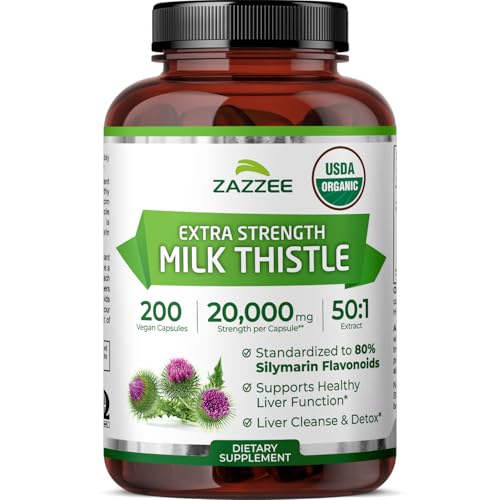
🛒 Where to Buy Milk Thistle (Silymarin)
- CleanseParasites Heavy Metal + Microplastics Binder Editor’s Pick
Contains milk thistle alongside spirulina, zeolite, and other binder herbs. - Thorne Siliphos (Silybin Phosphatidylcholine Complex)
capsules, 1 capsule (~120mg silybin-phosphatidylcholine complex) — Phospholipid complex form (silybin bound to phosphatidylcholine) for liver support - Jarrow Formulas Milk Thistle 150mg (Silymarin Standardized Extract)
capsules, 1 capsule (150mg, 80% silymarin) — Widely used, standard 80% silymarin extract at an accessible price - NOW Foods Silymarin Milk Thistle Extract 150mg
capsules, 1 capsule (150mg, 80% silymarin) — Made under NOW’s GMP Quality Assured program, budget-friendly staple brand with consistent standardization - Nature’s Way Milk Thistle Thisilyn Standardized Extract
capsules, 1 capsule (175mg, 80% silymarin) — Long-running standardized formula, one of the most established milk thistle brands in the US market
As an Amazon Associate we earn from qualifying purchases. Quality varies widely — always choose a product with a published third-party test (COA) before buying.
A Note on the Evidence
This article summarizes a limited set of clinical trials, most conducted in people with existing metabolic liver disease or diabetes, and findings may not generalize to healthy adults. This is educational information, not medical advice; talk to a physician before starting either supplement, especially if you take CYP450-metabolized medications or have liver disease or an Asteraceae allergy.

Frequently Asked Questions
Does curcumin actually reduce liver fat, or just inflammation?
Trials in people with type 2 diabetes and MASLD found curcumin reduced liver steatosis specifically, not just inflammatory markers [1], while a related RCT in the same population showed improved inflammation control [2]. Both outcomes were measured in people who already had metabolic liver disease.
Is milk thistle backed by the same level of RCT evidence as curcumin for liver fat?
Curcumin has more recent randomized trial data on liver fat specifically. Silymarin is not untested, though: it has been through randomized, double-blind, placebo-controlled trials with liver-biopsy endpoints in NASH, and both missed their primary histologic endpoint[11] [12]. Milk thistle’s case rests more on its antioxidant and membrane-stabilizing mechanism and long traditional use [5] [6].
Can I take milk thistle and turmeric together?
There is no well-designed trial testing the combination specifically, and both compounds interact with CYP450 liver enzymes that also metabolize many prescription drugs. Check with a physician before combining supplements, especially if you take statins, diabetes medications, or hormonal therapies.
Does the form of turmeric matter?
Yes. Trials showing liver benefits often used enhanced-absorption forms such as phytosomal curcumin [3] or fermented turmeric powder [4], rather than plain turmeric powder or unenhanced curcumin capsules.

Will either of these help if I don't have a diagnosed liver condition?
The trials cited here were conducted in specific groups, such as breast cancer patients about to start tamoxifen and postmenopausal women, rather than in healthy people [9] [10]. There is little trial evidence supporting use in healthy people for general prevention.
Are these supplements safe for everyone?
No. People with diagnosed liver disease, ragweed or Asteraceae allergies (relevant to milk thistle), or those on CYP450-metabolized medications should consult a physician first. Neither supplement is FDA-evaluated for safety or effectiveness.
References
- Yaikwawong M et al. Curcumin Attenuates Liver Steatosis via Antioxidant and Anti-Inflammatory Pathways in Obese Patients with Type 2 Diabetes Mellitus: A Randomized Controlled Trial. International journal of molecular sciences (2025). PMID 41096556
- Yaikwawong M et al. Curcumin for Inflammation Control in Individuals with Type 2 Diabetes Mellitus and Metabolic Dysfunction-Associated Steatotic Liver Disease: A Randomized Controlled Trial. Nutrients (2025). PMID 40573083
- Panahi Y et al. Efficacy and Safety of Phytosomal Curcumin in Non-Alcoholic Fatty Liver Disease: A Randomized Controlled Trial. Drug research (2017). PMID 28158893
- Kim SW et al. The effectiveness of fermented turmeric powder in subjects with elevated alanine transaminase levels: a randomised controlled study. BMC complementary and alternative medicine (2013). PMID 23497020
- Tian WW et al. Curcuma Longa (turmeric): from traditional applications to modern plant medicine research hotspots. Chinese medicine (2025). PMID 40437595
- Ayati Z et al. Ethnobotany, Phytochemistry and Traditional Uses of Curcuma spp. and Pharmacological Profile of Two Important Species (C. longa and C. zedoaria): A Review. Current pharmaceutical design (2019). PMID 30947655
- Bahari H et al. Effects of curcumin/turmeric supplementation on liver enzymes in subjects with prediabetes and diabetes: a systematic review and dose-response meta-analysis. Journal of diabetes and metabolic disorders (2026). PMID 41695557
- Ranneh Y et al. Polyphenol Intervention Ameliorates Non-Alcoholic Fatty Liver Disease: An Updated Comprehensive Systematic Review. Nutrients (2024). PMID 39683546
- Hemati S et al. Curcumin Supplementation as a Preventive Strategy Against Tamoxifen-Induced Nonalcoholic Fatty Liver Disease in ER+ Breast Cancer Patients: A Triple-Blind Randomized Placebo-Controlled Trial. Journal of dietary supplements (2025). PMID 39948699
- Yousefi-Nodeh H et al. Curcumin and vitamin E improve hot flashes, lipid profile, and fasting blood glucose without any detrimental effect on the liver and renal function in postmenopausal women: A triple-blind placebo-controlled clinical trial. Health care for women international (2024). PMID 36053717
- Wah Kheong C et al. A Randomized Trial of Silymarin for the Treatment of Nonalcoholic Steatohepatitis. Clinical gastroenterology and hepatology (2017). PMID 28419855
- Navarro VJ et al. Silymarin in non-cirrhotics with non-alcoholic steatohepatitis: A randomized, double-blind, placebo controlled trial. PloS one (2019). PMID 31536511
These statements have not been evaluated by the Food and Drug Administration. This information is not intended to diagnose, treat, cure, or prevent any disease. Content is for informational purposes only and is not medical advice; consult a qualified healthcare provider before starting any supplement. As an Amazon Associate we earn from qualifying purchases.