Milk thistle (Silybum marianum) is one of the most widely used herbal supplements among people with chronic liver conditions, and hepatitis C is no exception. Long before direct-acting antivirals transformed hepatitis C treatment, many patients turned to silymarin, the standardized flavonolignan extract from milk thistle seeds, hoping it might protect the liver, ease symptoms, or improve outcomes when interferon-based therapy failed or wasn’t tolerated.
The good news is that milk thistle has actually been studied in randomized controlled trials in hepatitis C patients, not just anecdotally. The findings are more nuanced than either supplement marketing or reflexive skepticism suggests. This article walks through what the trials measured, what silymarin did and did not change, and where the evidence remains thin.
Key Takeaways
- Standard oral silymarin has not consistently reduced liver enzymes or HCV viral load in the larger randomized trials [1] [2].
- Cochrane systematic reviews have twice concluded the evidence for herbal medicines, including milk thistle, in hepatitis C is insufficient to confirm benefit [3] [4].
- More promising results come from specialized contexts: silybin-phospholipid-vitamin E complexes for fibrosis [5], high-dose silymarin in decompensated disease [6], and IV silibinin around liver transplant [7] — none of which are the same as a standard supplement capsule.
- Milk thistle appears generally well tolerated in these trials, with low reported adverse events [2].
- Milk thistle should not be used as a substitute for antiviral treatment or as a way to avoid medical follow-up for hepatitis C.
How silymarin is thought to act on the liver
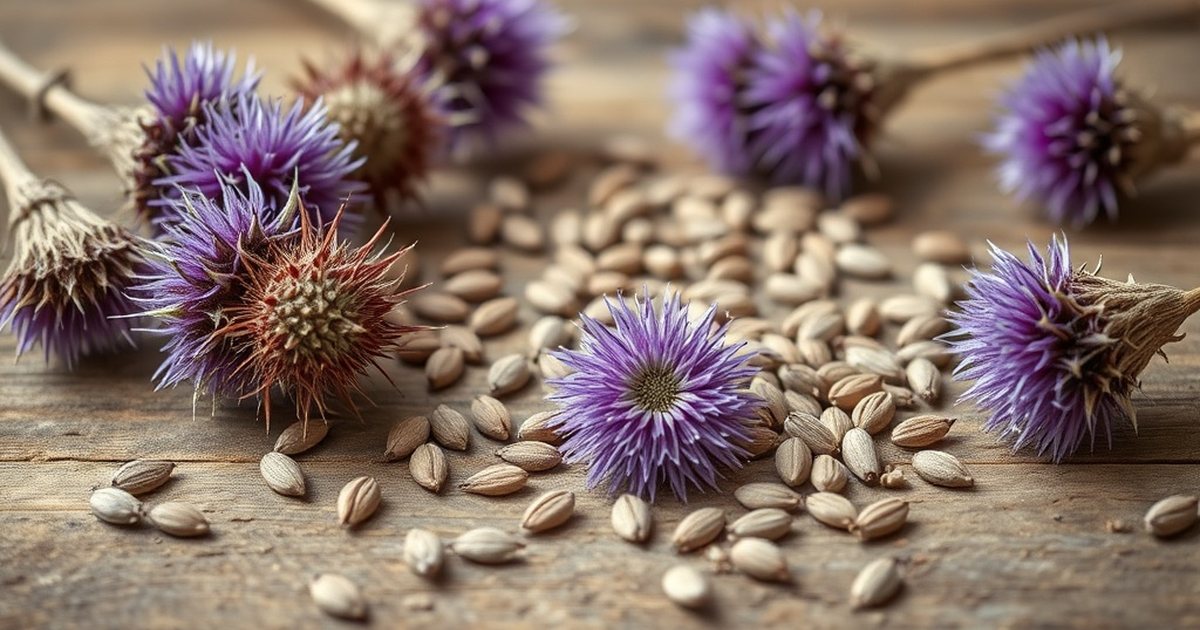
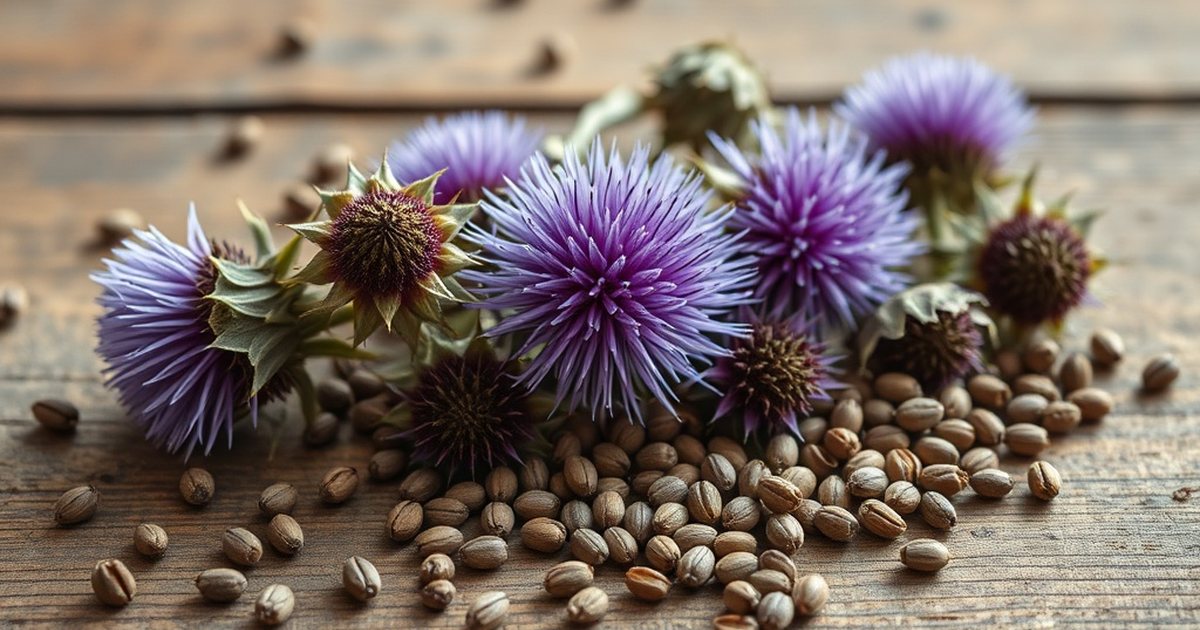
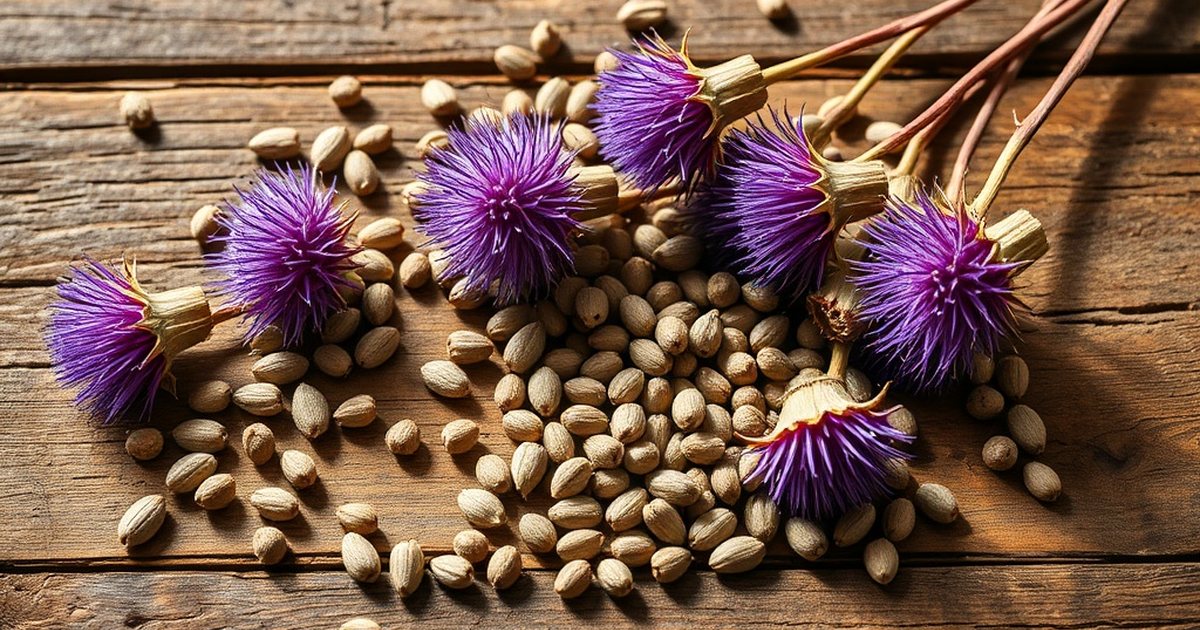
Silymarin is a mixture of flavonolignans, primarily silybin (also called silibinin), extracted from milk thistle seeds. Proposed mechanisms include antioxidant activity that scavenges free radicals generated during hepatocyte injury, stabilization of hepatocyte cell membranes that may reduce toxin entry, and mild anti-inflammatory effects. None of these mechanisms amount to an antiviral action against hepatitis C virus (HCV) itself in the way that direct-acting antivirals work; the interest in HCV has mostly centered on whether silymarin can support the liver during ongoing viral injury or during antiviral treatment, rather than clearing the virus on its own.
Absorption and metabolism of silymarin also appear to differ depending on the underlying liver condition. One pharmacokinetic study found differences in how silymarin is processed in patients with nonalcoholic fatty liver disease compared to those with chronic hepatitis C, a reminder that dosing and effects seen in one liver condition don’t necessarily generalize to another [8].

What the randomized controlled trials found
A meta-analysis pooling randomized controlled trials of silymarin in chronic HCV patients found that, overall, oral silymarin did not produce a consistent, clinically meaningful improvement in liver enzyme levels or viral load compared to placebo, though the supplement was generally well tolerated with a low rate of adverse events [2].
A notable individual trial was a double-blind, placebo-controlled study conducted in an Egyptian village with a high prevalence of chronic hepatitis C, following patients for 12 months. This trial was designed specifically to test whether silymarin could improve liver enzymes and clinical status in a real-world, high-prevalence population, and its detailed 12-month results have informed how researchers think about silymarin’s role outside a specialty clinic setting [9].
One of the more rigorous and frequently cited trials was a large randomized controlled study published in JAMA, which tested silymarin in patients with chronic hepatitis C who had already failed interferon-based therapy. The trial found that oral silymarin, even at higher doses than typically used in over-the-counter supplements, did not significantly reduce liver enzyme levels (specifically serum ALT) compared to placebo in this difficult-to-treat population [1].

Systematic reviews: the Cochrane perspective
Independent of individual trials, the Cochrane Collaboration has twice reviewed herbal medicines, including milk thistle, for hepatitis C. The original 2001 Cochrane review concluded that there was insufficient evidence to support or refute the use of herbal medicines, including milk thistle, for hepatitis C, largely because trial quality and size were limited [3].
A follow-up systematic review published in The American Journal of Gastroenterology reached a similarly cautious conclusion: existing randomized trials of herbal medicines for HCV, including silymarin, did not provide convincing evidence of benefit for key outcomes like viral clearance or histological improvement, while also noting that trial methodology varied widely and many studies carried a meaningful risk of bias [4].
A broader review of herbal medicines for liver disease in general echoed this pattern: encouraging laboratory and animal data for silymarin have not consistently translated into strong, reproducible clinical benefit in human liver disease trials, hepatitis C included [10].
Silymarin in special situations: decompensated disease, transplant, and combination therapy
Some trials have looked at silymarin outside the standard chronic hepatitis C population. A randomized controlled trial testing high-dose silymarin in patients with decompensated liver disease evaluated whether more aggressive dosing could produce benefits not seen at typical doses, an important question given that decompensated cirrhosis carries much higher stakes than milder chronic hepatitis [6].

In patients undergoing treatment with pegylated interferon and ribavirin, a specific formulation combining silybin with vitamin E and phospholipids (designed to improve absorption) was studied for its effect on liver fibrosis. This trial reported a reduction in fibrosis markers in patients treated with the combination compared to standard care alone, suggesting that formulation and delivery may matter as much as the raw silymarin dose [5].
Silibinin has also been studied in the specific and high-stakes context of liver transplantation for hepatitis C. In one case, intravenous-route silibinin monotherapy was used successfully to prevent HCV reinfection of a liver graft after transplant, a very different clinical scenario from oral supplement use in the general chronic hepatitis C population [7]. A separate case report described combination therapy with silibinin, pegylated interferon, and ribavirin in a patient with HCV genotype 3 reinfection after liver transplant [11]. Both of these are individual case reports, not randomized trials, and should be read as documenting specific clinical scenarios rather than establishing general efficacy.
Milk thistle has also been discussed as an option for chronic hepatitis C patients who have contraindications to standard antiviral therapy, where clinicians must weigh limited alternatives against uncertain benefit [12].
How to interpret the overall body of evidence
Taken together, the trial evidence paints a consistent picture: oral silymarin at standard doses has not reliably reduced liver enzymes or viral load in chronic hepatitis C in the larger, better-designed randomized trials [1] [2], and systematic reviews have repeatedly flagged the underlying evidence base as too limited or heterogeneous to draw firm conclusions [3] [4] [10]. Where more encouraging signals exist, they tend to involve specialized formulations (silybin-phospholipid complexes) [5], higher or intravenous dosing in specific populations [6] [7], or single case reports [11], none of which are equivalent to standard over-the-counter milk thistle capsules used by the general public.
This distinction matters. It’s easy to see a headline like ‘silymarin reduces fibrosis’ or ‘silibinin prevents reinfection’ and assume it applies to any milk thistle supplement taken at any dose. The actual trials show that context, formulation, and patient population change the picture considerably.
🛒 Where to Buy Milk Thistle (Silymarin)
- CleanseParasites Heavy Metal + Microplastics Binder Editor’s Pick
Contains milk thistle alongside spirulina, zeolite, and other binder herbs. - Thorne Siliphos (Silybin Phosphatidylcholine Complex)
capsules, 1 capsule (~120mg silybin-phosphatidylcholine complex) — Phospholipid complex form (silybin bound to phosphatidylcholine) for liver support - Jarrow Formulas Milk Thistle 150mg (Silymarin Standardized Extract)
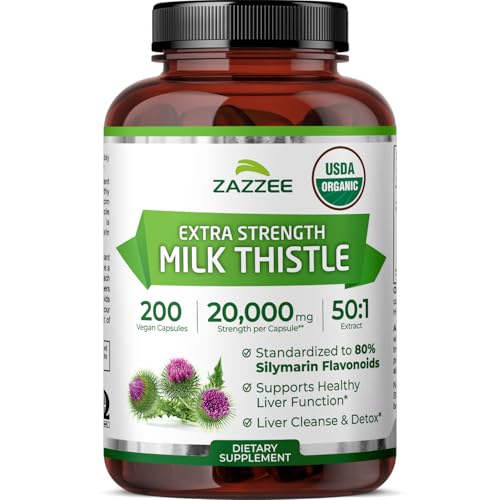
capsules, 1 capsule (150mg, 80% silymarin) — Widely used, standard 80% silymarin extract at an accessible price - NOW Foods Silymarin Milk Thistle Extract 150mg
capsules, 1 capsule (150mg, 80% silymarin) — Made under NOW’s GMP Quality Assured program, budget-friendly staple brand with consistent standardization - Nature’s Way Milk Thistle Thisilyn Standardized Extract
capsules, 1 capsule (175mg, 80% silymarin) — Long-running standardized formula, one of the most established milk thistle brands in the US market
As an Amazon Associate we earn from qualifying purchases. Quality varies widely — always choose a product with a published third-party test (COA) before buying.
A Note on the Evidence
This article is informational, not medical advice; milk thistle/silymarin supplements are not FDA-evaluated for safety or effectiveness and are not intended to diagnose, treat, cure, or prevent hepatitis C or any disease. Anyone with chronic hepatitis C should stay under physician care and discuss any supplement use, given potential CYP450 drug interactions and the limited, mixed clinical trial evidence described above.

Frequently Asked Questions
Does milk thistle cure hepatitis C or clear the virus?
No. The randomized trials reviewed here do not show that oral silymarin reliably reduces HCV viral load, and it is not a substitute for antiviral therapy [1] [2].
Can milk thistle lower liver enzymes in hepatitis C patients?
In the largest and most rigorous trial to date, in patients who had failed interferon therapy, oral silymarin did not significantly lower ALT compared to placebo, even at higher-than-typical doses [1].
Is there any trial showing a real benefit for milk thistle in hepatitis C?
A study of a silybin-vitamin E-phospholipid complex found reduced liver fibrosis markers in patients on pegylated interferon and ribavirin [5], and IV silibinin has been used successfully to prevent HCV reinfection after liver transplant [7]. These involve specific formulations, dosing routes, or populations, not standard oral supplements.

What do systematic reviews conclude about milk thistle for liver disease generally?
Cochrane reviews and other systematic reviews describe the evidence for herbal medicines, including milk thistle, in hepatitis C and liver disease as limited by small trial size and inconsistent methodology, not sufficient to confirm meaningful clinical benefit [3] [4] [10].
Is milk thistle safe to take alongside hepatitis C medications?
Silymarin can interact with drugs metabolized by CYP450 enzymes, which includes some medications used in liver disease management. Anyone on hepatitis C treatment or other prescription medication should discuss milk thistle use with their physician before starting it.
Who should avoid milk thistle or be extra cautious?
People with diagnosed liver disease, those on CYP450-metabolized medications (including some statins, diabetes drugs, and hormonal therapies), and those with ragweed or other Asteraceae plant allergies should consult a physician before use.
References
- Fried MW et al. Effect of silymarin (milk thistle) on liver disease in patients with chronic hepatitis C unsuccessfully treated with interferon therapy: a randomized controlled trial. JAMA (2012). PMID 22797645
- Yang Z et al. Effects and tolerance of silymarin (milk thistle) in chronic hepatitis C virus infection patients: a meta-analysis of randomized controlled trials. BioMed research international (2014). PMID 25247194
- Liu JP et al. Medicinal herbs for hepatitis C virus infection. The Cochrane database of systematic reviews (2001). PMID 11687177
- Liu J et al. Medicinal herbs for hepatitis C virus infection: a Cochrane hepatobiliary systematic review of randomized trials. The American journal of gastroenterology (2003). PMID 12650784
- Malaguarnera M et al. Silybin-vitamin E-phospholipids complex reduces liver fibrosis in patients with chronic hepatitis C treated with pegylated interferon α and ribavirin. American journal of translational research (2015). PMID 26807195
- Fathalah WF et al. High Dose of Silymarin in Patients with Decompensated Liver Disease: A Randomized Controlled Trial. Journal of interferon & cytokine research : the official journal of the International Society for Interferon and Cytokine Research (2017). PMID 29135373
- Neumann UP et al. Successful prevention of hepatitis C virus (HCV) liver graft reinfection by silibinin mono-therapy. Journal of hepatology (2010). PMID 20413176
- Schrieber SJ et al. Differences in the disposition of silymarin between patients with nonalcoholic fatty liver disease and chronic hepatitis C. Drug metabolism and disposition: the biological fate of chemicals (2011). PMID 21865319
- Tanamly MD et al. Randomised double-blinded trial evaluating silymarin for chronic hepatitis C in an Egyptian village: study description and 12-month results. Digestive and liver disease : official journal of the Italian Society of Gastroenterology and the Italian Association for the Study of the Liver (2004). PMID 15571006
- Dhiman RK et al. Herbal medicines for liver diseases. Digestive diseases and sciences (2005). PMID 16187178
- Knapstein J et al. Combination therapy with silibinin, pegylated interferon and ribavirin in a patient with hepatitis C virus genotype 3 reinfection after liver transplantation: a case report. Journal of medical case reports (2014). PMID 25047566
- Carreño V et al. Review article: management of chronic hepatitis C in patients with contraindications to anti-viral therapy. Alimentary pharmacology & therapeutics (2014). PMID 24279580
These statements have not been evaluated by the Food and Drug Administration. This information is not intended to diagnose, treat, cure, or prevent any disease. Content is for informational purposes only and is not medical advice; consult a qualified healthcare provider before starting any supplement. As an Amazon Associate we earn from qualifying purchases.