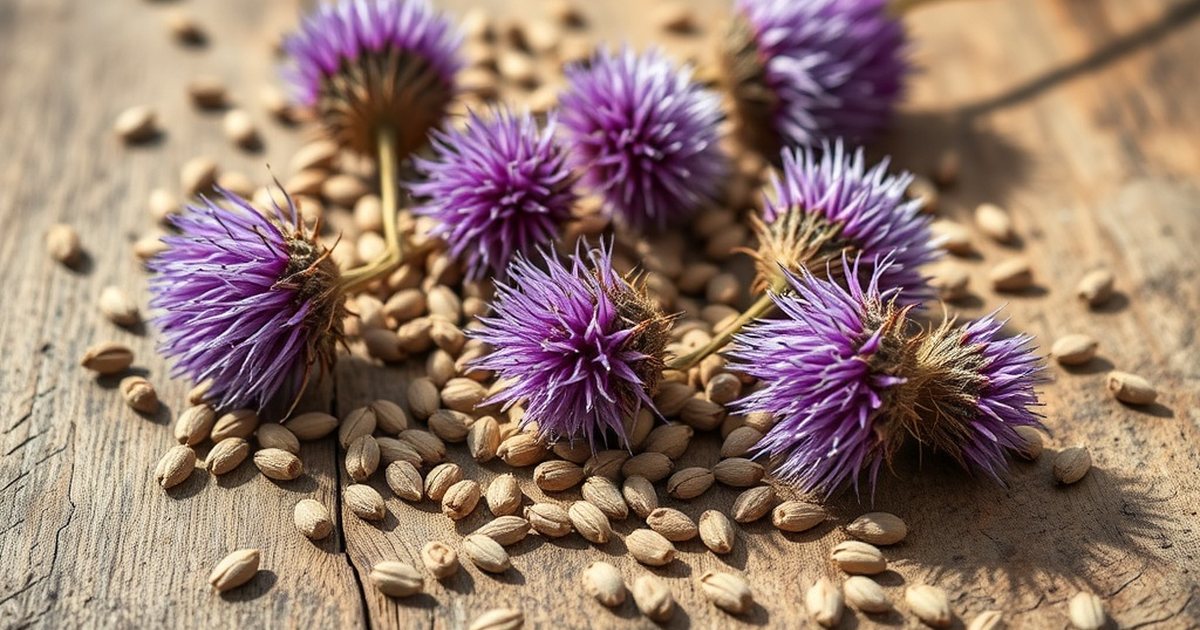
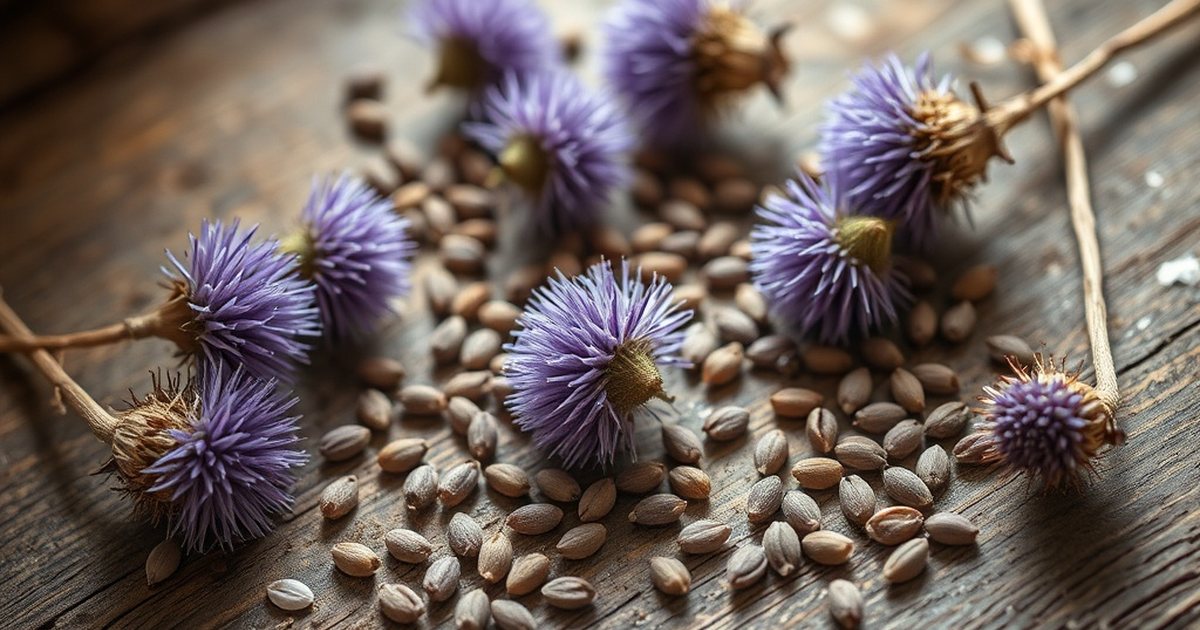
Milk thistle (Silybum marianum) seed extract, standardized to the flavonolignan complex silymarin, is widely used for liver support. Its proposed mechanisms include antioxidant activity, hepatocyte membrane stabilization, and mild anti-inflammatory effects. However, safety data for pregnancy, breastfeeding, and children remain limited.
This review summarizes the available clinical evidence for these populations, highlights where data are absent, and emphasizes the importance of medical supervision given potential drug interactions and the lack of FDA evaluation for safety or effectiveness.
Key Takeaways
- No controlled human safety data exist for milk thistle use during pregnancy; avoidance is standard precautionary advice.
- Evidence for milk thistle as a galactagogue is very low certainty; no infant safety data are available [1].
- Pediatric safety data are limited to one small RCT in children with ALL receiving chemotherapy [2]; results do not generalize to healthy children.
- Silymarin modulates CYP450 enzymes and transporters, creating significant interaction risks with medications commonly used in pregnancy, lactation, and pediatrics [3].
- Individuals with Asteraceae/ragweed allergies, diagnosed liver disease, or those taking CYP450-metabolized drugs should consult a physician before any use.
Pregnancy: No Controlled Human Safety Data
There are no randomized controlled trials or prospective cohort studies evaluating milk thistle or silymarin use during human pregnancy. Animal reproductive toxicity data are not summarized here. Because silymarin constituents can modulate cytochrome P450 enzymes and phase II conjugation pathways, theoretical concerns exist regarding altered metabolism of endogenous hormones or concomitant medications during pregnancy.
Given the absence of human safety data, most clinical guidelines and regulatory bodies classify milk thistle as a supplement to avoid during pregnancy unless specifically recommended and monitored by a qualified healthcare provider. The precautionary principle applies: without evidence of safety, exposure should be minimized.
Breastfeeding and Galactagogue Use
Milk thistle is traditionally used as a galactagogue. A 2020 Cochrane systematic review evaluated oral galactagogues (including milk thistle) for increasing breast milk production in mothers of non-hospitalized term infants. The review found very low-certainty evidence on milk thistle’s effect on milk volume and no data on infant outcomes or adverse effects [1].

The review concluded that there is insufficient evidence to determine whether milk thistle effectively increases milk production or is safe for the breastfeeding infant. Silymarin flavonolignans have been detected in human breast milk after maternal supplementation in small pharmacokinetic studies not cited here, but clinical significance for the infant is unknown.
Pediatric Use: Limited Data from Childhood Leukemia
The most rigorous pediatric safety data come from a randomized, double-blind, pilot study in children with acute lymphoblastic leukemia (ALL) experiencing chemotherapy-induced hepatotoxicity. In this trial, milk thistle (silymarin) was administered for 56 days alongside chemotherapy. The study reported that silymarin was well tolerated, with no significant difference in adverse events compared to placebo, and showed a trend toward reduced liver enzyme elevations [2].
Importantly, this study was conducted under strict oncologic supervision in a specific clinical context (chemotherapy hepatotoxicity). The dosing, duration, and monitoring do not translate to general pediatric use for liver support or other indications. No long-term safety data exist for children.
Mechanistic Context and Oncology Safety Signals
A 2007 review of Silybum marianum in oncology noted that silymarin exhibits antioxidant, anti-inflammatory, and membrane-stabilizing properties in preclinical models. The review highlighted that silymarin can inhibit and induce various CYP450 isoforms and UGT enzymes, creating potential for herb-drug interactions with chemotherapeutic agents and other medications [3].
While this review focused on adult oncology, the pharmacokinetic interaction profile is relevant to pregnant or breastfeeding individuals taking medications (e.g., antiretrovirals, anticonvulsants, hormonal therapies) and to children on polypharmacy regimens. The rat study showing silibinin protection against diazinon-induced hepatotoxicity [4] provides mechanistic support for antioxidant effects but does not inform human developmental safety.

Drug Interaction Risks in Vulnerable Populations
Silymarin components inhibit CYP3A4, CYP2C9, CYP2C19, and other enzymes in vitro and in vivo, and may induce CYP3A4 with chronic use. It also inhibits UGT1A1 and transporters like P-glycoprotein. In pregnancy, altered CYP3A4 activity affects progesterone and estrogen metabolism; in breastfeeding, it may alter drug transfer into milk; in children, it can affect dosing of antibiotics, anticonvulsants, and chemotherapy.
Because supplements are not standardized for interaction potential and batch variability exists, any use in these populations requires physician oversight to review the full medication list. The FDA does not evaluate supplements for safety, effectiveness, or interaction potential before marketing.
Critical Evidence Gaps and Research Needs
Key gaps include: no human pregnancy exposure registries; no lactation studies measuring infant serum levels or developmental outcomes; no dose-finding or long-term safety studies in children outside oncology; and no data on silymarin’s effects on placental transfer or fetal enzyme development. The Cochrane review explicitly called for high-quality RCTs on galactagogues including safety outcomes [1].
Until such data exist, milk thistle cannot be recommended as safe for routine use in pregnancy, lactation, or general pediatric populations. Clinical decisions must weigh theoretical benefit against unknown risk, ideally within a shared decision-making framework with a healthcare professional familiar with the patient’s full medical context.

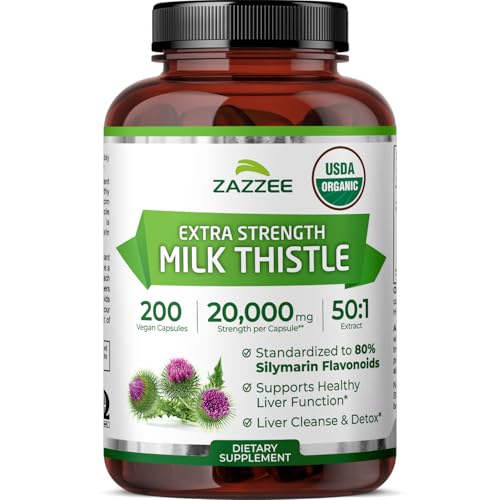
🛒 Where to Buy Milk Thistle (Silymarin)
- CleanseParasites Heavy Metal + Microplastics Binder Editor’s Pick
Contains milk thistle alongside spirulina, zeolite, and other binder herbs. - Thorne Siliphos (Silybin Phosphatidylcholine Complex)Lab-tested / studied
capsules, 1 capsule (~120mg silybin-phosphatidylcholine complex) — Clinically-studied phospholipid complex form used in bioavailability research; NSF Certified for Sport option - Jarrow Formulas Milk Thistle 150mg (Silymarin Standardized Extract)
capsules, 1 capsule (150mg, 80% silymarin) — Widely used, third-party tested, standard 80% silymarin extract at an accessible price - NOW Foods Silymarin Milk Thistle Extract 150mg
capsules, 1 capsule (150mg, 80% silymarin) — GMP-certified, budget-friendly staple brand with consistent standardization - Nature’s Way Milk Thistle Thisilyn Standardized Extract
capsules, 1 capsule (175mg, 80% silymarin) — Long-running standardized formula, one of the most established milk thistle brands in the US market
As an Amazon Associate we earn from qualifying purchases. Quality varies widely — always choose a product with a published third-party test (COA) before buying.
A Note on the Evidence
Evidence for milk thistle safety in pregnancy, lactation, and pediatrics is extremely limited. Silymarin interacts with drug-metabolizing enzymes critical in these populations. This information is educational, not medical advice. Always consult a qualified healthcare provider before using any supplement in these contexts.
Frequently Asked Questions
Is milk thistle safe to take while pregnant?
There are no human studies establishing safety of milk thistle during pregnancy. Due to lack of data and known effects on drug-metabolizing enzymes, most clinicians advise against use unless specifically prescribed and monitored.
Can milk thistle increase breast milk supply?
A 2020 Cochrane review found very low-certainty evidence on milk thistle’s effect on milk volume and no data on infant safety [1]. It cannot be recommended as an evidence-based galactagogue.
Has milk thistle been studied in children?
One randomized pilot study evaluated silymarin for chemotherapy-induced hepatotoxicity in children with acute lymphoblastic leukemia and found it well tolerated over 56 days [2]. This does not support general use in children.
Does milk thistle interact with medications?
Yes. Silymarin inhibits and induces multiple CYP450 enzymes (including CYP3A4, CYP2C9) and transporters like P-glycoprotein, potentially altering levels of statins, diabetes drugs, hormonal therapies, anticonvulsants, and chemotherapeutics [3].
Who should avoid milk thistle?
Pregnant or breastfeeding individuals, children (outside medical supervision), people with Asteraceae/ragweed allergies, those with diagnosed liver disease, and anyone taking CYP450-metabolized medications should consult a physician before use.
Is milk thistle FDA-approved for liver disease?
No. Milk thistle supplements are not FDA-evaluated for safety or effectiveness and are not intended to diagnose, treat, cure, or prevent any disease.
References
- Foong SC et al. Oral galactagogues (natural therapies or drugs) for increasing breast milk production in mothers of non-hospitalised term infants. The Cochrane database of systematic reviews (2020). PMID 32421208
- Ladas EJ et al. A randomized, controlled, double-blind, pilot study of milk thistle for the treatment of hepatotoxicity in childhood acute lymphoblastic leukemia (ALL). Cancer (2010). PMID 20014183
- Greenlee H et al. Clinical applications of Silybum marianum in oncology. Integrative cancer therapies (2007). PMID 17548794
- Beydilli H et al. Evaluation of the protective effect of silibinin against diazinon induced hepatotoxicity and free-radical damage in rat liver. Iranian Red Crescent medical journal (2015). PMID 26023342
These statements have not been evaluated by the Food and Drug Administration. This information is not intended to diagnose, treat, cure, or prevent any disease. Content is for informational purposes only and is not medical advice; consult a qualified healthcare provider before starting any supplement. As an Amazon Associate we earn from qualifying purchases.