Milk thistle (Silybum marianum) seed extract, standardized to the flavonolignan complex silymarin, is widely used to support liver health. The main active constituents — silybin A and B (silibinin), isosilybin, silychristin, and silydianin — are poorly soluble in water, which influences how well different supplement forms deliver these compounds.
This article reviews the common supplement forms — capsules, liquid extracts, powders, and teas — and explains how formulation affects silymarin content, bioavailability, and practical considerations for consumers.
Key Takeaways
- Standardized dry extracts (capsules/tablets) provide the most consistent, research-aligned silymarin dosing.
- Phytosome-complexed silybin formulations show higher plasma levels than uncomplexed extract in comparative studies.
- Liquid extracts allow flexible dosing but often lack standardization; verify silymarin content per mL.
- Whole seed powder and tea deliver minimal silymarin due to poor water solubility of flavonolignans.
- Third-party testing for potency and purity is essential across all supplement forms.
Why Supplement Form Matters for Silymarin Delivery
Silymarin’s flavonolignans have low water solubility and limited oral bioavailability in their native state. This physicochemical property means that simply consuming ground milk thistle seeds or a water-based tea may provide only minimal amounts of the active constituents. Standardized extracts concentrate silymarin (typically 70–80% by weight) and are the basis for most clinical research.
The delivery format — whether a capsule containing a dry extract, a liquid tincture, a loose powder, or a tea bag — determines the dose of silymarin you actually receive, how consistently it is delivered, and whether excipients or preparation methods affect stability.
Capsules and Tablets: Standardized Dry Extracts
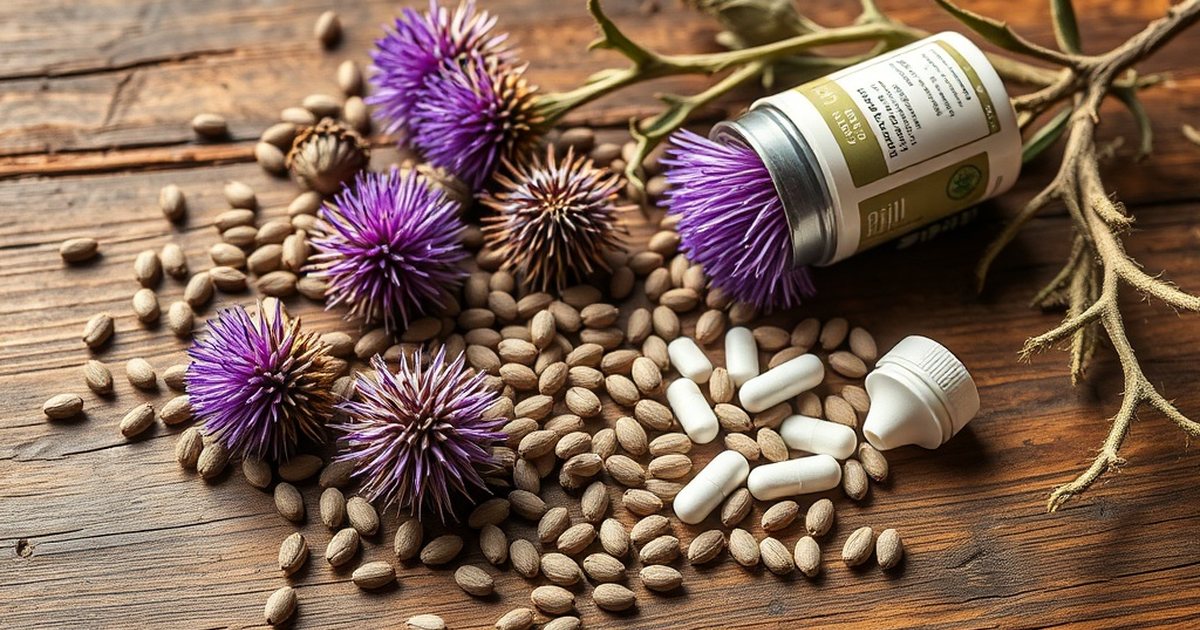
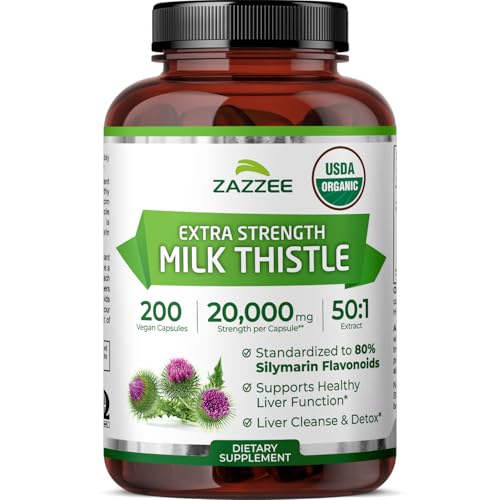
Capsules and tablets are the most common and researched form. They typically contain a dry, standardized extract (often 70–80% silymarin) with a defined amount per unit — for example, 150–250 mg of extract yielding 100–200 mg of silymarin per capsule. This allows precise dosing consistent with amounts used in clinical studies.

Enteric-coated or phytosome-complexed versions (silybin complexed with phospholipids) have been developed to improve intestinal absorption. These formulations aim to increase plasma silybin levels compared to uncomplexed dry extract. Capsules also offer convenience, shelf stability, and taste masking.
Liquid Extracts and Tinctures
Liquid extracts (tinctures, glycerites, or alcohol-free extracts) are made by percolating milk thistle seed with ethanol, water, or glycerin. Alcohol-based tinctures can extract both polar and non-polar constituents, but the final silymarin concentration varies widely by manufacturer and extraction ratio (e.g., 1:4, 1:5 herb-to-solvent).
Liquids allow flexible dosing and may be absorbed slightly faster due to pre-dissolved constituents. However, they require accurate measuring (droppers or calibrated cups), have shorter shelf life once opened, and alcohol content may be unsuitable for some users. Standardization to silymarin content is less common than with dry extracts.
Powders: Whole Seed vs. Standardized Extract
Powders fall into two categories: whole ground seed and standardized extract powder. Whole seed powder contains the full matrix — fiber, oils, proteins, and only 1–3% silymarin by weight — so very large doses (10–20 g) would be needed to approach clinical silymarin amounts. It is typically used as a food ingredient rather than a therapeutic supplement.
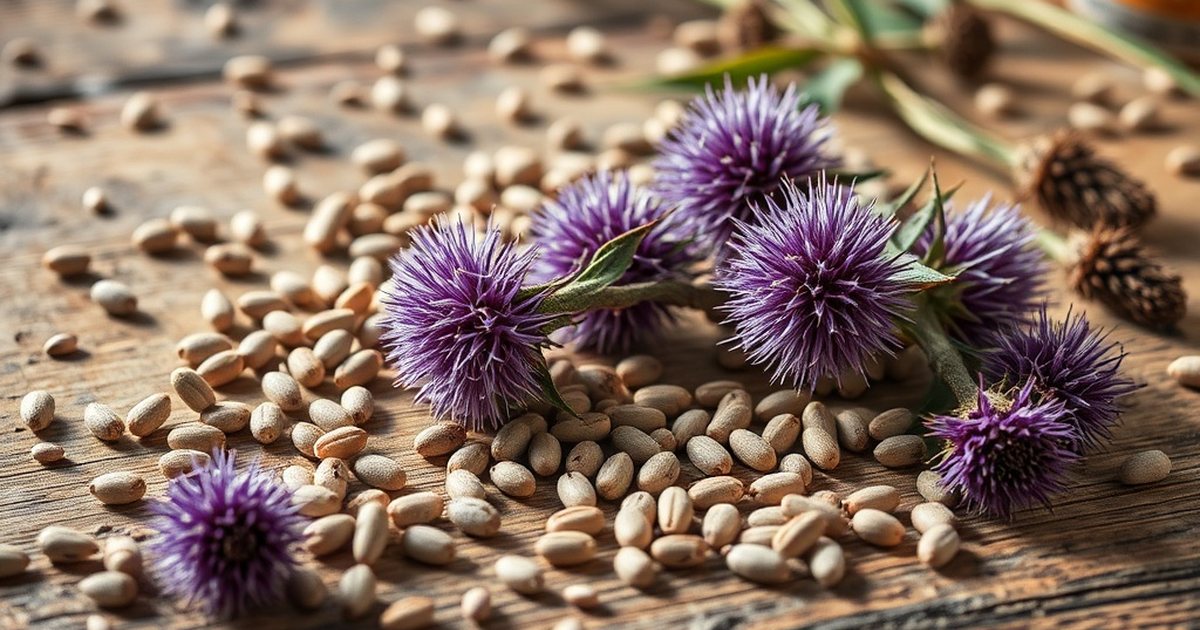
Standardized extract powders are the same dry extract used in capsules, sold loose. They allow custom dosing and can be mixed into smoothies or yogurt. However, they are hygroscopic, can clump, and expose the extract to air and moisture each time the container is opened, potentially accelerating oxidation of the flavonolignans.

Tea and Water-Based Infusions
Milk thistle tea is made by steeping crushed seeds or seed powder in hot water. Because silymarin flavonolignans are poorly water-soluble, teas deliver only trace amounts — typically well under 10 mg of silymarin per cup, even with prolonged steeping. The primary constituents extracted are water-soluble compounds such as sugars, some phenolics, and minerals.
Tea may provide mild digestive support and a traditional herbal experience, but it cannot reliably deliver the silymarin doses associated with liver-support research. Products labeled ‘milk thistle tea’ that list silymarin content usually contain added standardized extract, not just infused seed.
Bioavailability Considerations Across Forms
Silybin, the major active flavonolignan, undergoes extensive phase II conjugation (glucuronidation, sulfation) and biliary excretion, resulting in low systemic free silybin levels regardless of form. Strategies to improve bioavailability — phytosome (phospholipid complex), micronization, lipid-based nanoparticles, and cyclodextrin inclusion complexes — have been explored primarily in capsule/tablet formats.
Liquid extracts do not inherently solve the solubility-permeability limitation; the flavonolignans must still cross intestinal membranes. Powders and teas face the same fundamental bioavailability constraints, compounded by lower and more variable silymarin content. Consistent dosing with a standardized extract remains the most evidence-aligned approach.
Practical Selection Factors
Choose a form that matches your dosing goals, lifestyle, and any sensitivities. For targeted silymarin intake aligned with research doses (typically 200–600 mg silymarin daily, divided), standardized capsules or tablets — especially phytosome formulations — offer the most reliable delivery. Liquids suit those who cannot swallow pills or need flexible titration, provided the product discloses silymarin concentration per mL.
Powders are cost-effective for high-dose regimens but require careful storage and measuring. Teas are best viewed as a complementary beverage, not a primary silymarin source. Always verify third-party testing for identity, potency, and contaminants (heavy metals, pesticides, microbial limits) regardless of form.

🛒 Where to Buy Milk Thistle (Silymarin)
- CleanseParasites Heavy Metal + Microplastics Binder Editor’s Pick
Contains milk thistle alongside spirulina, zeolite, and other binder herbs. - Thorne Siliphos (Silybin Phosphatidylcholine Complex)Lab-tested / studied
capsules, 1 capsule (~120mg silybin-phosphatidylcholine complex) — Clinically-studied phospholipid complex form used in bioavailability research; NSF Certified for Sport option - Jarrow Formulas Milk Thistle 150mg (Silymarin Standardized Extract)
capsules, 1 capsule (150mg, 80% silymarin) — Widely used, third-party tested, standard 80% silymarin extract at an accessible price - NOW Foods Silymarin Milk Thistle Extract 150mg
capsules, 1 capsule (150mg, 80% silymarin) — GMP-certified, budget-friendly staple brand with consistent standardization - Nature’s Way Milk Thistle Thisilyn Standardized Extract
capsules, 1 capsule (175mg, 80% silymarin) — Long-running standardized formula, one of the most established milk thistle brands in the US market
As an Amazon Associate we earn from qualifying purchases. Quality varies widely — always choose a product with a published third-party test (COA) before buying.
A Note on the Evidence
Milk thistle supplements are not FDA-evaluated for safety or effectiveness and are not intended to diagnose, treat, cure, or prevent any disease. Silymarin can interact with CYP450-metabolized medications (including some statins, diabetes drugs, and hormonal therapies). Those with ragweed/Asteraceae allergies or diagnosed liver disease should consult a physician before use. This information is educational, not medical advice.
Frequently Asked Questions
Does milk thistle tea provide the same benefits as capsules?
No. Silymarin flavonolignans are poorly water-soluble, so tea infusions yield only trace amounts — typically under 10 mg per cup — far below the 200–600 mg daily doses used in clinical research.
Are liquid extracts better absorbed than capsules?
Not necessarily. While liquids pre-dissolve the extract, the fundamental bioavailability limitation (low solubility, extensive conjugation) remains. Phytosome-complexed capsules have demonstrated higher plasma silybin levels than uncomplexed forms in comparative pharmacokinetic studies.
Can I just eat ground milk thistle seeds?
Whole seeds contain only 1–3% silymarin by weight. To reach a 200 mg silymarin dose, you would need roughly 10–20 g of ground seed daily, which is impractical and delivers variable amounts.
What should I look for on a milk thistle supplement label?
Look for a standardized extract (typically 70–80% silymarin) with the silymarin amount listed per serving (e.g., ‘175 mg silymarin per capsule’), third-party testing seals, and clear expiration dates.
Is the phytosome form worth the extra cost?
Silybin-phytosome complexes have shown 2–5 fold higher plasma silybin exposure compared to standardized uncomplexed extract in human pharmacokinetic studies, which may translate to greater hepatic delivery at equivalent doses.
How should I store milk thistle supplements?
Keep all forms in a cool, dry place, tightly sealed. Powders and liquids are especially susceptible to moisture and oxidation; refrigeration after opening can extend shelf life for liquids.
These statements have not been evaluated by the Food and Drug Administration. This information is not intended to diagnose, treat, cure, or prevent any disease. Content is for informational purposes only and is not medical advice; consult a qualified healthcare provider before starting any supplement. As an Amazon Associate we earn from qualifying purchases.