Milk thistle (Silybum marianum) and tauroursodeoxycholic acid (TUDCA) are two widely discussed supplements for liver health, yet they operate through fundamentally different mechanisms. Milk thistle seed extract provides silymarin, a flavonolignan complex dominated by silybin. Older summaries describe silybin as acting primarily as an antioxidant, but a 2022 review of flavonolignan chemistry concludes that these compounds do not act as antioxidants in vivo: they behave as specific ligands of biological targets, and the free-radical activity is largely a test-tube finding[1]. TUDCA is a conjugated bile acid that supports bile flow, reduces endoplasmic reticulum stress, and modulates apoptotic pathways in liver cells.
This article outlines the distinct biochemical pathways, typical use cases, and current evidence landscape for each compound. Neither supplement is FDA-approved to diagnose, treat, cure, or prevent any disease, and both can interact with medications or pose risks for certain individuals. Always consult a qualified healthcare provider before starting either supplement, especially if you have diagnosed liver disease, take prescription drugs, or have allergies to plants in the Asteraceae family.
Key Takeaways
- Milk thistle (silymarin) and TUDCA act via distinct mechanisms: flavonolignans act as specific ligands of biological targets rather than as in vivo antioxidants[1], while TUDCA behaves as a chemical chaperone that eases ER stress and supports bile flow[5].
- Bioavailability differs markedly: silybin has very low oral absorption unless formulated for enhancement; TUDCA is efficiently absorbed via bile acid transporters.
- Clinical evidence for both is mixed and often limited by small trials, heterogeneous populations, and variable product standardization.
- Both carry interaction potential, of different kinds: silymarin inhibits P450 enzymes only at concentrations well above those reached after an oral dose, so the practical caution is reserved for narrow-therapeutic-window drugs[7][8]; TUDCA may alter fat-soluble nutrient/drug absorption.
- Neither is FDA-approved for liver disease treatment; diagnosed conditions require medical management, and supplements should only be used under professional guidance.
Mechanistic Differences: Flavonoid Complex vs Bile Acid
Silymarin from milk thistle is a mixture of flavonolignans including silybin A, silybin B, isosilybin A, isosilybin B, silychristin, and silydianin. Preclinical data indicate these compounds scavenge reactive oxygen species, inhibit lipid peroxidation, stabilize hepatocellular membranes against toxin entry, and modulate inflammatory signaling cascades such as NF-κB. Silybin also demonstrates iron-chelating properties and may upregulate glutathione synthesis in experimental models. Chemistry reviews caution that these radical-scavenging results come from cell-free and cell-culture systems, and that the flavonolignans do not act as antioxidants in the body[1].
TUDCA is a taurine-conjugated derivative of ursodeoxycholic acid (UDCA), a hydrophilic bile acid naturally present in humans in small amounts and in high concentrations in bears. Its primary mechanisms include reducing endoplasmic reticulum (ER) stress by stabilizing protein folding, inhibiting mitochondrial apoptosis pathways (e.g., preventing cytochrome c release), promoting bile acid secretion and flow (choleresis), and modulating immune cell activity in the liver[5]. Unlike silymarin, TUDCA directly participates in enterohepatic circulation and bile acid pool composition.
Pharmacokinetics and Bioavailability Considerations
Oral bioavailability of silybin, the major active constituent of silymarin, is low. Although silybin is the most potent of the milk thistle flavonoids, it is, like other flavonoids, not well absorbed[2], reflecting poor aqueous solubility, extensive phase II glucuronidation and sulfation, and biliary excretion. Formulations such as silybin-phosphatidylcholine complexes (e.g., Siliphos) and micronized preparations have been developed to improve absorption, and the phytosome form has been reported to provide enhanced bioavailability over conventional silymarin[2].

TUDCA is absorbed efficiently in the small intestine via the apical sodium-dependent bile acid transporter (ASBT) and enters portal circulation. It undergoes enterohepatic recirculation, achieving meaningful concentrations in bile and liver tissue. Food intake can enhance its absorption. Because TUDCA is a bile acid, its pharmacokinetics are influenced by the existing bile acid pool and intestinal microbiome composition, which deconjugates and modifies bile acids.
Clinical Evidence Landscape
Clinical trials of milk thistle extracts have studied diverse populations: viral hepatitis (B and C), alcohol-related liver disease, non-alcoholic fatty liver disease (NAFLD), drug-induced liver injury, and cirrhosis. Results are heterogeneous. A 2025 meta-analysis pooling 55 randomised trials in 3,545 patients found significant reductions in AST and ALT overall but no significant effect on ALP, and reported no significant benefit in drug-induced liver injury or alcohol-related liver disease[4]. A 2025 Cochrane review restricted to metabolic dysfunction-associated steatotic liver disease (17 trials, 2,069 participants) was more cautious still: it concluded that the benefits and harms of silymarin are unclear, and that while monotherapy may decrease ALT, the certainty of that evidence is low to very low because of insufficient power, risk of bias and substantial heterogeneity[3]. Methodological limitations include small sample sizes, variable silymarin standardization, and concomitant therapies.
TUDCA has been evaluated primarily in cholestatic liver diseases (primary biliary cholangitis, cystic fibrosis-related liver disease) and in metabolic contexts such as insulin resistance and NAFLD. UDCA (the unconjugated parent compound) is FDA-approved for primary biliary cholangitis[5]. TUDCA studies are fewer and generally smaller than UDCA trials. A small randomised trial in 20 obese adults (1,750 mg/day for four weeks) reported increases of roughly 30% in hepatic and muscle insulin sensitivity, with no change in adipose tissue insulin sensitivity and no change in markers of ER stress in muscle or fat; liver enzymes were not an outcome of that trial[6]. Larger controlled trials are lacking.
Safety Profiles and Drug Interactions
Milk thistle is generally well tolerated; the most common adverse effects are mild gastrointestinal upset, headache, and rare allergic reactions in individuals sensitive to Asteraceae/Compositae plants (ragweed, chrysanthemum, marigold, daisy). Laboratory work shows silymarin can inhibit several cytochrome P450 isoforms, but the concentrations required sit far above what circulates after an oral dose. Testing across the nine major P450 enzymes found no or negligible inhibition of most of them at 1 microM, and concluded that at the clinically relevant plasma concentration of roughly 0.2 microM there is no drug-drug interaction problem with silymarin[7]. A 2019 safety review reaches the same place: silymarin has low drug-interaction potential and no major effect on cytochrome P450, while still advising caution when it is combined with narrow-therapeutic-window medications[8]. Tell your prescriber what you are taking, particularly if you are on a drug where small changes in blood level matter.
TUDCA is also generally well tolerated at studied doses (typically 250–1500 mg/day). Reported side effects include diarrhea, nausea, and abdominal discomfort. As a bile acid, TUDCA may theoretically alter absorption of fat-soluble vitamins (A, D, E, K) and drugs that rely on bile for solubilization. There is limited systematic data on CYP450 interactions for TUDCA compared to silymarin. Patients with bile duct obstruction or gallstones should use caution and seek medical supervision.

Practical Considerations: Form, Dosing, and Quality
Milk thistle supplements vary widely: crude seed powder, standardized extracts (70–80% silymarin), and enhanced-delivery formulations (phytosome, liposomal, nanoparticle). Typical studied doses range from 140–420 mg silymarin daily in divided doses. Third-party testing for silymarin content, pesticide residues, and mycotoxins is advisable given agricultural variability.
TUDCA is sold as a synthetic or semi-synthetic compound (not extracted from bear bile, which is illegal and unethical). Common supplemental doses range from 250–1000 mg daily, often divided with meals. Purity verification via certificate of analysis (CoA) for TUDCA content and absence of UDCA isomers or contaminants is recommended. Both supplement categories are regulated as dietary supplements in the U.S., not as drugs, meaning the FDA does not evaluate them for safety or effectiveness before marketing.
Choosing Between or Combining Approaches
The choice between milk thistle and TUDCA — or whether to use both — depends on the clinical context, which should be determined by a healthcare provider. Milk thistle’s antioxidant and membrane-stabilizing profile may be preferred for scenarios involving oxidative stress, toxin exposure, or inflammatory liver injury. TUDCA’s bile acid–mediated effects on ER stress, choleresis, and apoptosis inhibition may be more relevant in cholestasis, metabolic liver disease, or conditions with impaired bile flow.
Combination use has theoretical rationale (complementary mechanisms) but lacks robust clinical trial data. Additive effects on drug-metabolizing enzymes and transporters are possible. Any regimen should be disclosed to the prescribing physician to assess interaction risk, especially for patients on narrow-therapeutic-index medications (e.g., warfarin, cyclosporine, certain chemotherapeutics). Self-treatment of diagnosed liver disease with supplements alone is not recommended.

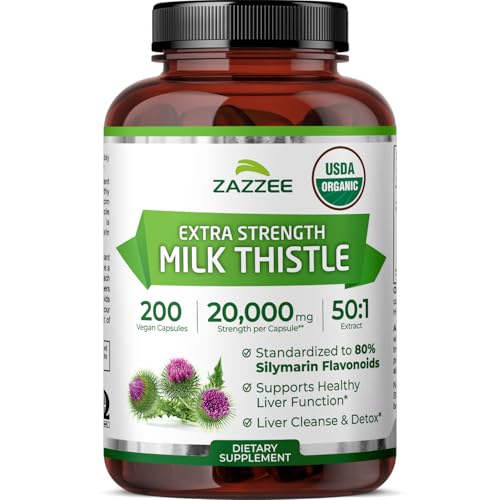
🛒 Where to Buy Milk Thistle (Silymarin)
- CleanseParasites Heavy Metal + Microplastics Binder Editor’s Pick
Contains milk thistle alongside spirulina, zeolite, and other binder herbs. - Thorne Siliphos (Silybin Phosphatidylcholine Complex)Lab-tested / studied
capsules, 1 capsule (~120mg silybin-phosphatidylcholine complex) — Clinically-studied phospholipid complex form used in bioavailability research; NSF Certified for Sport option - Jarrow Formulas Milk Thistle 150mg (Silymarin Standardized Extract)
capsules, 1 capsule (150mg, 80% silymarin) — Widely used, third-party tested, standard 80% silymarin extract at an accessible price - NOW Foods Silymarin Milk Thistle Extract 150mg
capsules, 1 capsule (150mg, 80% silymarin) — GMP-certified, budget-friendly staple brand with consistent standardization - Nature’s Way Milk Thistle Thisilyn Standardized Extract
capsules, 1 capsule (175mg, 80% silymarin) — Long-running standardized formula, one of the most established milk thistle brands in the US market
As an Amazon Associate we earn from qualifying purchases. Quality varies widely — always choose a product with a published third-party test (COA) before buying.
A Note on the Evidence
Milk thistle and TUDCA are dietary supplements, not FDA-approved drugs; they are not intended to diagnose, treat, cure, or prevent any disease. Evidence is limited by small, heterogeneous trials and product variability. Both can interact with medications, though for milk thistle the practical concern is narrow-therapeutic-window drugs rather than CYP450-metabolized drugs in general[8]; for TUDCA it is fat-soluble vitamin and drug absorption. People with diagnosed liver disease, ragweed/Asteraceae allergies, bile duct obstruction, or those taking prescription medications must consult a physician before use.
Frequently Asked Questions
Can I take milk thistle and TUDCA together?
There are no controlled trials evaluating the combination. Theoretical complementarity exists, but additive drug-interaction risks are unknown. Consult your physician before combining, especially if you take prescription medications.
Which is better for fatty liver (NAFLD/MAFLD)?
Both have been studied in NAFLD with inconsistent results. Some trials show modest enzyme improvements with silymarin; a small randomised trial of TUDCA in obese adults reported improved hepatic and muscle insulin sensitivity, but did not measure liver enzymes as an outcome. Lifestyle modification remains first-line; supplement choice should be individualized with a clinician.
Does milk thistle lower liver enzymes (ALT/AST)?
Some randomized trials report reductions in ALT and AST with standardized silymarin extracts, but effects are variable and not universal. Magnitude of change is typically modest. Do not use supplements to replace monitoring or treatment of elevated enzymes.
Is TUDCA the same as UDCA (ursodeoxycholic acid)?
TUDCA is the taurine-conjugated form of UDCA. UDCA is FDA-approved for primary biliary cholangitis; TUDCA is sold as a supplement. They share mechanisms but differ in pharmacokinetics and regulatory status.
Who should avoid milk thistle?
Individuals with Asteraceae (ragweed) allergy, hormone-sensitive conditions (due to potential estrogenic activity in vitro), or those on CYP3A4/2C9/2D6 substrates with narrow therapeutic indices should avoid or use only under medical supervision.
How long does it take to see effects?
Clinical trials typically assess endpoints at 8–24 weeks. There is no established onset timeline for either supplement in healthy individuals. Liver enzyme trends should be monitored by a healthcare provider if that is the goal.
References
- Silybin and its congeners: from traditional medicine to molecular effects. Nat Prod Rep (2022). PMID 35510639
- A review of the bioavailability and clinical efficacy of milk thistle phytosome: a silybin-phosphatidylcholine complex (Siliphos). Altern Med Rev (2005). PMID 16164374
- Silymarin for adults with metabolic dysfunction-associated steatotic liver disease. Cochrane Database Syst Rev (2025). PMID 40552569
- Are alterations needed in Silybum marianum (Silymarin) administration practices? A novel outlook and meta-analysis on randomized trials targeting liver injury. BMC Complement Med Ther (2025). PMID 40221681
- Tauroursodeoxycholate-Bile Acid with Chaperoning Activity: Molecular and Cellular Effects and Therapeutic Perspectives. Cells (2019). PMID 31757001
- Tauroursodeoxycholic Acid may improve liver and muscle but not adipose tissue insulin sensitivity in obese men and women. Diabetes (2010). PMID 20522594
- Assessment of drug-drug interaction for silymarin. Toxicol In Vitro (2008). PMID 18249085
- Safety and toxicity of silymarin, the major constituent of milk thistle extract: An updated review. Phytother Res (2019). PMID 31069872
These statements have not been evaluated by the Food and Drug Administration. This information is not intended to diagnose, treat, cure, or prevent any disease. Content is for informational purposes only and is not medical advice; consult a qualified healthcare provider before starting any supplement. As an Amazon Associate we earn from qualifying purchases.