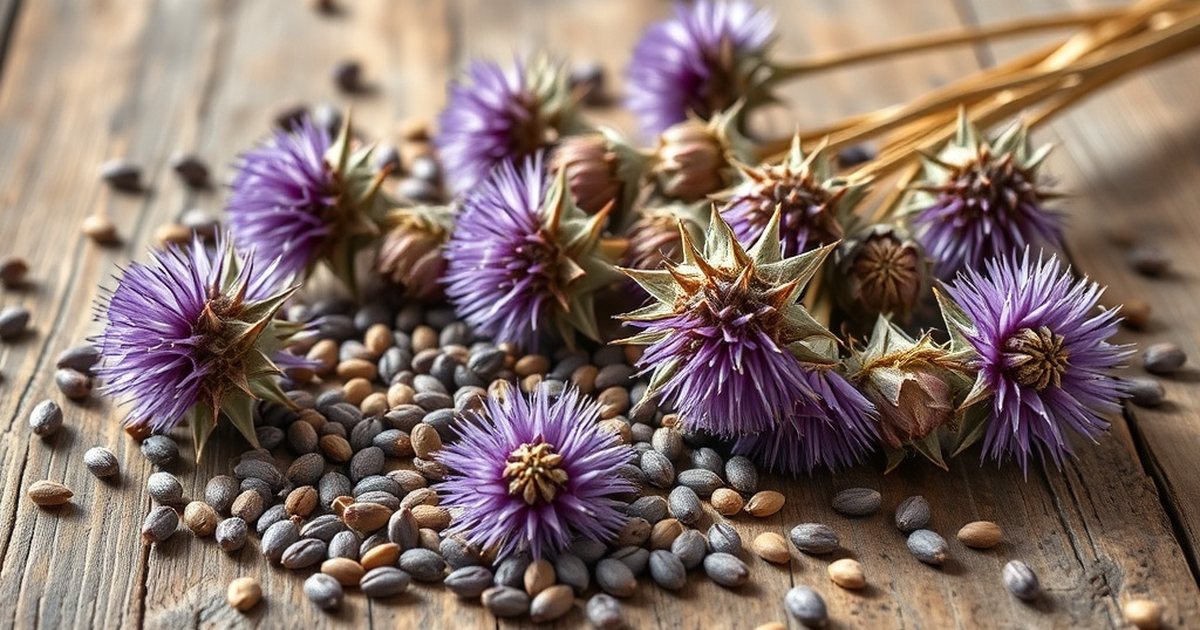
Liver fibrosis represents a wound-healing response to chronic liver injury, characterized by excessive extracellular matrix deposition that can progress to cirrhosis. The activation of hepatic stellate cells (HSCs) into myofibroblast-like cells is the central driver of this process, making HSCs a primary therapeutic target [1]. Silymarin, the flavonolignan complex from milk thistle (Silybum marianum) seeds, has been investigated for its potential to modulate fibrogenic pathways through antioxidant, anti-inflammatory, and membrane-stabilizing actions [2].
While preclinical data suggest silymarin can inhibit HSC activation and reduce oxidative stress, human evidence for fibrosis reversal remains mixed and often limited to surrogate markers or combination therapies. This article summarizes the proposed mechanisms and evaluates key randomized controlled trials in nonalcoholic steatohepatitis (NASH), nonalcoholic fatty liver disease (NAFLD), and hepatitis C virus (HCV)-related fibrosis to provide a balanced view of the current evidence base.
Key Takeaways
- Silymarin targets multiple fibrogenic pathways (oxidative stress, NF-κB, TGF-β/Smad) and inhibits hepatic stellate cell activation in preclinical models.
- Human RCTs in NAFLD/NASH show modest improvements in liver enzymes and histology with silymarin-containing combinations, but monotherapy efficacy for fibrosis reversal is unproven.
- In HCV-related advanced fibrosis post-transplant, IV silibinin has antiviral activity but insufficient evidence for fibrosis regression.
- Poor bioavailability of oral silymarin necessitates enhanced formulations; combination products, which complicate attribution of clinical effects.
- Current evidence does not support silymarin as a standalone treatment to reverse liver fibrosis; it may serve as adjunctive support under medical supervision.
Liver Fibrosis Pathogenesis and the Hepatic Stellate Cell Target
In healthy liver, hepatic stellate cells (HSCs) store vitamin A and maintain sinusoidal structure. Upon chronic injury from metabolic stress, viral infection, or toxins, HSCs undergo transdifferentiation into proliferative, contractile myofibroblasts that secrete collagen types I and III, leading to fibrous scar formation [1]. This activation is driven by cytokines such as transforming growth factor-beta (TGF-β), platelet-derived growth factor (PDGF), and oxidative stress mediators. The TGF-β/Smad signaling pathway is a master regulator of fibrogenesis, promoting collagen transcription and inhibiting matrix degradation [3]. Effective antifibrotic strategies aim to induce HSC apoptosis, revert activated HSCs to a quiescent phenotype, or block pro-fibrotic signaling cascades [1].

Proposed Antifibrotic Mechanisms of Silymarin
Silymarin’s primary constituent, silybin (silibinin), exerts multiple hepatoprotective actions relevant to fibrosis. It acts as a free radical scavenger and enhances glutathione levels, mitigating oxidative stress that drives HSC activation [2]. Silymarin stabilizes hepatocyte membranes against toxin entry and modulates inflammatory signaling, notably inhibiting nuclear factor-kappa B (NF-κB) and activating the Nrf2 antioxidant response pathway [4]. By suppressing pro-inflammatory cytokines (TNF-α, IL-6) and TGF-β1 expression, silymarin may indirectly inhibit HSC activation and collagen synthesis [2]. Additionally, silymarin has been shown to interfere with TGF-β/Smad signaling and induce apoptosis in activated HSCs in vitro, providing a direct cellular mechanism for antifibrotic effects [2].
Clinical Trials in Nonalcoholic Fatty Liver Disease (NAFLD) and NASH
A randomized controlled trial evaluated silymarin (700 mg/day) versus placebo in 99 patients with biopsy-proven NASH over 48 weeks. The primary endpoint was NASH resolution without worsening of fibrosis. Silymarin did not significantly improve the primary outcome compared to placebo, though a post-hoc analysis suggested benefit in a subgroup with higher baseline fibrosis [5]. Another trial tested a combination of silybin-phosphatidylcholine-vitamin E in 85 NAFLD patients for 12 months. The combination significantly improved liver enzymes, insulin resistance, and histology (steatosis, inflammation, and fibrosis scores) compared to control, but the contribution of silymarin alone could not be isolated [6]. A 2024 triple-blind, placebo-controlled trial assessed a fixed-dose combination of Silybum marianum, Pueraria lobata, and Salvia miltiorrhiza in 102 adults with NAFLD. The combination significantly reduced liver fat content (MRI-PDFF) and improved fibrosis scores (FIB-4, NFS) at 24 weeks, yet again the specific effect of silymarin remains unclear due to the multi-herb formulation [7].
Clinical Evidence in Hepatitis C Virus (HCV) Related Fibrosis
In HCV-infected patients with advanced fibrosis (Ishak 4-6) post-liver transplantation, intravenous silibinin monotherapy was evaluated in a randomized trial. Silibinin demonstrated antiviral activity, reducing HCV RNA levels, and was well tolerated, but the study was not powered to assess fibrosis regression [8]. Chronic HCV infection drives fibrosis through persistent immune-mediated inflammation and direct viral effects on HSCs [9]. While silibinin’s antiviral and anti-inflammatory properties provide a mechanistic rationale, robust clinical evidence for fibrosis reversal in HCV is lacking, especially in the era of direct-acting antivirals (DAAs) which achieve high cure rates and subsequent fibrosis improvement.

Bioavailability Considerations and Combination Formulations
Oral silymarin has poor water solubility and low bioavailability, limiting hepatic delivery of active flavonolignans. Formulation strategies such as complexation with phosphatidylcholine (silybin-phytosome) or vitamin E co-administration aim to enhance absorption and synergistic antioxidant effects [6]. The 2012 RCT using silybin-phosphatidylcholine-vitamin E showed histological improvement, but the design precludes attribution to silymarin alone [6]. Similarly, the 2024 multi-herb trial [7] and other combination products confound interpretation. Future trials with standardized, bioavailable silymarin preparations and fibrosis-specific endpoints (e.g., liver stiffness measurement, histology) are needed to clarify monotherapy efficacy.
Evidence Gaps, Limitations, and Contextual Factors
Current human data on silymarin for liver fibrosis reversal are constrained by several factors: heterogeneous patient populations (NAFLD vs. NASH vs. HCV), variable dosing and formulations, short treatment durations relative to fibrosis natural history, and reliance on surrogate markers (liver enzymes, FIB-4, NFS) rather than paired biopsy endpoints. Oxidative stress links NAFLD to both fibrosis progression and atherosclerosis, suggesting systemic metabolic benefits may indirectly influence liver outcomes [10]. However, no large, long-term, biopsy-controlled trial has demonstrated that silymarin monotherapy reverses established fibrosis. Preclinical models using other natural compounds (e.g., bromelain, chrysin, dendropanoxide) show HSC-targeted antifibrotic effects via autophagy inhibition or TGF-β/Smad blockade [11][3][12], but these do not substitute for direct silymarin evidence. Clinicians should interpret silymarin as a potential adjunctive support, not a proven antifibrotic monotherapy.
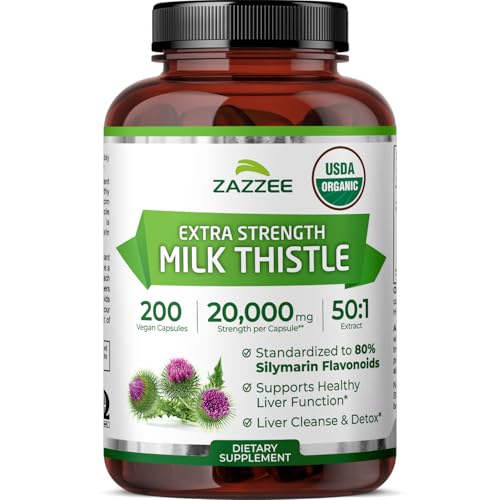
🛒 Where to Buy Milk Thistle (Silymarin)

- CleanseParasites Heavy Metal + Microplastics Binder Editor’s Pick
Contains milk thistle alongside spirulina, zeolite, and other binder herbs. - Thorne Siliphos (Silybin Phosphatidylcholine Complex)Lab-tested / studied
capsules, 1 capsule (~120mg silybin-phosphatidylcholine complex) — Clinically-studied phospholipid complex form used in bioavailability research; NSF Certified for Sport option - Jarrow Formulas Milk Thistle 150mg (Silymarin Standardized Extract)
capsules, 1 capsule (150mg, 80% silymarin) — Widely used, third-party tested, standard 80% silymarin extract at an accessible price - NOW Foods Silymarin Milk Thistle Extract 150mg
capsules, 1 capsule (150mg, 80% silymarin) — GMP-certified, budget-friendly staple brand with consistent standardization - Nature’s Way Milk Thistle Thisilyn Standardized Extract
capsules, 1 capsule (175mg, 80% silymarin) — Long-running standardized formula, one of the most established milk thistle brands in the US market
As an Amazon Associate we earn from qualifying purchases. Quality varies widely — always choose a product with a published third-party test (COA) before buying.
A Note on the Evidence
Silymarin supplements are not FDA-evaluated for safety or effectiveness and are not intended to diagnose, treat, cure, or prevent any disease. They can interact with CYP450-metabolized medications; those with ragweed/Asteraceae allergies or diagnosed liver disease should consult a physician before use. This information is educational, not medical advice.
Frequently Asked Questions
Can silymarin reverse liver fibrosis on its own?
No large, biopsy-controlled trial has demonstrated that silymarin monotherapy reverses established liver fibrosis. Improvements seen in trials typically involve combination formulations or surrogate markers, not definitive fibrosis regression [5][6][7].
What is the proposed mechanism of silymarin in liver fibrosis?
Silymarin exerts antioxidant effects (Nrf2 activation, glutathione preservation), anti-inflammatory actions (NF-κB inhibition), and may directly inhibit hepatic stellate cell activation and TGF-β/Smad signaling, based on preclinical and mechanistic studies [2][4].
Is silymarin effective for NASH-related fibrosis?
A 48-week RCT of silymarin 700 mg/day in biopsy-proven NASH did not meet its primary endpoint of NASH resolution without fibrosis worsening, though subgroup analyses hinted at possible benefit in higher fibrosis stages [5].
Are there safety concerns with silymarin in liver disease patients?
Silymarin is generally well tolerated, but it can interact with CYP450-metabolized medications (statins, diabetes drugs, hormonal therapies). Patients with ragweed/Asteraceae allergies or diagnosed liver disease should consult a physician before use [2].

How does silymarin compare to standard antifibrotic therapies?
There are no head-to-head trials comparing silymarin to approved antifibrotics or lifestyle intervention. Current guidelines do not recommend silymarin as primary therapy for fibrosis; it remains a supplement with theoretical mechanistic support but limited clinical proof of reversal.
What should I look for in a silymarin supplement for liver health?
Choose products standardized to 70-80% silymarin with enhanced bioavailability (e.g., silybin-phosphatidylcholine complex). However, supplement quality varies, and no formulation is FDA-evaluated for fibrosis treatment. Discuss with your healthcare provider.
References
- Wu J et al. Hepatic stellate cells: a target for the treatment of liver fibrosis. Journal of gastroenterology (2000). PMID 11023037
- Abenavoli L et al. Milk thistle (Silybum marianum): A concise overview on its chemistry, pharmacological, and nutraceutical uses in liver diseases. Phytotherapy research : PTR (2018). PMID 30080294
- Balta C et al. Chrysin attenuates liver fibrosis and hepatic stellate cell activation through TGF-β/Smad signaling pathway. Chemico-biological interactions (2015). PMID 26297989
- Chen JY et al. Oxysophoridine inhibits oxidative stress and inflammation in hepatic fibrosis via regulating Nrf2 and NF-κB pathways. Phytomedicine : international journal of phytotherapy and phytopharmacology (2024). PMID 39068811
- Wah Kheong C et al. A Randomized Trial of Silymarin for the Treatment of Nonalcoholic Steatohepatitis. Clinical gastroenterology and hepatology : the official clinical practice journal of the American Gastroenterological Association (2017). PMID 28419855
- Loguercio C et al. Silybin combined with phosphatidylcholine and vitamin E in patients with nonalcoholic fatty liver disease: a randomized controlled trial. Free radical biology & medicine (2012). PMID 22343419
- Li BY et al. Effects of Silybum marianum, Pueraria lobate, combined with Salvia miltiorrhiza tablets on non-alcoholic fatty liver disease in adults: A triple-blind, randomized, placebo-controlled clinical trial. Clinical nutrition ESPEN (2024). PMID 38879879
- Rendina M et al. Antiviral activity and safety profile of silibinin in HCV patients with advanced fibrosis after liver transplantation: a randomized clinical trial. Transplant international : official journal of the European Society for Organ Transplantation (2014). PMID 24673819
- Schuppan D et al. Hepatitis C and liver fibrosis. Cell death and differentiation (2003). PMID 12655347
- Polimeni L et al. Oxidative stress: New insights on the association of non-alcoholic fatty liver disease and atherosclerosis. World journal of hepatology (2015). PMID 26052378
- Sayed AA et al. Bromelain mitigates liver fibrosis via targeting hepatic stellate cells in vitro and in vivo. Tissue & cell (2023). PMID 37269556
- Park YJ et al. Dendropanoxide, a Triterpenoid from Dendropanax morbifera, Ameliorates Hepatic Fibrosis by Inhibiting Activation of Hepatic Stellate Cells through Autophagy Inhibition. Nutrients (2021). PMID 35010975
These statements have not been evaluated by the Food and Drug Administration. This information is not intended to diagnose, treat, cure, or prevent any disease. Content is for informational purposes only and is not medical advice; consult a qualified healthcare provider before starting any supplement. As an Amazon Associate we earn from qualifying purchases.