If you’ve spent any time researching liver support supplements, you’ve likely seen milk thistle and glutathione mentioned side by side, sometimes even pitted against each other as if you have to pick one. In reality, they aren’t competing for the same job. Milk thistle is a plant extract with a specific mechanism, while glutathione is a molecule your own cells produce and use as part of a much larger detoxification and antioxidant system.
This article lays out what each one actually is, what the proposed mechanisms are, and where the evidence is strong, thin, or simply about a different species or context than a healthy human liver. Neither compound is FDA-evaluated to diagnose, treat, cure, or prevent any disease, and this is not a substitute for medical advice.
Key Takeaways
- Milk thistle’s active compound, silymarin (and silybin), is proposed to support hepatocyte membranes and provide antioxidant and mild anti-inflammatory activity, not to raise glutathione directly.
- Glutathione is a molecule your body produces internally and uses centrally in antioxidant defense and Phase II liver detoxification; disrupted glutathione metabolism has been linked to chronic illness in a 2022 review [1].
- Much of the detailed antioxidant and detoxification research referenced alongside these ingredients comes from animal and livestock models, not human clinical trials of the supplements themselves.
- Nutritional and dietary interventions broadly (not just milk thistle or glutathione specifically) have been studied for supporting compromised hepatic detoxification [2].
- Neither ingredient is a proven cure or treatment for liver disease; both should be discussed with a physician, especially if you take CYP450-metabolized medications or have a diagnosed liver condition.
What Milk Thistle Actually Is
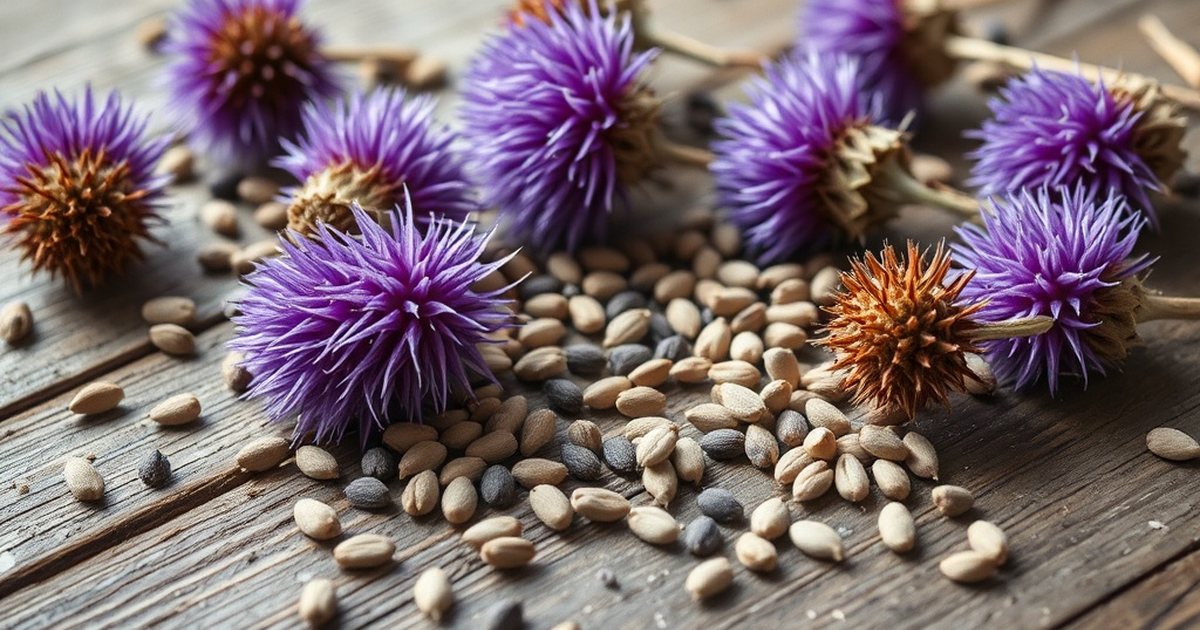
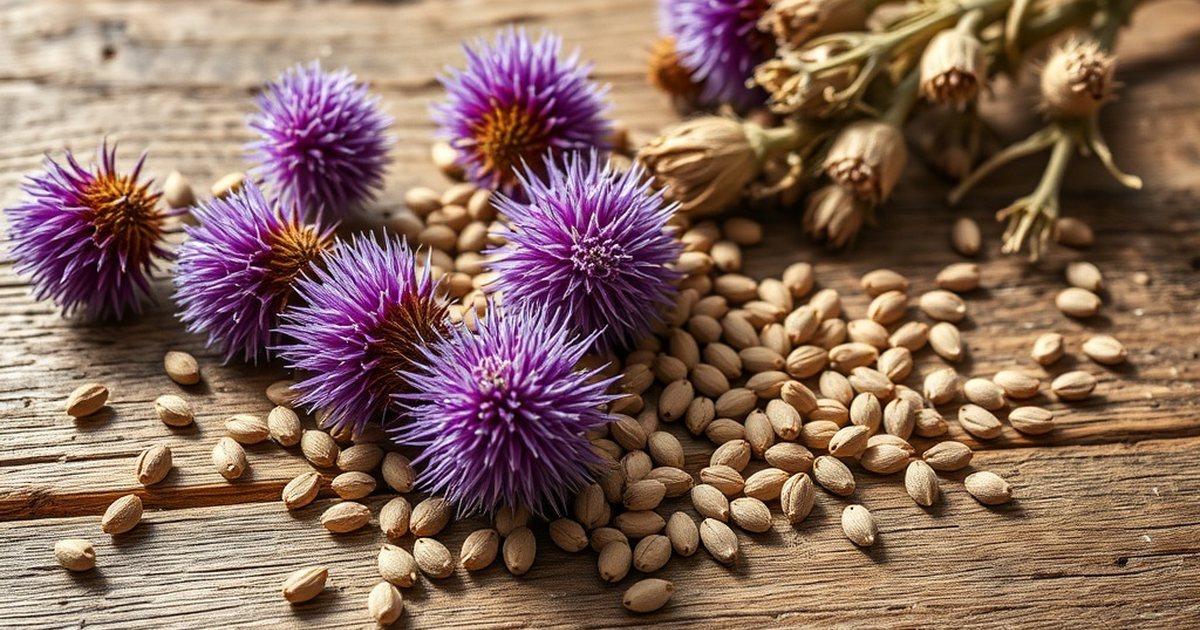
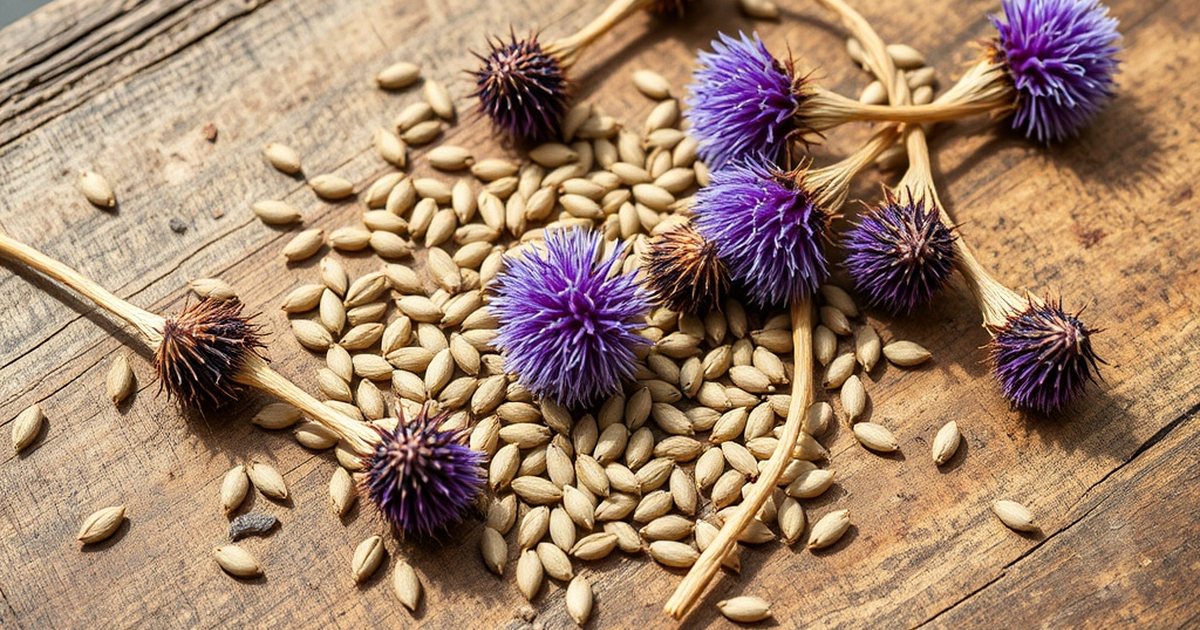
Milk thistle (Silybum marianum) is a flowering plant whose seeds contain a group of compounds collectively called silymarin, with silybin (also called silibinin) as the primary active flavonolignan. Silymarin’s proposed mechanisms center on hepatocytes, the liver’s main working cells. These include antioxidant activity, a membrane-stabilizing effect that may help protect cell walls from certain toxic insults, and mild anti-inflammatory action.
Standardized silymarin has in fact been tested in controlled human liver trials, including placebo-controlled trials with liver-biopsy endpoints in NASH; both missed their primary histologic endpoint[3] [4]. Oral glutathione has a far thinner controlled-trial record than that. The rest of this page also draws on related research into liver antioxidant capacity and detoxification support generally, which helps frame why silymarin’s proposed mechanisms are plausible even where direct outcome trials are thin.

What Glutathione Actually Is
Glutathione is a small molecule made from three amino acids (glutamate, cysteine, and glycine) that your body produces internally. It functions as one of the most important antioxidants inside cells, and the liver relies on it heavily for Phase II detoxification, the step where the liver conjugates toxins and metabolic byproducts to make them easier to excrete.
A 2022 review in Cureus examined how disruptions in glutathione metabolism relate to the development of chronic illness, framing glutathione status as a systemic marker tied to oxidative stress and detoxification capacity, and discussing it as a potential therapeutic target [1]. This underscores that glutathione isn’t a niche liver supplement ingredient, it’s a core biochemical system your body maintains continuously, and its depletion has been linked to broader health decline, not just liver-specific issues.
Interestingly, glycine, one of glutathione’s three building blocks, has its own metabolic research base. A 2025 study in Scientific Reports looked at dietary glycine supplementation in people with severe obesity and its metabolic impact, which is a reminder that glutathione precursors are being studied as a distinct angle from direct glutathione supplementation [5].
Different Mechanisms, Different Roles
The clearest way to think about the distinction: silymarin is proposed to act primarily from the outside in, supporting hepatocyte membrane integrity and providing antioxidant capacity at the cell’s surface and within it, while glutathione acts from the inside as a core enzymatic cofactor and direct antioxidant used in Phase II detox conjugation reactions.

Because they act at different points, some formulations and research approaches look at combining strategies that support both simultaneously rather than treating them as substitutes. For example, animal research has explored how various dietary and nutritional interventions, ranging from nutritional supplementation to modified fasting protocols, can help correct compromised hepatic detoxification, an approach that inherently touches both antioxidant defenses (where glutathione plays a central role) and general hepatic support (where compounds like silymarin are proposed to contribute) [2].
It’s worth being direct here: this doesn’t mean milk thistle raises glutathione levels, nor does it mean glutathione replaces what silymarin does at the cell membrane. They are simply different tools that may be relevant to overlapping aspects of liver physiology.
What the Evidence Actually Shows (and Its Limits)
Much of the strongest antioxidant and hepatic detoxification research cited alongside these ingredients comes from animal and livestock studies, not human clinical trials of milk thistle or glutathione supplements specifically. For instance, a 2021 study in Antioxidants found that dietary Hedyotis diffusa mitigated aflatoxin B1-induced liver toxicity in chicks, and this protective effect was associated with activation of the NRF2/ARE signaling pathway, a cellular pathway that regulates antioxidant gene expression, including genes involved in glutathione synthesis [6].
Similarly, a 2023 study in the Journal of Animal Science examined dietary epidermal growth factor supplementation and its effect on liver antioxidant capacity in piglets with intrauterine growth retardation, again illustrating how nutritional interventions can influence hepatic antioxidant status in a research model, but one quite far removed from adult human supplement use [7].

A separate 2024 study in BMC Veterinary Research used metabolomics and proteomics to characterize hepatic responses in weaned piglets given dietary Spirulina and lysozyme, again reinforcing that nutritional compounds can shift liver metabolic and protein signatures measurably, in a livestock nutrition context [8]. None of this evidence should be read as proof that milk thistle or glutathione supplements produce the same effects in humans; it’s included because the same NRF2/antioxidant biology these studies probe is the same general biology that underlies the proposed mechanisms for both compounds.
Should You Choose One, or Think About Both Differently
Rather than framing this as milk thistle versus glutathione, it’s more accurate to see them as addressing different layers of liver physiology: silymarin’s proposed membrane-protective and antioxidant action at the hepatocyte level, and glutathione’s role as an internally produced, enzymatically essential antioxidant and detox cofactor.
If you’re specifically interested in glutathione support, understand that oral glutathione itself has bioavailability challenges, which is part of why some people instead focus on precursors like cysteine, glycine, or N-acetylcysteine, or on lifestyle factors that support the body’s own synthesis. If you’re specifically interested in milk thistle, understand that most positive framing rests on plausible mechanism and traditional use rather than the specific human clinical evidence cited in this piece.
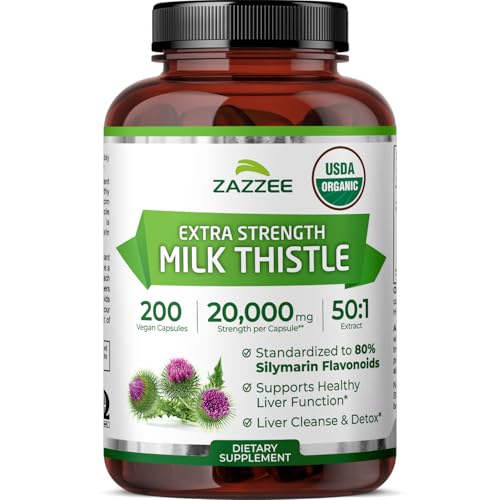
🛒 Where to Buy Milk Thistle (Silymarin)
- CleanseParasites Heavy Metal + Microplastics Binder Editor’s Pick
Contains milk thistle alongside spirulina, zeolite, and other binder herbs. - Thorne Siliphos (Silybin Phosphatidylcholine Complex)
capsules, 1 capsule (~120mg silybin-phosphatidylcholine complex) — Phospholipid complex form (silybin bound to phosphatidylcholine) for liver support - Jarrow Formulas Milk Thistle 150mg (Silymarin Standardized Extract)
capsules, 1 capsule (150mg, 80% silymarin) — Widely used, standard 80% silymarin extract at an accessible price - NOW Foods Silymarin Milk Thistle Extract 150mg
capsules, 1 capsule (150mg, 80% silymarin) — Made under NOW’s GMP Quality Assured program, budget-friendly staple brand with consistent standardization - Nature’s Way Milk Thistle Thisilyn Standardized Extract
capsules, 1 capsule (175mg, 80% silymarin) — Long-running standardized formula, one of the most established milk thistle brands in the US market
As an Amazon Associate we earn from qualifying purchases. Quality varies widely — always choose a product with a published third-party test (COA) before buying.
A Note on the Evidence
This article is informational, not medical advice. The evidence cited spans animal, livestock, and general human metabolic research rather than dedicated human trials of milk thistle or glutathione supplements, so treat the mechanistic connections as plausible, not proven; talk to a physician before use, especially if you have liver disease, take CYP450-metabolized medications, or have a ragweed/Asteraceae allergy.
Frequently Asked Questions
Does milk thistle increase glutathione levels?
The evidence provided here doesn’t include a study directly testing whether silymarin raises glutathione levels in humans. Silymarin’s proposed mechanisms (membrane stabilization, direct antioxidant activity) are generally described as separate from glutathione synthesis pathways, so this shouldn’t be assumed without dedicated research.
Can I take milk thistle and glutathione supplements together?
Some people do combine liver-support strategies, but this is a decision to make with a physician, particularly since milk thistle can interact with CYP450-metabolized medications including some statins, diabetes drugs, and hormonal therapies.
Is oral glutathione well absorbed?
Oral glutathione has known bioavailability limitations, which is part of why research and supplement strategies often look at precursor amino acids like glycine and cysteine instead. A 2025 study on dietary glycine supplementation in people with severe obesity looked at this kind of precursor approach and its broader metabolic impact [5].

What does the NRF2 pathway have to do with any of this?
NRF2/ARE signaling is a cellular pathway that turns on antioxidant and detox-related genes, including ones tied to glutathione production. A 2021 study in chicks found that a dietary compound mitigated aflatoxin-induced liver toxicity partly through activating this pathway, illustrating the underlying biology relevant to both glutathione and general hepatic antioxidant support [6].
Is there strong human clinical evidence for either milk thistle or glutathione supplements?
Standardized milk thistle extract has been studied in randomized, placebo-controlled human trials, though the largest of them missed their primary endpoints. Oral glutathione supplements have much less controlled human data than that. Much of the mechanistic support comes from animal/livestock nutrition research and a general review of glutathione metabolism in chronic illness [1], so claims about either ingredient should be treated as mechanistically plausible rather than clinically proven.
Who should be cautious with milk thistle or glutathione-boosting supplements?
Anyone with a diagnosed liver disease, anyone on CYP450-metabolized medications (some statins, diabetes drugs, hormonal therapies), and anyone with a ragweed or Asteraceae allergy (relevant to milk thistle) should consult a physician before starting either.
References
- Hristov BD et al. The Role of Glutathione Metabolism in Chronic Illness Development and Its Potential Use as a Novel Therapeutic Target. Cureus (2022). PMID 36321012
- Scanlan N et al. Compromised hepatic detoxification in companion animals and its correction via nutritional supplementation and modified fasting. Alternative medicine review : a journal of clinical therapeutic (2001). PMID 11591171
- Wah Kheong C et al. A Randomized Trial of Silymarin for the Treatment of Nonalcoholic Steatohepatitis. Clinical gastroenterology and hepatology (2017). PMID 28419855
- Navarro VJ et al. Silymarin in non-cirrhotics with non-alcoholic steatohepatitis: A randomized, double-blind, placebo controlled trial. PloS one (2019). PMID 31536511
- Tan HC et al. Metabolic impact of dietary glycine supplementation in individuals with severe obesity. Scientific reports (2025). PMID 41107432
- Zhao L et al. Mitigation of Aflatoxin B(1) Hepatoxicity by Dietary Hedyotis diffusa Is Associated with Activation of NRF2/ARE Signaling in Chicks. Antioxidants (Basel, Switzerland) (2021). PMID 34070870
- Tang X et al. Effects of dietary epidermal growth factor supplementation on liver antioxidant capacity of piglets with intrauterine growth retardation. Journal of animal science (2023). PMID 37812936
- Martins CF et al. Metabolomics and proteomics insights into hepatic responses of weaned piglets to dietary Spirulina inclusion and lysozyme supplementation. BMC veterinary research (2024). PMID 39506864
These statements have not been evaluated by the Food and Drug Administration. This information is not intended to diagnose, treat, cure, or prevent any disease. Content is for informational purposes only and is not medical advice; consult a qualified healthcare provider before starting any supplement. As an Amazon Associate we earn from qualifying purchases.