Milk thistle and N-acetylcysteine (NAC) are two of the most commonly recommended supplements for liver support, but they come from entirely different origins and work through different mechanisms. Milk thistle is a plant extract standardized to silymarin, a complex of flavonolignans including silybin, while NAC is a modified amino acid derivative that the body uses to build glutathione, one of the liver’s primary detoxification molecules.
Both have been studied in the context of liver injury, most notably in emergency and toxicology settings involving specific poisons or drugs. This article lays out what each one is proposed to do, where the evidence actually points, and where the two have been directly compared, without overstating what either can deliver for everyday liver health.
Key Takeaways
- Milk thistle (silymarin) is proposed to protect liver cells through antioxidant and membrane-stabilizing effects; NAC works primarily by replenishing glutathione for detoxification.
- The strongest evidence for both comes from acute toxin or drug-overdose models (amanitin poisoning, acetaminophen overdose, pesticide exposure), not general wellness use.
- Direct silymarin-vs-NAC comparisons are limited; more comparative data exists for NAC vs. SAMe in acetaminophen toxicity models.
- Neither supplement is FDA-evaluated for safety or effectiveness, and neither should replace medical treatment for liver disease or poisoning.
- Most cited evidence is from animal models, not long-term human trials in healthy adults.
How Milk Thistle Is Thought to Work
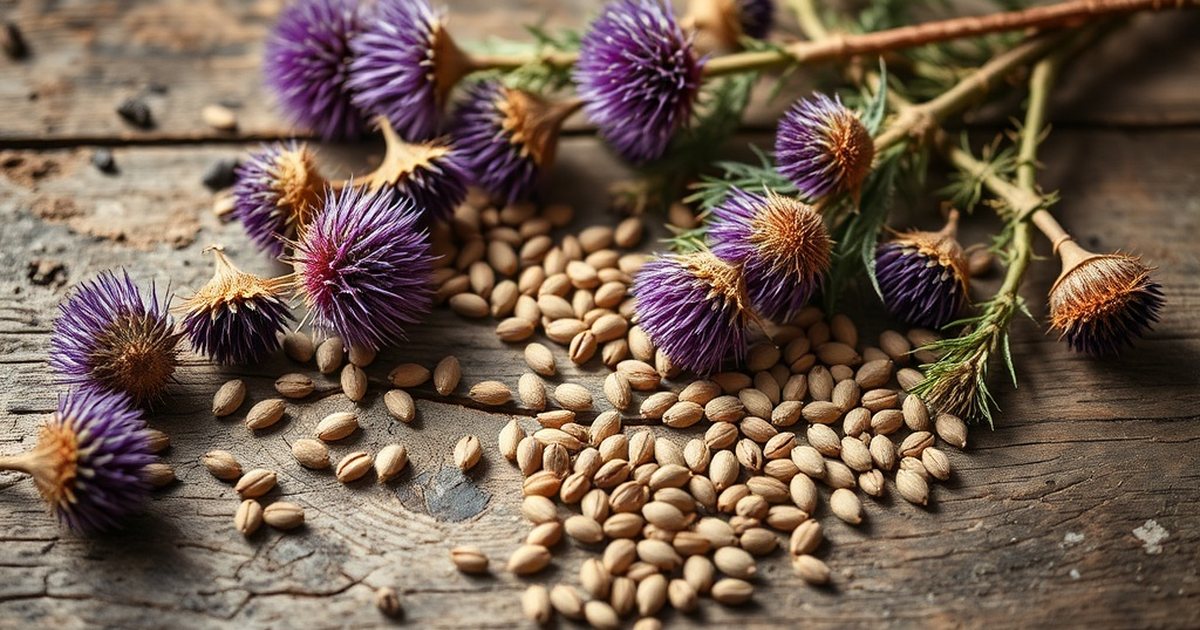
Silymarin, the active flavonolignan complex extracted from milk thistle seeds, is proposed to support liver cell membranes and reduce oxidative stress on hepatocytes. The mechanism most often cited is antioxidant activity paired with a membrane-stabilizing effect, which in animal models has translated into measurable protection against specific toxic insults to the liver.
One of the clearer demonstrations of this comes from toxicology research on amanitin poisoning (the toxin in death cap mushrooms), where silybin was compared directly against other agents including NAC in a murine model [1]. This kind of acute-poisoning research is where silymarin’s protective mechanism has been most rigorously tested, rather than in general wellness contexts.

How NAC Is Thought to Work
NAC serves as a precursor to cysteine, which the liver uses to synthesize glutathione, the molecule most responsible for neutralizing reactive toxic intermediates during Phase II detoxification. This is why NAC is the standard emergency treatment for acetaminophen (paracetamol) overdose: it replenishes glutathione stores faster than the body can on its own.
Beyond acetaminophen, NAC’s protective role has been studied against a range of hepatotoxic exposures. It has shown protective effects against azathioprine-induced liver damage in rats when compared to another agent, aminoguanidine [2], against deltamethrin (a pesticide) in mice [3], and in combination with vitamin E against acrylamide-induced hepatotoxicity, where the combination appeared to influence miRNA-34a and P53/Nrf2/SIRT1 signaling pathways involved in oxidative stress response [4].
Where the Two Have Been Directly Compared
Direct head-to-head data between milk thistle and NAC specifically is limited, and most of it comes from acute poisoning models rather than chronic liver support research. In the amanitin poisoning study noted above, silybin was tested alongside NAC, benzylpenicillin, cimetidine, and thioctic acid as part of a combined treatment comparison, not as a single best option [1].

More of the comparative literature actually pits NAC against a third agent, S-adenosyl-L-methionine (SAMe), in acetaminophen toxicity models. Two separate studies examined SAMe versus NAC for protecting against acetaminophen-induced hepatic damage, one looking at protection when NAC was administered after an overdose had already occurred [5], and another comparing their protective effects on acetaminophen hepatic toxicity more broadly [6]. These studies are useful for understanding relative mechanisms of glutathione-pathway support, but they don’t include milk thistle as a comparator, so drawing a direct silymarin-vs-NAC conclusion from them isn’t supported by the data.
What This Means in Practice
The honest summary is that milk thistle and NAC have been tested in largely separate research tracks, each with strong signal in specific toxic-exposure models, but with very little direct comparative data between the two for general liver support or everyday use. NAC’s mechanism is best validated in acute overdose and toxin-exposure settings, where glutathione depletion is the central problem. Milk thistle’s mechanism is best validated in toxin-exposure models where membrane and oxidative protection of hepatocytes is the central problem.
Neither of these bodies of evidence translates directly into a claim that either supplement will meaningfully improve liver health in someone without a specific toxic exposure or diagnosed condition. Most of the cited research here is animal-model or acute-poisoning research, not long-term human supplementation studies in otherwise healthy people.

A Note on Related Antioxidant Research
Some of the broader hepatoprotective literature also includes plant-derived antioxidants outside milk thistle and NAC. For example, chicoric acid has shown protective effects in chicken hepatic cell culture models exposed to viral-mimicking damage and inflammation [7]. This isn’t directly relevant to a milk thistle vs. NAC comparison, but it illustrates that the broader field of hepatoprotective antioxidant research spans many compounds beyond these two, each studied in narrow, specific models rather than as general-purpose liver tonics.
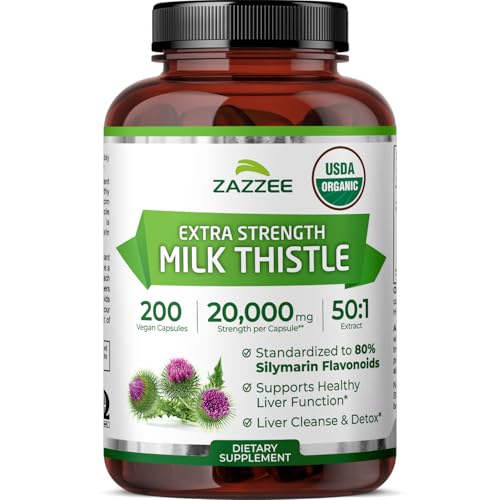
🛒 Where to Buy Milk Thistle (Silymarin)
- CleanseParasites Heavy Metal + Microplastics Binder Editor’s Pick
Contains milk thistle alongside spirulina, zeolite, and other binder herbs. - Thorne Siliphos (Silybin Phosphatidylcholine Complex)
capsules, 1 capsule (~120mg silybin-phosphatidylcholine complex) — Phospholipid complex form (silybin bound to phosphatidylcholine) for liver support - Jarrow Formulas Milk Thistle 150mg (Silymarin Standardized Extract)
capsules, 1 capsule (150mg, 80% silymarin) — Widely used, standard 80% silymarin extract at an accessible price - NOW Foods Silymarin Milk Thistle Extract 150mg
capsules, 1 capsule (150mg, 80% silymarin) — Made under NOW’s GMP Quality Assured program, budget-friendly staple brand with consistent standardization - Nature’s Way Milk Thistle Thisilyn Standardized Extract
capsules, 1 capsule (175mg, 80% silymarin) — Long-running standardized formula, one of the most established milk thistle brands in the US market
As an Amazon Associate we earn from qualifying purchases. Quality varies widely — always choose a product with a published third-party test (COA) before buying.
A Note on the Evidence
This article is informational, not medical advice; most of the cited evidence comes from animal or acute-toxicity models rather than long-term human trials in healthy people. Milk thistle and NAC supplements are not FDA-evaluated for safety or effectiveness and are not intended to diagnose, treat, cure, or prevent any disease, and anyone with diagnosed liver disease, ragweed/Asteraceae allergies, or who takes CYP450-metabolized medications should consult a physician before use.
Frequently Asked Questions
Is milk thistle or NAC better for liver detox?
Neither has been shown in the cited research to be broadly ‘better’ for general detox; they work through different mechanisms and have mostly been studied in separate contexts. NAC’s clearest evidence is in acetaminophen overdose treatment, while milk thistle’s silybin did not limit liver injury in a mouse model of alpha-amanitin poisoning [1].
Can I take milk thistle and NAC together?
There is limited direct research on combining the two specifically, though NAC has been studied in combination with other antioxidants like vitamin E for hepatoprotection [4]. Anyone considering combining supplements, especially with existing liver conditions or medications, should consult a physician first.
Does NAC actually reverse liver damage?
NAC’s most established use is preventing further glutathione depletion after acute toxic exposures like acetaminophen overdose [5] [6], not reversing existing chronic liver damage. It has also shown protective, not restorative, effects in specific toxin models like deltamethrin exposure [3].
Is milk thistle backed by strong human research?
Much of the milk thistle silymarin research cited in comparative toxicology, including the amanitin poisoning model, is done in animals [1]. This means mechanistic plausibility is reasonably well supported, but broad human liver-health claims go beyond what this specific evidence base demonstrates.

Are there safety concerns with either supplement?
Milk thistle can interact with CYP450-metabolized medications, including some statins, diabetes drugs, and hormonal therapies, and those with ragweed or Asteraceae allergies or diagnosed liver disease should consult a physician before use. Neither milk thistle nor NAC is FDA-evaluated for safety or effectiveness as a treatment.
Which one should I choose for everyday liver support?
The evidence doesn’t clearly favor one over the other for everyday, non-clinical liver support, since most cited studies involve specific toxic exposures rather than general use. Anyone considering either supplement for ongoing liver support should discuss it with a physician, particularly if taking other medications.
References
- Tong TC et al. Comparative treatment of alpha-amanitin poisoning with N-acetylcysteine, benzylpenicillin, cimetidine, thioctic acid, and silybin in a murine model. Annals of emergency medicine (2007). PMID 17559970
- Raza M et al. A comparison of hepatoprotective activities of aminoguanidine and N-acetylcysteine in rat against the toxic damage induced by azathioprine. Comparative biochemistry and physiology. Toxicology & pharmacology : CBP (2003). PMID 12727294
- Ameri A et al. The Protective Effect of N-acetylcysteine against Deltamethrin-Induced Hepatotoxicity in Mice. Avicenna journal of medical biotechnology (2024). PMID 38618504
- Gad FA et al. N-acetyl cysteine and vitamin E attenuate acrylamide-induced hepatotoxicity via regulation of miRNA-34a and P53/Nrf2/SIRT 1 signaling pathways. Drug and chemical toxicology (2026). PMID 41145378
- Terneus MV et al. Comparison of S-adenosyl-L-methionine (SAMe) and N-acetylcysteine (NAC) protective effects on hepatic damage when administered after acetaminophen overdose. Toxicology (2008). PMID 18068290
- Terneus MV et al. Comparison of S-Adenosyl-L-methionine and N-acetylcysteine protective effects on acetaminophen hepatic toxicity. The Journal of pharmacology and experimental therapeutics (2007). PMID 17065366
- Tráj P et al. Protective effects of chicoric acid on polyinosinic-polycytidylic acid exposed chicken hepatic cell culture mimicking viral damage and inflammation. Veterinary immunology and immunopathology (2022). PMID 35749822
These statements have not been evaluated by the Food and Drug Administration. This information is not intended to diagnose, treat, cure, or prevent any disease. Content is for informational purposes only and is not medical advice; consult a qualified healthcare provider before starting any supplement. As an Amazon Associate we earn from qualifying purchases.