Milk thistle (Silybum marianum) is best known as an over-the-counter liver-support supplement, but one of its constituents, silibinin (also spelled silybin), has a very different and more clinically serious use: as an intravenous treatment for poisoning by Amanita phalloides and related amatoxin-containing mushrooms. This is not a wellness application. It is emergency medicine, administered in hospitals to people who may be facing liver failure and death within days of eating the wrong mushroom.
This article separates the supplement-shelf version of milk thistle from the pharmaceutical-grade silibinin used in poison centers, explains why amatoxin poisoning is so dangerous, and reviews what the published case series and reviews actually report about outcomes. It is written for people who want to understand the evidence, not as a guide to self-treat a suspected poisoning, which is always a medical emergency requiring immediate professional care.
Key Takeaways
- Amatoxin mushroom poisoning (from Amanita phalloides and relatives) is a life-threatening emergency with a deceptive symptom timeline: early GI symptoms can fade before liver damage progresses [1].
- Silibinin, a compound from milk thistle, is used intravenously in hospitals as part of a broader supportive-care protocol for amatoxin poisoning, not as a standalone cure [2].
- Clinical evidence comes from retrospective case series and toxicology reviews, not randomized trials isolating silibinin’s individual effect [3] [4] [5].
- Oral, over-the-counter milk thistle supplements are not the same product or dose as the pharmaceutical silibinin used in poisoning protocols.
- Suspected mushroom poisoning requires immediate emergency medical care and poison control contact, never home treatment with a supplement.
Why Amanita Poisoning Is a Medical Emergency
Amanita phalloides, commonly called the death cap, and several related species contain amatoxins, cyclic peptides that inhibit RNA polymerase II and shut down protein synthesis in cells, with the liver bearing the brunt of the damage because it is the first organ amatoxins pass through after gut absorption [6]. The clinical course is notoriously deceptive: an initial gastrointestinal phase (severe vomiting, diarrhea, abdominal pain) begins 6 to 24 hours after ingestion and can seem to improve, followed by a false recovery period, before progressive hepatotoxicity and sometimes fulminant liver failure emerge over the following days [1].
Because there is no antidote in the traditional sense, and because misidentification of wild mushrooms is common even among experienced foragers, amatoxin poisoning remains a source of severe morbidity and death worldwide, with case fatality historically ranging widely depending on how quickly treatment begins and how much toxin was absorbed [4] [7].

Where Silibinin Fits Into Treatment
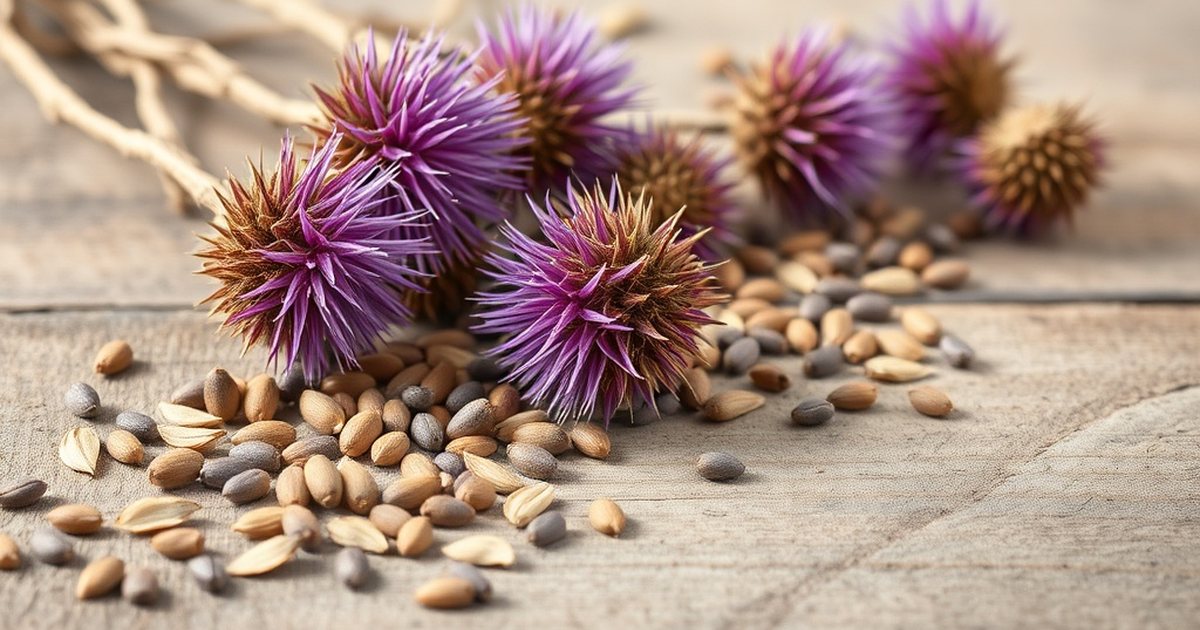
Silibinin is the major flavonolignan in milk thistle seed extract and is thought to interfere with amatoxin’s entry into hepatocytes by competing for the same OATP1B3 membrane transporter that amatoxins use to get inside liver cells, along with additional proposed antioxidant and anti-inflammatory effects on already-stressed hepatocytes [2]. In practice, poison treatment centers use it as one part of a broader supportive care package that also includes aggressive IV fluids, activated charcoal if given early enough, N-acetylcysteine, and monitoring of liver and kidney function, with liver transplantation reserved for those who progress to fulminant failure [8].
It’s important to be precise about form here: the silibinin used in these cases is typically a concentrated intravenous pharmaceutical preparation used under hospital protocols, not an oral milk thistle capsule from a supplement aisle. The two are related by active compound but are not interchangeable in a poisoning scenario [2].
What the Clinical Case Series Report
A retrospective review of amatoxin poisoning cases managed by the Australian Capital Territory and New South Wales poison services described silibinin use alongside standard supportive care in patients with confirmed or suspected Amanita phalloides ingestion, illustrating how the drug is folded into real-world treatment protocols rather than used as a standalone cure [3]. A Slovakian center’s 16-year retrospective analysis (2004-2020) similarly documented diagnostic and treatment approaches to amatoxin poisoning over an extended period, giving a picture of how case management, including antidotal therapies, has been applied and refined over time [4].
An earlier case series from Bulgaria describing experience treating acute Amanita phalloides poisoning likewise reported on outcomes under a combined treatment approach [8]. More recently, a ten-year retrospective review of the California Poison Control System’s amatoxin-related calls examined how frequently silibinin and other antidotal therapies were used across a large volume of real-world cases, offering a broader look at practice patterns in a U.S. setting [5].

Taken together, these are observational, retrospective case series rather than randomized controlled trials. They describe how silibinin has been used and the outcomes seen in those cohorts, but they do not, on their own, isolate silibinin’s specific contribution apart from the rest of supportive care, fluid resuscitation, charcoal, and monitoring that patients received simultaneously.
A Toxicologist's-Eye View of the Evidence
A 2022 clinical toxicology review examined silibinin specifically as a treatment agent in poisoning contexts, weighing the pharmacological rationale, the pattern of clinical use, and the quality of evidence supporting it [2]. This kind of review is useful precisely because it steps back from any single case series to ask a harder question: does the accumulated evidence justify silibinin’s place in treatment protocols, and where are the gaps?
A broader review of mycetismus (mushroom poisoning syndromes generally) situates amatoxin poisoning and its treatments, including silibinin, within the wider landscape of toxic mushroom ingestions, many of which have entirely different toxins, timelines, and treatments [1]. A separate review aimed at clinicians, “Malicious Mushrooms,” likewise frames amatoxin poisoning as one of several distinct mushroom toxin syndromes clinicians need to recognize quickly, since early misdiagnosis (mistaking it for ordinary gastroenteritis during the deceptive latent phase) is one of the biggest drivers of poor outcomes [7].
What This Means for Oral Milk Thistle Supplements
None of the evidence above involves an over-the-counter milk thistle capsule treating a mushroom poisoning. It involves concentrated silibinin, generally given intravenously, inside a hospital, as part of a coordinated emergency protocol [2] [8]. Someone who has eaten a wild mushroom and is worried about amatoxin exposure should go to an emergency department or call poison control immediately; taking an oral supplement at home is not a substitute for professional treatment and could delay care during a window where speed matters most [6].

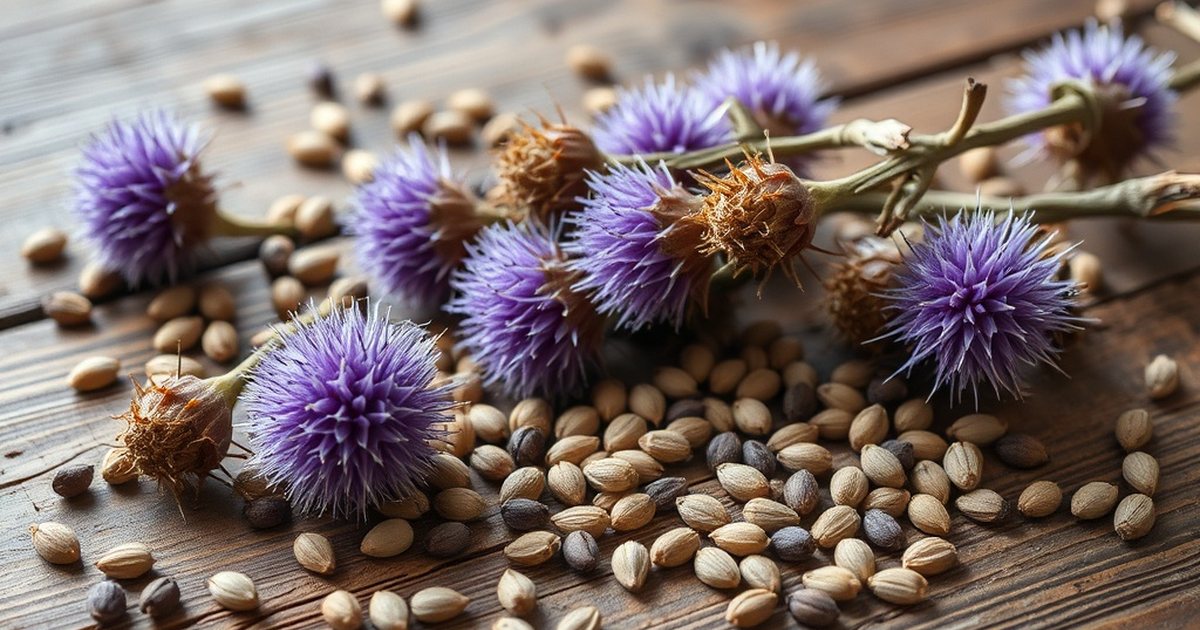
This distinction matters for how the general, non-poisoning use of milk thistle supplements (as a liver-support product) should be understood. The poisoning literature says something about silibinin’s pharmacology and its role in a specific emergency protocol; it is not evidence that daily oral milk thistle capsules protect a healthy liver from everyday stressors, nor is it a reason to self-manage a suspected poisoning outside a hospital.
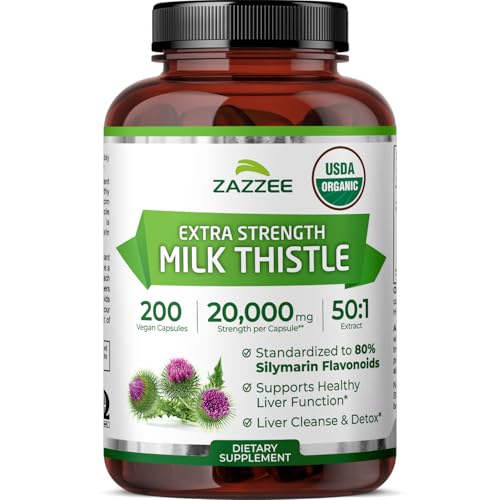
🛒 Where to Buy Milk Thistle (Silymarin)
- CleanseParasites Heavy Metal + Microplastics Binder Editor’s Pick
Contains milk thistle alongside spirulina, zeolite, and other binder herbs. - Thorne Siliphos (Silybin Phosphatidylcholine Complex)Lab-tested / studied
capsules, 1 capsule (~120mg silybin-phosphatidylcholine complex) — Clinically-studied phospholipid complex form used in bioavailability research; NSF Certified for Sport option - Jarrow Formulas Milk Thistle 150mg (Silymarin Standardized Extract)
capsules, 1 capsule (150mg, 80% silymarin) — Widely used, third-party tested, standard 80% silymarin extract at an accessible price - NOW Foods Silymarin Milk Thistle Extract 150mg
capsules, 1 capsule (150mg, 80% silymarin) — GMP-certified, budget-friendly staple brand with consistent standardization - Nature’s Way Milk Thistle Thisilyn Standardized Extract
capsules, 1 capsule (175mg, 80% silymarin) — Long-running standardized formula, one of the most established milk thistle brands in the US market
As an Amazon Associate we earn from qualifying purchases. Quality varies widely — always choose a product with a published third-party test (COA) before buying.
A Note on the Evidence
This article is informational and not medical advice; milk thistle/silibinin is not FDA-evaluated to diagnose, treat, cure, or prevent any disease, and the poisoning-treatment evidence here comes from retrospective case series and reviews rather than controlled trials. Anyone with suspected mushroom poisoning should seek immediate emergency care, and anyone considering milk thistle supplements for general liver health, especially those on CYP450-metabolized medications or with ragweed/Asteraceae allergies or diagnosed liver disease, should consult a physician first.
Frequently Asked Questions
Is milk thistle a proven cure for mushroom poisoning?
No. Silibinin, a compound derived from milk thistle, is used as part of hospital-based supportive care for amatoxin poisoning, but the evidence base is retrospective case series and reviews rather than controlled trials proving it cures poisoning on its own [2] [3].
What mushrooms cause amatoxin poisoning?
Amanita phalloides (the death cap) is the most notorious, alongside several related Amanita species, and cases have been documented and reviewed in multiple countries [4] [7].
Why is amatoxin poisoning so dangerous if symptoms seem to improve?
There is a deceptive pattern where initial vomiting and diarrhea can subside temporarily before progressive liver injury develops over subsequent days, which can lead to delayed diagnosis and treatment [1].

Can I take milk thistle supplement capsules if I suspect I ate a poisonous mushroom?
No, this is not appropriate self-treatment. Suspected amatoxin poisoning requires immediate emergency department care and poison control contact; the silibinin used clinically is a different, hospital-administered pharmaceutical form, not an OTC capsule [6].
How is silibinin thought to work against amatoxin?
It’s proposed to compete with amatoxins for the OATP1B3 transporter that amatoxins use to enter liver cells, along with providing antioxidant support to stressed hepatocytes, though this remains a proposed mechanism discussed in toxicology literature [2].
How common are amatoxin poisoning cases seen by poison control centers?
A ten-year retrospective review of the California Poison Control System documented amatoxin-related calls over that period, giving one real-world estimate of case volume and management patterns in a U.S. system [5].
References
- Smith MR et al. Mycetismus: a review. Gastroenterology report (2016). PMID 26637206
- Horowitz BZ et al. Silibinin: a toxicologist's herbal medicine?. Clinical toxicology (Philadelphia, Pa.) (2022). PMID 36222816
- Roberts DM et al. Amanita phalloides poisoning and treatment with silibinin in the Australian Capital Territory and New South Wales. The Medical journal of Australia (2013). PMID 23330770
- Dluholucký S et al. Results of diagnostics and treatment of amanita phalloides poisoning in Slovakia (2004-2020). Toxicon : official journal of the International Society on Toxinology (2022). PMID 36150415
- Albertson TE et al. A ten-year retrospective California Poison Control System experience with possible amatoxin mushroom calls. Clinical toxicology (Philadelphia, Pa.) (2023). PMID 37966491
- McPartland JM et al. Mushroom poisoning. American family physician (1997). PMID 9105206
- Iskander P et al. Malicious Mushrooms. Gastro hep advances (2023). PMID 39132040
- Iliev Y et al. Our experience in the treatment of acute Amanita phalloides poisoning. Folia medica (1999). PMID 10786202
These statements have not been evaluated by the Food and Drug Administration. This information is not intended to diagnose, treat, cure, or prevent any disease. Content is for informational purposes only and is not medical advice; consult a qualified healthcare provider before starting any supplement. As an Amazon Associate we earn from qualifying purchases.