Milk thistle (Silybum marianum) is one of the most widely used liver-support herbs, and its seed extract, standardized to silymarin, is also marketed to breastfeeding mothers as a way to increase milk supply. Because pregnancy and lactation are periods where safety questions carry extra weight, it’s worth separating what has actually been studied from what is simply assumed to be safe because an herb is ‘natural.’
This article summarizes the available evidence on silymarin/silibinin during pregnancy and breastfeeding: general toxicity data, animal developmental studies, and the human galactagogue trials that most breastfeeding-related marketing claims are based on. It does not replace medical advice, and anyone pregnant or breastfeeding should talk to a physician or lactation professional before using any supplement.
Key Takeaways
- Silymarin’s general adult safety profile is reasonably well studied, but pregnancy- and lactation-specific human data is limited [1].
- One animal study evaluated silymarin exposure during pregnancy/breastfeeding and offspring development, but animal data doesn’t guarantee the same outcomes in humans [2].
- A small human trial reported a milk-supply benefit from micronized silymarin [3], but systematic reviews find the overall galactagogue evidence for herbs, including milk thistle, inconsistent and insufficient for a strong recommendation [4] [5].
- Milk thistle can interact with CYP450-metabolized medications; anyone with a liver condition or ragweed/Asteraceae allergy should be especially cautious.
- This is informational content, not medical advice, always consult a physician or lactation professional before using milk thistle during pregnancy or breastfeeding.
What Milk Thistle Is Proposed to Do
Milk thistle seed extract contains a flavonolignan complex called silymarin, of which silybin (also called silibinin) is the primary active component. In non-pregnant adults, silymarin is proposed to support liver cell health through antioxidant activity, stabilization of hepatocyte cell membranes, and mild anti-inflammatory effects, mechanisms that have made it a popular over-the-counter option for general liver support [6].
For breastfeeding specifically, silymarin is marketed as a galactagogue, a substance believed to increase milk supply. This use is largely separate from its liver-support reputation, and the evidence base for it is much smaller and more mixed, which is covered in a later section.

General Safety Data on Silymarin
A 2019 updated review of silymarin’s safety and toxicity found that, across the general population, silymarin is generally well tolerated at commonly used doses, with mild gastrointestinal effects (bloating, nausea, diarrhea) being the most commonly reported issues, and serious adverse events being rare [1]. Importantly, this review’s data is drawn overwhelmingly from non-pregnant, non-lactating adults, so ‘generally well tolerated’ cannot be assumed to transfer directly to pregnancy or breastfeeding without dedicated study in those populations.
A separate reference summary on milk thistle notes that human clinical data specific to pregnant or breastfeeding women remains limited, which is a recurring theme across the sources available on this topic [6]. This gap is the central reason cautious, individualized medical guidance matters more here than for the general adult population.
What Animal Research Shows
One of the more direct pieces of evidence comes from a 2020 study in mice that administered silymarin during pregnancy and breastfeeding and then evaluated the offspring’s early development and adult behavior [2]. Animal developmental studies like this one are designed specifically to catch problems that wouldn’t show up in a short adult-toxicity study, things like delayed developmental milestones or behavioral changes later in life, making them a meaningful (if indirect) data point for reassurance, though animal findings do not automatically generalize to humans.
Separately, a 2004 study examined silymarin given to dairy cows during the periparturient period (around calving) as a hepatoprotective agent [7]. This research was conducted for veterinary and dairy production purposes, not human perinatal safety, and its findings on liver protection in cattle should not be extrapolated to conclusions about human pregnancy safety. It is included here only because it is sometimes cited in milk thistle marketing material, and readers deserve to know its actual context and limits.

Milk Thistle as a Galactagogue: What the Human Trials Show
The most cited human data on milk thistle in breastfeeding comes from a small 2008 trial of BIO-C (a micronized silymarin preparation) as a galactagogue, which reported measurable increases in milk production among the women studied [3]. However, this was a limited trial, and single small studies of this kind are not sufficient on their own to establish that an intervention reliably works across a broader population.
When this evidence is placed in the context of systematic reviews, the picture becomes more cautious. A 2013 systematic review of herbal galactogogues broadly found that the evidence supporting most herbal milk-supply boosters, including milk thistle, is limited by small sample sizes, inconsistent methodology, and a lack of rigorous placebo-controlled design [4]. A 2020 Cochrane review of oral galactagogues (natural therapies and drugs) for mothers of non-hospitalized term infants likewise found insufficient high-quality evidence to confidently recommend most galactagogues, reflecting the same evidence gap across the category rather than a milk thistle-specific finding [5]. A 2012 review on the use of galactogogues in breastfeeding mothers made a similar point: many popular options, herbal and pharmaceutical alike, are used more on tradition and anecdote than on strong clinical trial support [8].
None of this means milk thistle definitely doesn’t help with supply, it means the current evidence doesn’t allow a confident, evidence-based claim that it reliably does, and that’s an important distinction for anyone considering it for this purpose.
Safety Considerations Specific to Lactating Women
A 2015 review on the safety of popular herbal supplements in lactating women included milk thistle among the herbs examined, generally characterizing it as having a relatively favorable safety profile compared to some other lactation herbs, while still noting the overall thinness of rigorous safety data across this category of supplements [9]. A broader 2016 review of botanicals and bioactive phytochemicals relevant to women’s health also discusses milk thistle among herbs used across female reproductive life stages, again underscoring that traditional use and mechanistic plausibility are not the same as confirmed clinical safety in pregnancy or lactation [10].

Taken together, these sources suggest milk thistle is not flagged as a high-risk herb in lactation the way some botanicals are, but ‘not flagged as high-risk’ is different from ‘proven safe.’ The honest summary is that the human evidence base for pregnancy and breastfeeding safety is smaller, older, and less rigorous than the evidence base for milk thistle in non-pregnant adults.
Practical Considerations Before Use
Milk thistle supplements are not evaluated by the FDA for safety or effectiveness and are not intended to diagnose, treat, cure, or prevent any disease. Silymarin can interact with medications metabolized through the CYP450 enzyme system, including some statins, diabetes medications, and hormonal therapies, which matters for anyone on prenatal-adjacent medication regimens or postpartum hormonal treatments.
People with a diagnosed liver disease, a known ragweed or Asteraceae plant family allergy (milk thistle is part of this family), or anyone pregnant or breastfeeding should talk with a physician before starting milk thistle, both because of the medication-interaction potential and because the direct human safety data for these specific life stages remains limited.
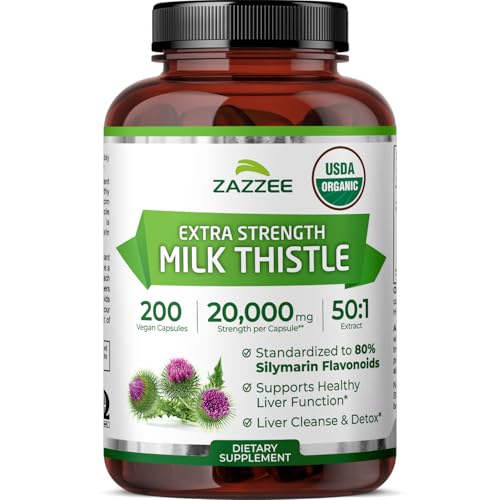
🛒 Where to Buy Milk Thistle (Silymarin)
- CleanseParasites Heavy Metal + Microplastics Binder Editor’s Pick
Contains milk thistle alongside spirulina, zeolite, and other binder herbs. - Thorne Siliphos (Silybin Phosphatidylcholine Complex)Lab-tested / studied
capsules, 1 capsule (~120mg silybin-phosphatidylcholine complex) — Clinically-studied phospholipid complex form used in bioavailability research; NSF Certified for Sport option - Jarrow Formulas Milk Thistle 150mg (Silymarin Standardized Extract)
capsules, 1 capsule (150mg, 80% silymarin) — Widely used, third-party tested, standard 80% silymarin extract at an accessible price - NOW Foods Silymarin Milk Thistle Extract 150mg
capsules, 1 capsule (150mg, 80% silymarin) — GMP-certified, budget-friendly staple brand with consistent standardization - Nature’s Way Milk Thistle Thisilyn Standardized Extract
capsules, 1 capsule (175mg, 80% silymarin) — Long-running standardized formula, one of the most established milk thistle brands in the US market
As an Amazon Associate we earn from qualifying purchases. Quality varies widely — always choose a product with a published third-party test (COA) before buying.
A Note on the Evidence
Evidence on milk thistle in pregnancy and breastfeeding is limited, drawn mostly from small trials, animal studies, or reviews of the broader galactagogue category rather than dedicated large human safety trials; this is informational content, not medical advice, and pregnant or breastfeeding individuals, especially those with liver disease, ragweed/Asteraceae allergies, or CYP450-metabolized medications, should consult a physician before use.
Frequently Asked Questions
Is milk thistle proven safe during pregnancy?
There isn’t strong human clinical safety data specifically for pregnancy. General adult safety reviews suggest silymarin is often well tolerated [1], and one animal study looked at developmental outcomes after exposure during pregnancy and breastfeeding [2], but this is not the same as a confirmed human pregnancy safety profile.
Does milk thistle actually increase breast milk supply?
One small trial of micronized silymarin (BIO-C) reported an increase in milk production [3], but broader systematic reviews of herbal galactogogues, including a Cochrane review, found the overall evidence too limited and inconsistent to confidently recommend it for this purpose [4] [5].
Are there known drug interactions to worry about while breastfeeding?
Yes. Silymarin can interact with medications processed through the CYP450 liver enzyme system, which includes some statins, diabetes medications, and hormonal therapies, so anyone on these should discuss milk thistle with a physician first [1].

Who should avoid milk thistle during pregnancy or breastfeeding?
Those with a diagnosed liver disease, a known allergy to ragweed or other Asteraceae family plants, or anyone taking CYP450-metabolized medications should consult a physician before use, given the herb’s mechanism and the limited pregnancy/lactation-specific safety data [9].
Is the dairy cow research relevant to human pregnancy safety?
Not directly. That study examined silymarin’s hepatoprotective effects in dairy cows around calving for veterinary and agricultural purposes [7], and its findings shouldn’t be used as evidence for human pregnancy safety.
Should I ask a doctor before trying milk thistle while breastfeeding?
Yes. Given the limited human data specific to pregnancy and lactation and the potential for medication interactions, a physician or lactation consultant is best positioned to weigh the evidence against your individual health history [8].
References
- Soleimani V et al. Safety and toxicity of silymarin, the major constituent of milk thistle extract: An updated review. Phytotherapy research : PTR (2019). PMID 31069872
- Barbosa CC et al. Silymarin administration during pregnancy and breastfeeding: evaluation of initial development and adult behavior of mice. Neurotoxicology (2020). PMID 32084436
- Di Pierro F et al. Clinical efficacy, safety and tolerability of BIO-C (micronized Silymarin) as a galactagogue. Acta bio-medica : Atenei Parmensis (2008). PMID 19260380
- Mortel M et al. Systematic review of the efficacy of herbal galactogogues. Journal of human lactation : official journal of International Lactation Consultant Association (2013). PMID 23468043
- Foong SC et al. Oral galactagogues (natural therapies or drugs) for increasing breast milk production in mothers of non-hospitalised term infants. The Cochrane database of systematic reviews (2020). PMID 32421208
- et al. Milk Thistle. (2006). PMID 30000830
- Tedesco D et al. Effects of silymarin, a natural hepatoprotector, in periparturient dairy cows. Journal of dairy science (2004). PMID 15328238
- Forinash AB et al. The use of galactogogues in the breastfeeding mother. The Annals of pharmacotherapy (2012). PMID 23012383
- Amer MR et al. Safety of Popular Herbal Supplements in Lactating Women. Journal of human lactation : official journal of International Lactation Consultant Association (2015). PMID 25881578
- Dietz BM et al. Botanicals and Their Bioactive Phytochemicals for Women's Health. Pharmacological reviews (2016). PMID 27677719
These statements have not been evaluated by the Food and Drug Administration. This information is not intended to diagnose, treat, cure, or prevent any disease. Content is for informational purposes only and is not medical advice; consult a qualified healthcare provider before starting any supplement. As an Amazon Associate we earn from qualifying purchases.