Milk thistle (Silybum marianum) supplements are typically standardized to silymarin, a mix of flavonolignans dominated by silybin, and are most often sold as capsules, tablets, or tinctures aimed at supporting liver health. Because products vary widely in extraction method and standardization percentage, ‘how much to take’ is less a single number than a range that depends on the product in front of you.
This guide walks through typical dosing ranges seen in clinical research, how the body actually absorbs and processes silymarin, timing considerations, and where the evidence is thin. It is not medical advice, and milk thistle has not been evaluated by the FDA to diagnose, treat, cure, or prevent any disease.
Key Takeaways
- Labeled doses for standardized milk thistle extracts commonly range from about 140-800 mg of silymarin daily, often split into 2-3 doses.
- Silymarin is absorbed and cleared over a matter of hours, which is part of why many products use divided daily dosing [1].
- Clinical trial evidence on milk thistle dosing is mixed in quality and inconsistent in the extracts and doses used, so no single dose is definitively ‘correct’ [2].
- Follow the specific product’s label dose rather than assuming all milk thistle extracts are interchangeable.
- Check with a physician before use if you take CYP450-metabolized medications, have a ragweed/Asteraceae allergy, or have diagnosed liver disease.
What a 'Standard' Milk Thistle Dose Looks Like
Most milk thistle products on the market are standardized to contain a set percentage of silymarin (commonly 70-80%), and label doses generally fall somewhere between 140 mg and 800 mg of silymarin per day, split into two or three doses. There isn’t one universally agreed ‘correct’ dose because studies reviewed in the clinical literature have used differing extracts, formulations, and durations, which makes cross-study comparison difficult [2].
A review of clinical trials evaluating milk thistle’s safety and efficacy found that dosing protocols and product standardization were inconsistent across studies, and that trial quality and size varied considerably, which limits how confidently any single dose can be recommended for a specific outcome [2].

Why Absorption Affects How Much You Actually Need
Silymarin’s flavonolignans are not absorbed particularly efficiently when taken orally. Pharmacokinetic research tracking free, conjugated, and total silymarin flavonolignans in human plasma after oral administration found that the compounds undergo significant conjugation (glucuronidation and sulfation) and are cleared relatively quickly from circulation, with peak plasma levels reached within a few hours of dosing [1].
This matters for real-world use in two ways. First, it’s part of why manufacturers use standardized, concentrated extracts rather than raw milk thistle seed, since raw seed alone delivers a much lower and less predictable dose of active flavonolignans. Second, because levels rise and fall over a matter of hours, splitting a daily dose into two or three smaller doses is a common practical approach rather than taking one large dose, though this pharmacokinetic pattern does not by itself prove any particular splitting schedule improves outcomes [1].
Timing: With Food, Without Food, and Time of Day
There isn’t strong evidence in the cited literature that dictates an optimal time of day to take milk thistle. Because silymarin is fat-soluble to a degree, some people take it with meals, on the theory that this may aid absorption or reduce mild stomach upset, but this is a common-sense practice rather than something directly established by the trials reviewed here.
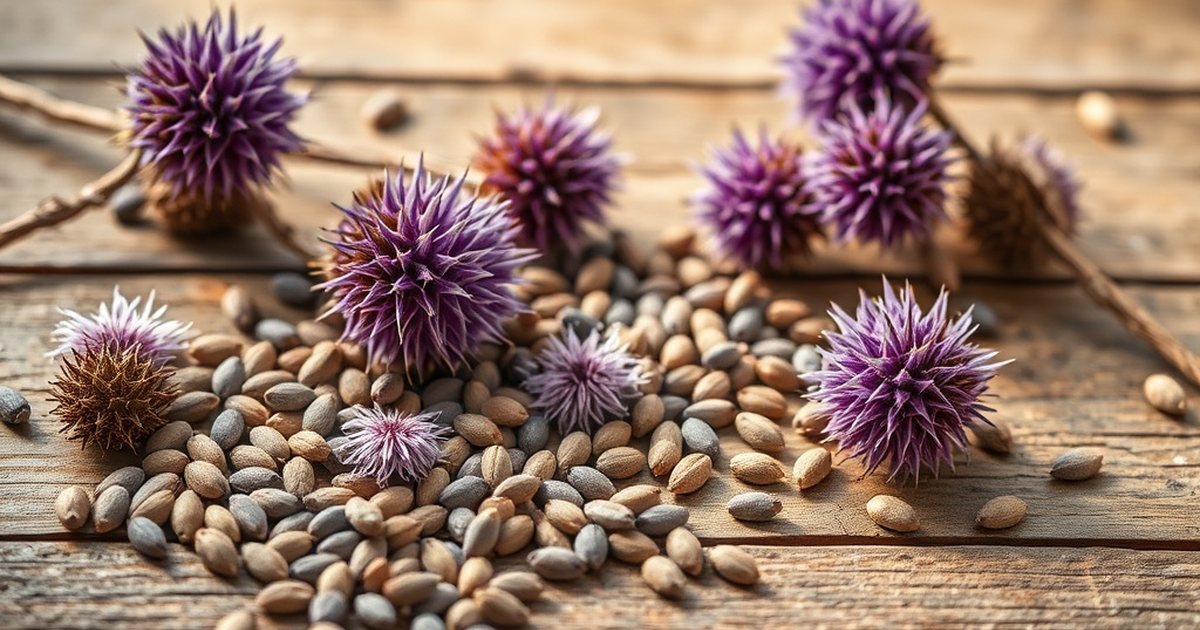
If a product recommends a specific schedule (e.g., twice daily with meals), following the label is reasonable since it reflects the dosing used in that product’s underlying formulation testing, rather than assuming all milk thistle products behave identically.

What the Research Has (and Hasn't) Tested Milk Thistle Doses For
Much of the clinical trial evidence on milk thistle relates to liver-supportive outcomes, and the overall body of trials has been described as mixed in quality, with some studies showing benefit and others showing none, underscoring that dose-response relationships are not firmly established [2].
Beyond liver-focused research, milk thistle extract has also been studied for other physiological effects at various doses: one study examined an immunostimulatory effect of Silybum marianum extract [3], another looked at effects of a standardized milk thistle extract (Silitidil) on serum prolactin levels in female rats [4], a combination of grape seed procyanidin extract and milk thistle silymarin extract has been studied in the context of lung cancer cell mechanisms involving MiR-663a and FHIT [5], and silymarin has been studied for a potential protective effect against radiocontrast-induced nephropathy in mice [6]. These are distinct research questions using different models (some animal-based) and different extract types, so none of them establish a single ‘correct’ human dose for general liver support, and results in animal or cell models do not automatically translate to humans.
Practical Guidance for Choosing a Dose
Start by reading the label of the specific product you have, since ‘milk thistle’ extracts differ in silymarin percentage and the ratio of individual flavonolignans (like silybin). A product’s clinical testing, if any, was likely done at a specific standardized dose, and taking meaningfully more or less than what’s studied means you’re outside the evidence base for that product.
If you’re new to milk thistle, starting at the lower end of a label’s suggested range and monitoring how you feel over a few weeks is a conservative approach. Because absorption and clearance happen over hours rather than days, missing an occasional dose is unlikely to be consequential, but consistency matters more than any single dose being exact [1].

Avoid stacking multiple milk thistle-containing products (a standalone supplement plus a multi-herb liver blend, for example) without knowing your total daily silymarin intake, since labels count differently and totals can add up quickly without you realizing it.
Milk Thistle (Silymarin) Dosage & Cost Calculator
Based on the labeled dose options for Pure Encapsulations Silymarin 250mg and the published 120-count bottle at $45.00.
Open the full dosage & cost calculator →
Estimate only – based on the current listed price of the 120-count Pure Encapsulations Silymarin 250mg bottle. Actual Amazon price can change; check the live price before buying.
Why no height/weight input? Unlike per-kg supplements (creatine, protein), Milk Thistle (Silymarin) has no published bodyweight-adjusted dosing in the research behind it. This calculator doesn't fabricate a per-kg formula that doesn't exist in the literature.
Get Pure Encapsulations Silymarin 250mg on Amazon(paid link) As an Amazon Associate we earn from qualifying purchases.
Who Should Be Cautious with Dosing
Silymarin can interact with medications metabolized by CYP450 liver enzymes, which includes some statins, diabetes medications, and hormonal therapies. Anyone on these medications should talk to a physician or pharmacist before starting milk thistle, regardless of the dose being considered.
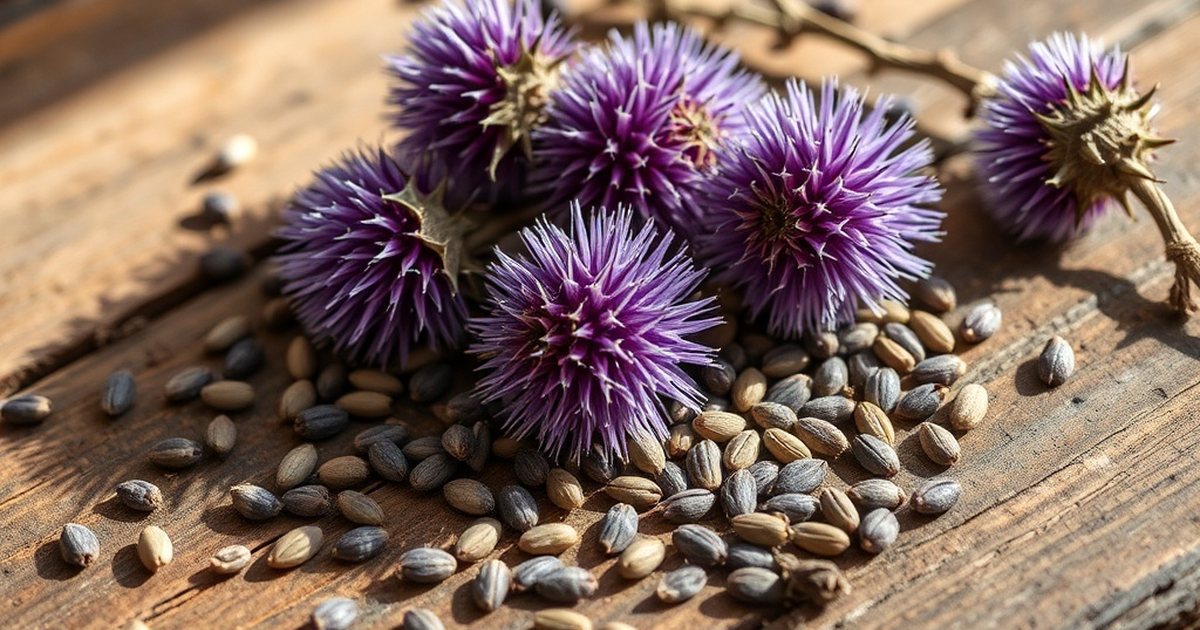
People with ragweed or Asteraceae plant family allergies, and those with a diagnosed liver disease, should also consult a physician first, since milk thistle is a member of that plant family and existing liver conditions warrant medical oversight rather than self-directed supplementation.
🛒 Where to Buy Milk Thistle (Silymarin)
- CleanseParasites Heavy Metal + Microplastics Binder Editor’s Pick
Contains milk thistle alongside spirulina, zeolite, and other binder herbs. - Thorne Siliphos (Silybin Phosphatidylcholine Complex)
capsules, 1 capsule (~120mg silybin-phosphatidylcholine complex) — Phospholipid complex form (silybin bound to phosphatidylcholine) for liver support - Jarrow Formulas Milk Thistle 150mg (Silymarin Standardized Extract)
capsules, 1 capsule (150mg, 80% silymarin) — Widely used, standard 80% silymarin extract at an accessible price - NOW Foods Silymarin Milk Thistle Extract 150mg
capsules, 1 capsule (150mg, 80% silymarin) — Made under NOW’s GMP Quality Assured program, budget-friendly staple brand with consistent standardization - Nature’s Way Milk Thistle Thisilyn Standardized Extract
capsules, 1 capsule (175mg, 80% silymarin) — Long-running standardized formula, one of the most established milk thistle brands in the US market
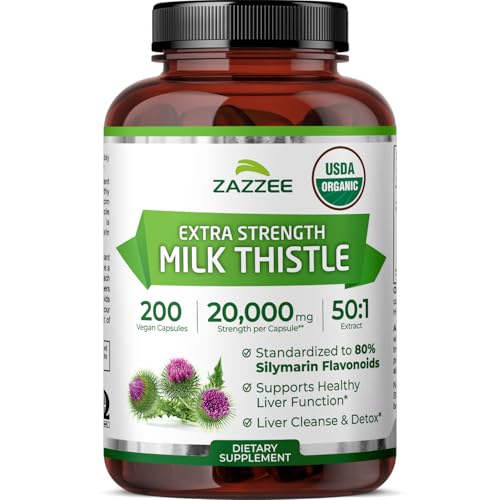
As an Amazon Associate we earn from qualifying purchases. Quality varies widely — always choose a product with a published third-party test (COA) before buying.
A Note on the Evidence
This article is informational, not medical advice; milk thistle supplements are not FDA-evaluated for safety or effectiveness and are not intended to diagnose, treat, cure, or prevent any disease. Talk to a physician before use if you take CYP450-metabolized medications, have a ragweed/Asteraceae allergy, or have a diagnosed liver condition.
Frequently Asked Questions
How much milk thistle should I take per day?
Most standardized extracts are labeled in a range of roughly 140-800 mg of silymarin daily, split into two or three doses, but the correct amount depends on your specific product’s standardization and the label instructions. Clinical trials reviewed in the literature have used inconsistent dosing protocols, so there is no single universally validated dose [2].
Should I take milk thistle with food?
There’s no strong evidence dictating this, though some people take it with meals for comfort or perceived absorption benefits. The cited pharmacokinetic research on oral silymarin absorption did not isolate food timing as a variable [1].
Is it better to split my milk thistle dose throughout the day?
Because silymarin flavonolignans are absorbed and cleared from plasma over a period of hours, splitting a daily total into two or three doses is a common practical approach, though this hasn’t been directly proven to change clinical outcomes compared to a single dose [1].

Does a higher dose of milk thistle work better?
Not necessarily. The trials reviewed used a range of doses and extract types with mixed results, so a higher dose isn’t automatically more effective, and taking more than what’s been studied for your specific product means you’re outside its evidence base [2].
Can I take milk thistle with my prescription medications?
Silymarin can interact with CYP450-metabolized drugs, including some statins, diabetes medications, and hormonal therapies. Talk to a physician or pharmacist before combining milk thistle with any prescription medication.
Is milk thistle dosing the same for everyone?
No. Appropriate use depends on the specific product’s standardization, your health status, and any medications you take. People with diagnosed liver disease or ragweed/Asteraceae allergies should consult a physician before determining a dose.
References
- Wen Z et al. Pharmacokinetics and metabolic profile of free, conjugated, and total silymarin flavonolignans in human plasma after oral administration of milk thistle extract. Drug metabolism and disposition: the biological fate of chemicals (2008). PMID 17913795
- Tamayo C et al. Review of clinical trials evaluating safety and efficacy of milk thistle (Silybum marianum [L.] Gaertn.). Integrative cancer therapies (2007). PMID 17548793
- Wilasrusmee C et al. Immunostimulatory effect of Silybum Marianum (milk thistle) extract. Medical science monitor : international medical journal of experimental and clinical research (2002). PMID 12444368
- Capasso R et al. Effect of Silitidil, a standardized extract of milk thistle, on the serum prolactin levels in female rats. Natural product communications (2014). PMID 25230499
- Mao JT et al. Combinations of grape seed procyanidin extract and milk thistle silymarin extract against lung cancer – The role of MiR-663a and FHIT. Life sciences (2023). PMID 36775115
- de Souza Santos V et al. Silymarin protects against radiocontrast-induced nephropathy in mice. Life sciences (2019). PMID 31047898
These statements have not been evaluated by the Food and Drug Administration. This information is not intended to diagnose, treat, cure, or prevent any disease. Content is for informational purposes only and is not medical advice; consult a qualified healthcare provider before starting any supplement. As an Amazon Associate we earn from qualifying purchases.