Milk thistle (Silybum marianum) is best known as a liver-support herb, but a smaller body of clinical research has also looked at its standardized seed extract, silymarin, for people with type 2 diabetes. The interest isn’t random: insulin resistance and fatty liver changes are closely linked, and several trials have measured whether silymarin affects fasting glucose, HbA1c, or lipid markers in diabetic patients, sometimes alongside standard medications like glibenclamide or metformin.
This article summarizes what those trials and reviews actually found, where the evidence is strongest, where it’s thin, and what the proposed mechanism looks like. It is not medical advice, and milk thistle should never be used as a substitute for prescribed diabetes treatment without a physician’s involvement.
Key Takeaways
- Several RCTs and a meta-analysis suggest silymarin may modestly improve glycemic markers in type 2 diabetes, often as an add-on to standard medication [1] [2]
- The proposed mechanism runs through reduced oxidative stress and improved insulin sensitivity, linked to silymarin’s liver-protective effects, not a direct glucose-lowering action [3] [4]
- Combination extracts (e.g., with Berberis aristata) show benefit in specific populations, such as statin-intolerant diabetics with high cholesterol [5]
- Poor natural bioavailability of silybin means formulation and dose vary widely across studies, complicating direct comparisons [6]
- This is adjunct-level evidence, not a substitute for prescribed diabetes treatment, and should be discussed with a physician, especially given CYP450 drug interaction potential
What the clinical trials found
Several small-to-moderate randomized controlled trials have tested silymarin in people with type 2 diabetes. A 2024 trial evaluating silymarin’s effect on lipid profile and glycemic control in type 2 diabetes patients found no significant difference in fasting blood sugar, HbA1c, or lipid profile [7]. An earlier triple-blinded RCT using a novel dose of Silybum marianum extract found lower glycemic indices and improved lipid profile among type 2 diabetes patients compared to placebo [8].

One of the earlier and more frequently cited studies added silymarin to glibenclamide therapy and found improvements in long-term glycemic control (HbA1c) and postprandial glucose, along with reductions in body mass index, compared to glibenclamide alone [2]. This suggests a possible adjunct role alongside, not instead of, standard oral diabetes medication.
A systematic review and meta-analysis of randomized controlled trials pooled this type of data and concluded that silymarin supplementation was associated with improvements in glycemic control measures in type 2 diabetes, while also noting variability in study quality and dosing across the included trials [1].
Combination formulas: berberine and Berberis aristata pairings
Some of the more interesting data comes from combination studies rather than milk thistle alone. A pilot study looked at berberine plus standard type 2 diabetes agents in patients with suboptimal glycemic control and found additive benefits when berberine was added to existing therapy [9]. Silymarin itself was not the primary agent in that study, but it illustrates the broader interest in plant-derived adjuncts for glycemic control.
More directly relevant is a study of a fixed combination of standardized Berberis aristata and Silybum marianum extracts in diabetic and hypercholesterolemic patients who were intolerant to statins. That combination was associated with improvements in both glycemic and lipid parameters in this specific patient population [5]. This is a narrower use case, patients who can’t tolerate statins, so it doesn’t generalize to all type 2 diabetics.

The proposed mechanism: insulin resistance and oxidative stress
The mechanistic case for silymarin in diabetes rests heavily on its relationship to insulin resistance and oxidative stress rather than a direct blood-sugar-lowering action like a drug. A review focused specifically on silymarin as an ally against insulin resistance describes proposed antioxidant and anti-inflammatory effects on hepatocytes and peripheral tissue that could, in theory, improve insulin sensitivity over time [3].
This ties back to silymarin’s original reputation in liver health. Non-alcoholic fatty liver disease (NAFLD) and insulin resistance are metabolically intertwined, and oxidative stress is considered a contributing factor connecting NAFLD to broader cardiometabolic disease, including atherosclerosis [4]. A silybin-vitamin E-phospholipid complex studied in NAFLD patients showed improvements in insulin resistance markers and liver enzymes in a preliminary trial [10], and a separate randomized controlled trial of silybin combined with phosphatidylcholine and vitamin E in NAFLD patients reported similar favorable changes in liver and metabolic markers [11].
Together, these findings support a plausible but indirect mechanism: by reducing oxidative stress and supporting hepatocyte function, silymarin may improve the metabolic environment that underlies insulin resistance, rather than acting as a direct glucose-lowering compound the way metformin or sulfonylureas do.

Why absorption and formulation matter
One recurring limitation across silymarin research is bioavailability. Silybin, the primary active flavonolignan in silymarin, is poorly absorbed on its own, which has led researchers to develop phospholipid complexes and other delivery formats to improve absorption [6]. This matters clinically because trials using different formulations and doses are not directly comparable, part of why the meta-analysis noted variability across studies [1].
Newer approaches, including nanoformulations of natural products for metabolic syndrome, are being explored specifically to address this absorption problem and potentially improve consistency of effect [12]. For now, this means the dose and formulation used in a given study (or product) can meaningfully affect whether a benefit is seen at all.
What this means in practice
The available evidence suggests mixed results for silymarin as an adjunct for glycemic control in type 2 diabetes, and the 2024 open-label trial found no significant difference in fasting blood sugar or HbA1c [2] [8] [7]. The meta-analysis-level evidence is supportive but tempered by small sample sizes, short study durations, and formulation differences [1].
It is not a replacement for metformin, insulin, or other prescribed diabetes therapy, and no study suggests it should be used that way. Anyone considering it should treat it as a potential complement to, not a substitute for, medical management of diabetes.
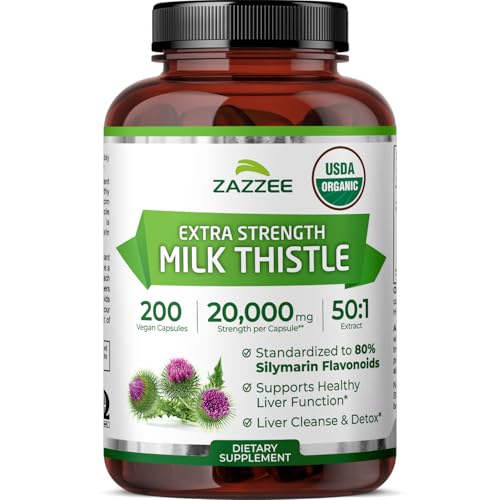
🛒 Where to Buy Milk Thistle (Silymarin)
- CleanseParasites Heavy Metal + Microplastics Binder Editor’s Pick
Contains milk thistle alongside spirulina, zeolite, and other binder herbs. - Thorne Siliphos (Silybin Phosphatidylcholine Complex)
capsules, 1 capsule (~120mg silybin-phosphatidylcholine complex) — Phospholipid complex form (silybin bound to phosphatidylcholine) for liver support - Jarrow Formulas Milk Thistle 150mg (Silymarin Standardized Extract)
capsules, 1 capsule (150mg, 80% silymarin) — Widely used, standard 80% silymarin extract at an accessible price - NOW Foods Silymarin Milk Thistle Extract 150mg
capsules, 1 capsule (150mg, 80% silymarin) — Made under NOW’s GMP Quality Assured program, budget-friendly staple brand with consistent standardization - Nature’s Way Milk Thistle Thisilyn Standardized Extract
capsules, 1 capsule (175mg, 80% silymarin) — Long-running standardized formula, one of the most established milk thistle brands in the US market
As an Amazon Associate we earn from qualifying purchases. Quality varies widely — always choose a product with a published third-party test (COA) before buying.
A Note on the Evidence
This evidence is based on a limited number of small-to-moderate trials with variable formulations and durations, so findings shouldn’t be treated as definitive. Milk thistle is not FDA-evaluated for safety or effectiveness, can interact with CYP450-metabolized medications, and anyone with diagnosed liver disease, ragweed allergies, or on diabetes/statin/hormonal medications should consult a physician before use.

Frequently Asked Questions
Can milk thistle replace my diabetes medication?
No. The clinical trials that show benefit tested silymarin as an addition to existing therapy, such as glibenclamide, not as a replacement [2]. Nothing in this evidence supports stopping prescribed diabetes medication.
How much does milk thistle actually lower blood sugar?
Effects reported across trials are modest and vary by study and formulation; one trial reported improved postprandial and long-term glycemic control when added to a sulfonylurea [2], while a meta-analysis found overall favorable but variable results [1]. It is not comparable in magnitude to standard glucose-lowering drugs.
Does milk thistle help because of its liver effects or a direct effect on blood sugar?
The proposed mechanism is indirect, working through reduced oxidative stress and improved insulin sensitivity tied to liver health, rather than a direct pancreatic or glucose-transport effect [3] [10].
Is milk thistle safe to combine with metformin or other diabetes drugs?
Silymarin can interact with CYP450-metabolized medications, which includes some diabetes drugs, statins, and hormonal therapies. Anyone on these medications should consult a physician before adding milk thistle, since combined effects on blood sugar and drug metabolism haven’t been fully characterized.

Why do different milk thistle products seem to work differently?
Silybin, the main active compound, absorbs poorly on its own, and manufacturers use different delivery formats (such as phospholipid complexes) to improve this [6] [12]. Products with different formulations and doses are not interchangeable, which likely explains some inconsistency across studies.
Who should avoid milk thistle for blood sugar support?
People with diagnosed liver disease, ragweed/Asteraceae allergies, or those on CYP450-metabolized medications should consult a physician first. Milk thistle supplements are not FDA-evaluated for safety or effectiveness and aren’t intended to diagnose, treat, cure, or prevent diabetes or any disease.
References
- Voroneanu L et al. Silymarin in Type 2 Diabetes Mellitus: A Systematic Review and Meta-Analysis of Randomized Controlled Trials. Journal of diabetes research (2016). PMID 27340676
- Hussain SA et al. Silymarin as an adjunct to glibenclamide therapy improves long-term and postprandial glycemic control and body mass index in type 2 diabetes. Journal of medicinal food (2007). PMID 17887949
- MacDonald-Ramos K et al. Silymarin is an ally against insulin resistance: A review. Annals of hepatology (2021). PMID 32950646
- Polimeni L et al. Oxidative stress: New insights on the association of non-alcoholic fatty liver disease and atherosclerosis. World journal of hepatology (2015). PMID 26052378
- Di Pierro F et al. Clinical role of a fixed combination of standardized Berberis aristata and Silybum marianum extracts in diabetic and hypercholesterolemic patients intolerant to statins. Diabetes, metabolic syndrome and obesity : targets and therapy (2015). PMID 25678808
- Di Costanzo A et al. Formulation Strategies for Enhancing the Bioavailability of Silymarin: The State of the Art. Molecules (Basel, Switzerland) (2019). PMID 31181687
- Ferdowsi S et al. Effect of silymarin on lipid profile and glycemic control in patients with type 2 diabetes mellitus. Phytotherapy research : PTR (2024). PMID 39101762
- Ebrahimpour-Koujan S et al. Lower glycemic indices and lipid profile among type 2 diabetes mellitus patients who received novel dose of Silybum marianum (L.) Gaertn. (silymarin) extract supplement: A Triple-blinded randomized controlled clinical trial. Phytomedicine : international journal of phytotherapy and phytopharmacology (2018). PMID 29895491
- Di Pierro F et al. Pilot study on the additive effects of berberine and oral type 2 diabetes agents for patients with suboptimal glycemic control. Diabetes, metabolic syndrome and obesity : targets and therapy (2012). PMID 22924000
- Federico A et al. A new silybin-vitamin E-phospholipid complex improves insulin resistance and liver damage in patients with non-alcoholic fatty liver disease: preliminary observations. Gut (2006). PMID 16698763
- Loguercio C et al. Silybin combined with phosphatidylcholine and vitamin E in patients with nonalcoholic fatty liver disease: a randomized controlled trial. Free radical biology & medicine (2012). PMID 22343419
- Taghipour YD et al. Nanoformulations of natural products for management of metabolic syndrome. International journal of nanomedicine (2019). PMID 31406461
These statements have not been evaluated by the Food and Drug Administration. This information is not intended to diagnose, treat, cure, or prevent any disease. Content is for informational purposes only and is not medical advice; consult a qualified healthcare provider before starting any supplement. As an Amazon Associate we earn from qualifying purchases.