Milk thistle (Silybum marianum) is best known as a liver-support herb, but a fair number of people ask about it for a different reason: their lipid panel. Total cholesterol, LDL, triglycerides, sometimes all three flagged at once, and a search for something gentler than starting a statin. Silymarin, the flavonolignan complex extracted from milk thistle seed, does show up in cardiometabolic research, so the question is reasonable.
The honest answer is nuanced. Some human trials and pooled analyses report modest improvements in lipid markers, particularly in people with type 2 diabetes or existing dyslipidemia, and particularly when silymarin is combined with other agents rather than used alone. Other supporting data comes from animal and poultry studies that describe lipid-peroxidation effects, which are mechanistically interesting but not the same as a human lipid panel changing. This article separates what has been measured in people from what has only been shown in other contexts.
Key Takeaways
- Human trial evidence for silymarin and lipids is concentrated in people with type 2 diabetes or existing dyslipidemia, not the general population [1] [2]
- The strongest combination results pair silymarin with berberine or monacolin K, making it hard to credit silymarin alone for the lipid changes seen [3] [4]
- A dose-response meta-analysis found silymarin’s cardiovascular risk factor effects vary by dose, a reassuring sign but not a guarantee of individual results [5]
- Several supporting studies are animal or poultry research, not human data, and should not be read as proof of a human cholesterol effect [6] [7] [8] [9]
- Milk thistle has not been shown to replace statins or other prescribed lipid therapy and is not FDA-evaluated for this or any use
How milk thistle is thought to touch lipid metabolism
The proposed effects on cholesterol are downstream of the same mechanisms proposed for liver support: silybin and related flavonolignans act as antioxidants and appear to stabilize hepatocyte cell membranes, and the liver is the organ that synthesizes cholesterol, packages lipoproteins, and clears LDL particles from circulation. Reducing oxidative stress and inflammatory signaling in the liver is the mechanistic bridge researchers use to explain why a liver-support herb might also move a lipid panel.

This is a plausible pathway, not a proven one in isolation. Much of the lipid-peroxidation data behind this mechanism comes from animal models rather than controlled human trials, so it should be read as ‘a reasonable hypothesis for why an effect might occur’ rather than ‘confirmed mechanism in humans.’
What human trials in people with diabetes or dyslipidemia show
The most direct human evidence comes from trials in people who already have metabolic dysfunction. A triple-blinded randomized controlled trial in patients with type 2 diabetes found that a novel-dose silymarin extract supplement was associated with improved lipid profile measures alongside lower glycemic indices [1]. A systematic review and meta-analysis of clinical trials in type 2 diabetes similarly reported improvements in metabolic status and oxidative stress markers with silymarin supplementation [2].
A separate randomized controlled trial of a herbal compound in diabetic patients with uncontrolled dyslipidemia reported improved metabolic parameters [10]. Taken together, this cluster of trials suggests silymarin-containing supplementation may nudge lipid and metabolic markers in a favorable direction specifically in people who already have diabetes or dyslipidemia, populations where baseline lipid abnormalities and oxidative stress are more pronounced and therefore have more room to improve.
What a broader dose-response analysis and network meta-analysis show
Zooming out from single-population trials, a 2024 systematic review and dose-response meta-analysis specifically evaluated silymarin’s impact on cardiovascular risk factors and found associations with improvements in lipid-related markers, with the effect size varying by dose [5]. This kind of dose-response modeling is more informative than a single trial because it tests whether the effect scales with amount taken, which is one signal (though not proof) of a real pharmacological effect rather than noise.

A network meta-analysis comparing multiple nutraceuticals’ effects on lipid profile in adults included silymarin among the compounds assessed, situating it within the broader field of supplement options that have been studied for lipid management [11]. Network meta-analyses are useful for ranking relative effect sizes across compounds, but they inherit the limitations of the underlying trials they pool, including variable dose, duration, and population.
Milk thistle rarely stands alone: combination formulas
A recurring pattern in this literature is that silymarin is frequently studied as part of a combination rather than as a standalone lipid intervention. A study in hypercholesterolemic patients evaluated a nutraceutical combination of monacolin K (a red yeast rice compound structurally related to statins), berberine, and silymarin, and reported effects on lipid profile and PCSK9 plasma levels [3]. Because monacolin K acts through the same pathway as statin drugs, it is difficult to isolate silymarin’s independent contribution to the lipid changes seen in that combination.
A meta-analysis and systematic review of a fixed combination of Berberis aristata (berberine) and Silybum marianum reported effects on dyslipidemia [4]. Berberine itself has a more established independent evidence base for lipid effects, so again, the silymarin component’s specific contribution within the combination is hard to isolate from these study designs.

A more recent prospective clinical study looked at silymarin combined with vitamin E and essential phospholipids in patients with MASLD (metabolic dysfunction-associated steatotic liver disease), reporting effects on hepatic steatosis, fibrosis, and metabolic parameters [12]. This reinforces the pattern that silymarin’s cardiometabolic signal in humans has mostly been measured as one ingredient among several, in populations who already have liver or metabolic disease.
What comes from animal and poultry research, not human data
Several pieces of supporting evidence in this space come from animal models, and it is worth being explicit about that distinction rather than blending them in with human trial results. A rat study of milk thistle combined with artichoke examined effects on nonalcoholic fatty liver disease in type 2 diabetic rats [6]. Poultry research has looked at milk thistle meal or seed effects on blood lipid peroxidation and liver health in laying hens [7] [8], and on protecting against aflatoxin B1 toxicity in broilers [9].
These animal and livestock studies are useful for understanding mechanism and for agricultural applications, but they do not establish that a human lipid panel will change the same way. Effect sizes, dosing, and metabolism differ substantially between species, and a poultry feed-additive result is not evidence of a human cholesterol effect.
Where this leaves someone looking at their own lipid panel
The most defensible summary is that silymarin has a plausible, partially supported signal for modest lipid improvements, concentrated in people with type 2 diabetes, dyslipidemia, or fatty liver disease, and most consistently demonstrated when combined with other lipid-active compounds like berberine or monacolin K rather than used alone [5] [3] [4]. It is not demonstrated as a standalone replacement for diet, exercise, or prescribed lipid-lowering medication, and the trial sizes and durations in this space are generally modest.
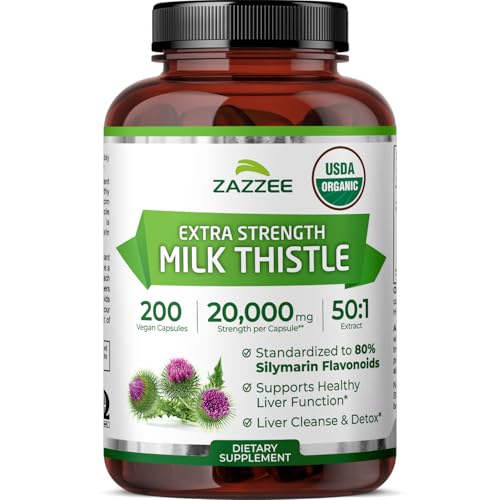
🛒 Where to Buy Milk Thistle (Silymarin)
- CleanseParasites Heavy Metal + Microplastics Binder Editor’s Pick
Contains milk thistle alongside spirulina, zeolite, and other binder herbs. - Thorne Siliphos (Silybin Phosphatidylcholine Complex)
capsules, 1 capsule (~120mg silybin-phosphatidylcholine complex) — Phospholipid complex form (silybin bound to phosphatidylcholine) for liver support - Jarrow Formulas Milk Thistle 150mg (Silymarin Standardized Extract)
capsules, 1 capsule (150mg, 80% silymarin) — Widely used, standard 80% silymarin extract at an accessible price - NOW Foods Silymarin Milk Thistle Extract 150mg
capsules, 1 capsule (150mg, 80% silymarin) — Made under NOW’s GMP Quality Assured program, budget-friendly staple brand with consistent standardization - Nature’s Way Milk Thistle Thisilyn Standardized Extract
capsules, 1 capsule (175mg, 80% silymarin) — Long-running standardized formula, one of the most established milk thistle brands in the US market
As an Amazon Associate we earn from qualifying purchases. Quality varies widely — always choose a product with a published third-party test (COA) before buying.
A Note on the Evidence
This evidence base is smaller than that for prescription lipid therapies, mixes human and animal data, and mostly reflects specific populations (diabetes, dyslipidemia, fatty liver) rather than healthy adults. Milk thistle is not FDA-evaluated for safety or effectiveness and is not intended to diagnose, treat, cure, or prevent any disease; it can interact with CYP450-metabolized medications including some statins, diabetes drugs, and hormonal therapies, and anyone with a ragweed/Asteraceae allergy or diagnosed liver disease should consult a physician before use. This article is informational, not medical advice.

Frequently Asked Questions
Does milk thistle lower LDL cholesterol on its own?
The clearest human data comes from trials where silymarin was combined with other compounds like berberine or monacolin K, or studied in people with diabetes and dyslipidemia [3] [1]. Standalone LDL-lowering in otherwise healthy adults is not well established.
Is milk thistle a substitute for statins?
No. None of the available evidence positions silymarin as a replacement for prescribed lipid-lowering medication; some combination studies pair it with monacolin K, a statin-like compound, rather than testing silymarin as an alternative to statins [3]. Anyone on statin therapy should discuss any supplement change with their prescriber.
Does milk thistle help triglycerides specifically?
Some of the pooled cardiovascular risk factor analyses include triglycerides among the lipid markers assessed, with effects that appear dose-dependent [5]. Effects are not uniform across all trials and populations.
Does milk thistle help people with diabetes and high cholesterol together?
This is where the human evidence is most concentrated. Multiple trials in type 2 diabetes populations report improvements in both glycemic and lipid markers with silymarin supplementation [1] [2] [10].

Are the animal studies on milk thistle and lipids relevant to people?
They inform the proposed mechanism (antioxidant effects reducing lipid peroxidation) but were conducted in rats, laying hens, and broilers, not humans, so they should not be treated as direct evidence of a human cholesterol effect [6] [7] [8] [9].
How long do lipid studies on silymarin typically run, and does that matter?
Most of the cited trials are short-to-moderate duration clinical studies in specific patient populations rather than long-term outcome trials, and lipid panels can shift for reasons unrelated to any single supplement. A single lab draw before and after a short trial is a real signal but not the same as long-term cardiovascular outcome data.
References
- Ebrahimpour-Koujan S et al. Lower glycemic indices and lipid profile among type 2 diabetes mellitus patients who received novel dose of Silybum marianum (L.) Gaertn. (silymarin) extract supplement: A Triple-blinded randomized controlled clinical trial. Phytomedicine : international journal of phytotherapy and phytopharmacology (2018). PMID 29895491
- Hadi A et al. The effects of silymarin supplementation on metabolic status and oxidative stress in patients with type 2 diabetes mellitus: A systematic review and meta-analysis of clinical trials. Complementary therapies in medicine (2018). PMID 30477860
- Formisano E et al. Efficacy of Nutraceutical Combination of Monacolin K, Berberine, and Silymarin on Lipid Profile and PCSK9 Plasma Level in a Cohort of Hypercholesterolemic Patients. Journal of medicinal food (2020). PMID 31663806
- Tóth B et al. The Effects of a Fixed Combination of Berberis aristata and Silybum marianum on Dyslipidaemia – A Meta-analysis and Systematic Review. Planta medica (2020). PMID 31784970
- Mohammadi S et al. Impacts of Supplementation with Silymarin on Cardiovascular Risk Factors: A Systematic Review and Dose-Response Meta-Analysis. Antioxidants (Basel, Switzerland) (2024). PMID 38671838
- Doostkam A et al. Therapeutic Effects of Milk Thistle (Silybum marianum L.) and Artichoke (Cynara scolymus L.) on Nonalcoholic Fatty Liver Disease in Type 2 Diabetic Rats. Canadian journal of gastroenterology & hepatology (2022). PMID 35186807
- Hashemi Jabali NS et al. Effects of milk thistle meal on performance, ileal bacterial enumeration, jejunal morphology and blood lipid peroxidation in laying hens fed diets with different levels of metabolizable energy. Journal of animal physiology and animal nutrition (2018). PMID 28608581
- Zhu Y et al. Dietary herbaceous mixture supplementation reduced hepatic lipid deposition and improved hepatic health status in post-peak laying hens. Poultry science (2022). PMID 35472740
- Amiridumari H et al. Effects of milk thistle seed against aflatoxin B1 in broiler model. Journal of research in medical sciences : the official journal of Isfahan University of Medical Sciences (2013). PMID 24381623
- Ghorbani A et al. A Randomized Controlled Trial of a Herbal Compound for Improving Metabolic Parameters in Diabetic Patients with Uncontrolled Dyslipidemia. Endocrine, metabolic & immune disorders drug targets (2019). PMID 30727929
- Osadnik T et al. A network meta-analysis on the comparative effect of nutraceuticals on lipid profile in adults. Pharmacological research (2022). PMID 35988871
- Gheonea DI et al. Therapeutic Efficacy of Silymarin, Vitamin E, and Essential Phospholipid Combination Therapy on Hepatic Steatosis, Fibrosis, and Metabolic Parameters in MASLD Patients: A Prospective Clinical Study. International journal of molecular sciences (2025). PMID 40564891
These statements have not been evaluated by the Food and Drug Administration. This information is not intended to diagnose, treat, cure, or prevent any disease. Content is for informational purposes only and is not medical advice; consult a qualified healthcare provider before starting any supplement. As an Amazon Associate we earn from qualifying purchases.