Milk thistle (Silybum marianum) seed extract, standardized to the flavonolignan complex silymarin, is one of the most widely used herbal supplements marketed for liver support. Once you decide to try it, the next question is usually practical rather than scientific: capsule, liquid tincture, or raw powder?
Each form delivers the same underlying compound, but they differ in standardization, dosing precision, taste, cost, and how conveniently they fit into daily life. This article compares the three formats honestly, without claiming one is clinically superior, since head-to-head bioavailability studies comparing commercial capsule, liquid, and powder products are not well established in the literature we can point to.
Key Takeaways
- Capsules, liquid extract, and powder all deliver the same core compound (silymarin), but differ in standardization, dosing precision, and convenience, not proven clinical superiority.
- Standardization percentage (commonly 70-80% silymarin) on the label matters more than the format itself.
- Capsules offer the most consistent, trackable dosing; liquids offer flexible dosing but a strong taste and often alcohol content; powder is usually the least standardized.
- Milk thistle is not FDA-evaluated for safety or effectiveness in any form, and can interact with CYP450-metabolized medications.
- Anyone with ragweed/Asteraceae allergies or diagnosed liver disease should consult a physician before use, regardless of the form chosen.
What Milk Thistle Actually Is, and Why Form Matters
Milk thistle seeds contain silymarin, a mixture of flavonolignans (primarily silybin, also called silibinin, along with isosilybin, silychristin, and silydianin)[1]. Silymarin is thought to support hepatocytes (liver cells) through antioxidant activity, stabilization of cell membranes, and mild anti-inflammatory effects[2]. It is not a drug, and it is not FDA-evaluated for safety or effectiveness, nor is it intended to diagnose, treat, cure, or prevent any disease.
Because silybin is poorly water-soluble and has limited natural bioavailability, how a product is processed and standardized can matter more than whether it comes in a capsule, liquid, or powder[3][4]. A capsule with a low percentage of standardized silymarin may deliver less active compound than a well-standardized liquid extract, and vice versa. Format is really a proxy for manufacturing choices, not a guarantee of potency on its own.
Capsules: Convenience and Standardization
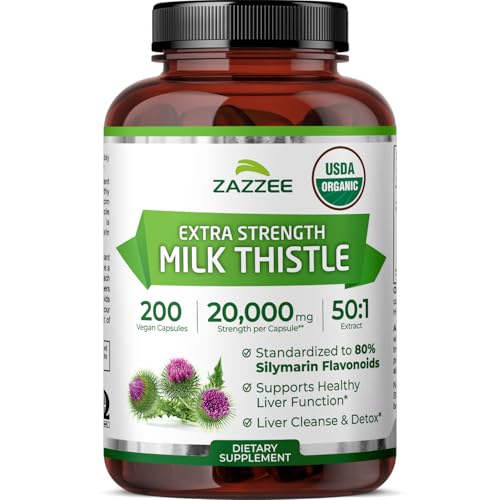
Capsules are the most common retail form. Reputable brands typically standardize to a specific silymarin percentage (commonly 70-80%), which lets you compare dose to dose in milligrams[5]. This makes capsules relatively easy to track consistently day to day, especially for people already taking other pills or supplements.

The main tradeoffs: capsules can vary quite a bit by brand in silymarin concentration and filler quality, and swallowing pills isn’t ideal for everyone. They also don’t allow easy dose adjustment, since you’re generally limited to whole-capsule increments unless the product allows opening and splitting.
Liquid Extract (Tincture): Flexible Dosing, Variable Taste
Liquid extracts, usually alcohol- or glycerin-based tinctures, allow for fine-tuned dosing by the drop or milliliter, which can be useful for titrating a dose upward gradually or for people who prefer not to swallow capsules. Some proponents argue that liquids may be absorbed slightly faster since there’s no capsule shell to dissolve first, though we are not aware of well-established comparative absorption data specific to commercial milk thistle liquid products versus capsules.
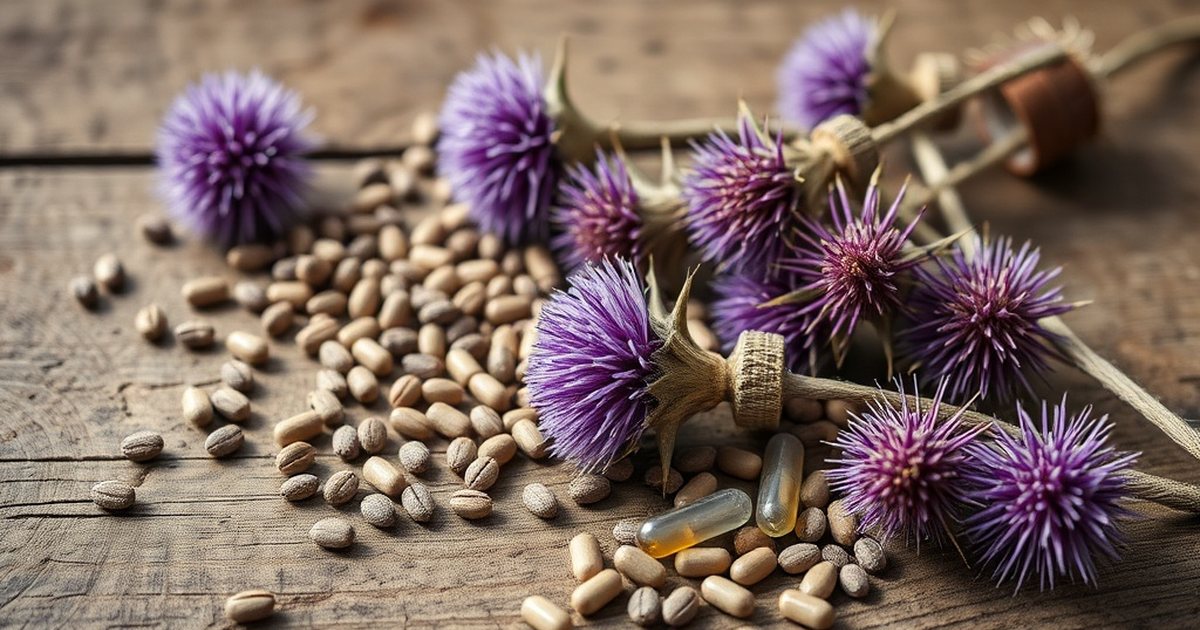
The downsides are practical: milk thistle tinctures have a notably bitter, earthy taste that some people find unpleasant, alcohol-based versions aren’t suitable for everyone (including those avoiding alcohol for personal, religious, or medical reasons), and it’s harder to standardize an exact silymarin content per drop compared to a manufactured capsule with a stated percentage.
Powder: Lowest Cost, Least Standardization
Raw or ground milk thistle seed powder is typically the least processed and often the least expensive option per gram. It can be mixed into smoothies or food. However, raw powder generally has not been standardized for silymarin content, meaning the actual dose of active flavonolignans per teaspoon is unpredictable and can vary significantly by batch, growing conditions, and processing.
For someone specifically seeking a standardized silymarin intake (as used in most research and most clinical formulations), unstandardized powder is the hardest format to dose reliably. Powder may appeal more to people using milk thistle as a general dietary addition rather than pursuing a specific standardized dose.

How to Choose Based on Your Priorities
If consistent, trackable dosing matters most, a standardized capsule product with a clearly labeled silymarin percentage is usually the most straightforward choice. If you have difficulty swallowing pills or want to adjust dose incrementally, a liquid extract may fit better, provided you can tolerate the taste and any alcohol content. If cost and simplicity are the priority and you’re comfortable with dosing uncertainty, powder is an option, though it’s the hardest to standardize.
Regardless of form, look for third-party testing or a clearly stated standardization percentage (commonly 70-80% silymarin) on the label. A product that doesn’t disclose this information makes it difficult to know what dose of active compound you’re actually taking, which matters more than the format itself.
Safety Considerations Across All Forms
Milk thistle in any form is not FDA-evaluated for safety or effectiveness. It can interact with medications metabolized through the CYP450 enzyme system, including some statins, diabetes medications, and hormonal therapies[6][7]. People with ragweed or Asteraceae family allergies, or those with a diagnosed liver disease, should talk to a physician before starting milk thistle in any form.
Liquid tinctures carry the additional consideration of alcohol content for those who need to avoid it, while unstandardized powders carry more uncertainty about actual dose consumed. None of these formats has been shown to be inherently safer than another; the safety profile depends more on the individual product, dose, and your personal health situation.

🛒 Where to Buy Milk Thistle (Silymarin)
- CleanseParasites Heavy Metal + Microplastics Binder Editor’s Pick
Contains milk thistle alongside spirulina, zeolite, and other binder herbs. - Thorne Siliphos (Silybin Phosphatidylcholine Complex)
capsules, 1 capsule (~120mg silybin-phosphatidylcholine complex) — Phospholipid complex form (silybin bound to phosphatidylcholine) for liver support - Jarrow Formulas Milk Thistle 150mg (Silymarin Standardized Extract)
capsules, 1 capsule (150mg, 80% silymarin) — Widely used, standard 80% silymarin extract at an accessible price - NOW Foods Silymarin Milk Thistle Extract 150mg
capsules, 1 capsule (150mg, 80% silymarin) — Made under NOW’s GMP Quality Assured program, budget-friendly staple brand with consistent standardization - Nature’s Way Milk Thistle Thisilyn Standardized Extract
capsules, 1 capsule (175mg, 80% silymarin) — Long-running standardized formula, one of the most established milk thistle brands in the US market
As an Amazon Associate we earn from qualifying purchases. Quality varies widely — always choose a product with a published third-party test (COA) before buying.
A Note on the Evidence
This article is informational, not medical advice, and reflects general product-format considerations rather than clinical evidence comparing these specific formats[8]. Milk thistle is not FDA-evaluated for safety or effectiveness; consult a physician before use if you take CYP450-metabolized medications, have a ragweed/Asteraceae allergy, or have diagnosed liver disease.
Frequently Asked Questions
Is liquid milk thistle absorbed faster than capsules?
This is a common claim, but we are not aware of well-established head-to-head bioavailability research comparing commercial liquid extracts to capsules specifically. Absorption likely depends more on formulation quality and standardization than on liquid versus capsule format alone.
Which form has the highest silymarin content?
There’s no inherent format advantage; a capsule, liquid, or powder can each be standardized to a stated silymarin percentage. Check the label for a specific percentage (commonly 70-80%) rather than assuming one format is automatically stronger.
Can I just use raw milk thistle powder instead of a standardized product?
You can, but raw powder is typically not standardized for silymarin content, so the actual active dose per serving is unpredictable and can vary by batch. If consistent dosing matters to you, a standardized capsule or liquid is usually easier to track.
Does milk thistle liquid extract contain alcohol?
Many traditional tinctures use alcohol as the extraction solvent and preservative, though glycerin-based (alcohol-free) versions exist. Check the label if you need to avoid alcohol.
Is one form safer than another?
No format has been shown to be inherently safer. Milk thistle in any form is not FDA-evaluated for safety or effectiveness and can interact with CYP450-metabolized medications, including some statins, diabetes drugs, and hormonal therapies.
How do I know how much silymarin I'm actually getting?
Look for a clearly stated standardization percentage on the label (commonly 70-80% silymarin) and, ideally, third-party testing. Without this information, it’s difficult to know your actual active-compound dose in any format, capsule, liquid, or powder.
References
- Lee JI et al. Separation and characterization of silybin, isosilybin, silydianin and silychristin in milk thistle extract by liquid chromatography-electrospray tandem mass spectrometry. Journal of chromatography. A (2006). PMID 16631762
- Wadhwa K et al. Mechanistic Insights into the Pharmacological Significance of Silymarin. Molecules (Basel, Switzerland) (2022). PMID 36014565
- Barzaghi N et al. Pharmacokinetic studies on IdB 1016, a silybin- phosphatidylcholine complex, in healthy human subjects. European journal of drug metabolism and pharmacokinetics (1990). PMID 2088770
- Li X et al. Silymarin and Silybin: Rejuvenating Traditional Remedies with Modern Delivery Strategies. Pharmaceutics (2025). PMID 41471139
- Sarma N et al. Pharmacopeial Standards for the Quality Control of Botanical Dietary Supplements in the United States. Journal of dietary supplements (2023). PMID 34699287
- Sridar C et al. Silybin inactivates cytochromes P450 3A4 and 2C9 and inhibits major hepatic glucuronosyltransferases. Drug metabolism and disposition: the biological fate of chemicals (2004). PMID 15155549
- Brantley SJ et al. Two flavonolignans from milk thistle (Silybum marianum) inhibit CYP2C9-mediated warfarin metabolism at clinically achievable concentrations. The Journal of pharmacology and experimental therapeutics (2010). PMID 19934397
- Rambaldi A et al. Milk thistle for alcoholic and/or hepatitis B or C virus liver diseases. The Cochrane database of systematic reviews (2007). PMID 17943794
These statements have not been evaluated by the Food and Drug Administration. This information is not intended to diagnose, treat, cure, or prevent any disease. Content is for informational purposes only and is not medical advice; consult a qualified healthcare provider before starting any supplement. As an Amazon Associate we earn from qualifying purchases.