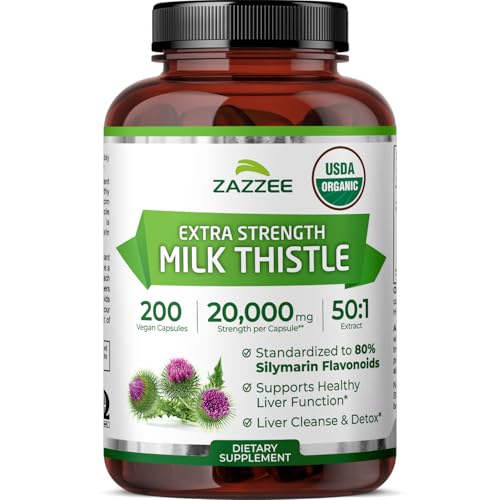
Walk down any supplement aisle and you’ll see milk thistle capsules boasting ‘80% silymarin standardized extract.’ That phrase sounds precise and reassuring, like a lab-verified promise of potency. In reality, it describes one specific thing: the proportion of the seed extract that consists of a group of compounds called silymarin, measured at the time of manufacturing. It says nothing about dose per capsule, which individual flavonolignans are present, how the extract was tested, or whether the product will do anything measurable for your liver.
This article breaks down what ‘80% silymarin’ actually refers to, why standardization exists, what it doesn’t tell you, and how to read a label more critically. Milk thistle (Silybum marianum) supplements are not evaluated by the FDA for safety or effectiveness, and none of this is medical advice — it’s a guide to label literacy.
Key Takeaways
- ‘80% silymarin standardized’ describes the concentration of the flavonolignan complex in the extract, not the milligram dose you receive or the product’s effectiveness.
- Two products with the same percentage can still differ in silybin content, flavonolignan ratio, and absorption, since the label doesn’t specify these details.
- Calculate actual silymarin dose by multiplying total extract weight by the standardization percentage; don’t rely on the percentage alone.
- Standardization is a manufacturing consistency measure, not an FDA-reviewed safety or efficacy claim.
- Milk thistle can interact with CYP450-metabolized medications, check with a physician if you take prescription drugs or have liver disease.
Silymarin Is a Mixture, Not a Single Molecule
Silymarin is not one chemical. It’s a complex of related compounds called flavonolignans, extracted from milk thistle seeds, with silybin (also spelled silibinin) typically making up the largest share, alongside isosilybin, silychristin, silydianin, and others. When a label says ‘80% silymarin,’ it means that roughly 80% of the dry extract’s weight is this mixed complex of flavonolignans, not that 80% of the product is pure silybin.
The exact ratio of silybin to the other flavonolignans can vary between manufacturers, seed sources, and extraction methods, even when two products both list ‘80% silymarin.’ Two capsules with an identical percentage on the label can still differ in their underlying chemical makeup, because the standardization number describes a total, not a fixed recipe.
Why Manufacturers Standardize the Extract at All
Standardization exists to solve a real problem: raw milk thistle seed is a natural product, and the silymarin content of unprocessed seed varies with growing conditions, harvest timing, and plant genetics. Without any processing standard, one batch of ground seed could contain meaningfully more or less active compound than the next, even if both are labeled ‘milk thistle.’

Extract manufacturers address this by concentrating and testing the raw material so that the finished extract consistently contains a defined percentage of silymarin, commonly 70-80%. This is a manufacturing quality control step, similar in spirit to standardizing caffeine content in a coffee product, it is about batch-to-batch consistency of the extract itself, not a claim about the biological potency or clinical dose needed for any particular purpose.
What the Percentage Does Not Tell You
An 80% standardization tells you about the concentration of the extract, but not the milligram amount of silymarin you’re actually getting per capsule. A 150 mg capsule of 80% silymarin extract delivers about 120 mg of silymarin. A 300 mg capsule of the same 80% extract delivers about 240 mg. The percentage and the total dose are two different numbers, and a label can lead with the more impressive-sounding percentage while burying the actual milligram amount in the Supplement Facts panel.
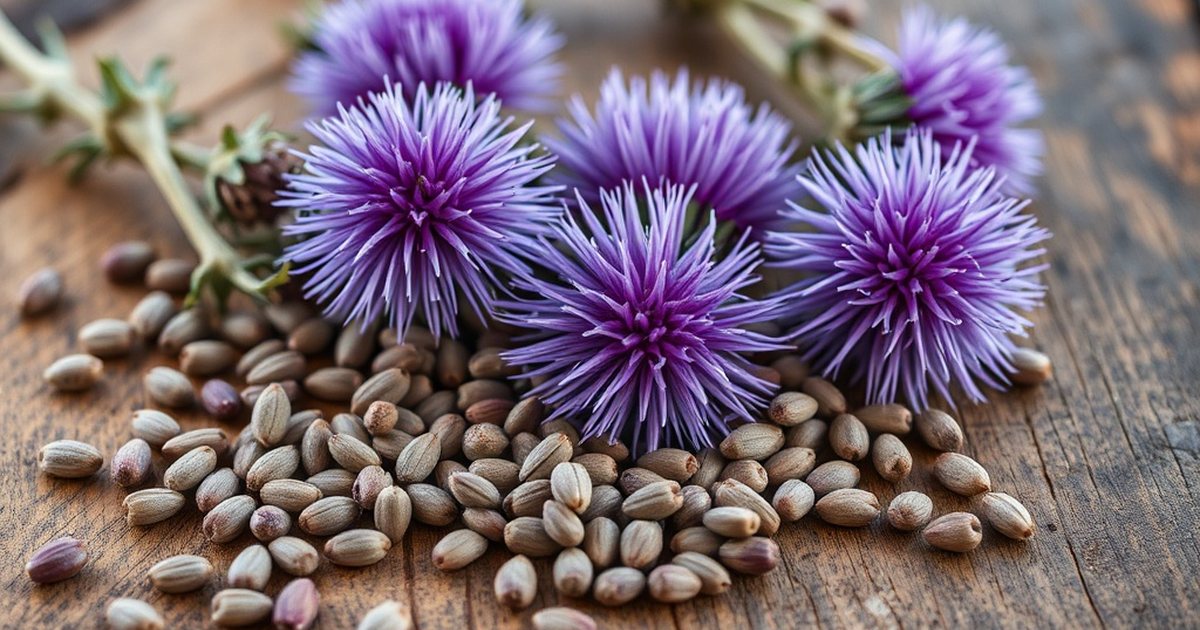
The percentage also doesn’t specify the silybin-to-other-flavonolignan ratio, doesn’t indicate the extract was tested by an independent third party, and doesn’t reflect how well the body absorbs the compounds it contains. Silymarin’s oral bioavailability is generally considered limited, which is one reason some products pair it with phospholipids (as in silybin-phosphatidylcholine complexes) or other delivery approaches, a formulation detail that a bare percentage claim won’t tell you either.
Because silymarin can interact with CYP450 liver enzymes involved in metabolizing many prescription drugs, including some statins, diabetes medications, and hormonal therapies, the concentration and dose on the label are relevant to more than just marketing, they matter for anyone combining the supplement with other medications.

How to Actually Read the Label
To understand what you’re buying, look past the front-of-bottle percentage and check the Supplement Facts panel for three things: the total extract weight per serving, the standardization percentage, and, ideally, the milligrams of silymarin (or silybin specifically) that the two numbers work out to. Reputable labels will spell this out directly, for example ‘300 mg milk thistle extract, standardized to 80% silymarin (240 mg).’
It’s also worth checking whether the product specifies silybin content separately, since that’s the most-studied individual component of the silymarin complex, and whether there’s any indication of third-party testing (USP, NSF, or an independent Certificate of Analysis) verifying the stated percentage. A percentage claim with no verification behind it is simply a manufacturer’s assertion.
Standardization Is a Manufacturing Claim, Not a Health Claim
It’s easy to read ‘80% silymarin standardized’ as shorthand for ‘clinically effective’ or ‘high quality,’ but the phrase is narrower than that. It describes a consistent manufacturing input, not a guarantee of a particular health effect, an FDA-reviewed safety profile, or a specific outcome for liver health. Milk thistle supplements are not intended to diagnose, treat, cure, or prevent any disease, and standardization percentage alone can’t substitute for understanding dose, formulation, and your own health context.
If you have diagnosed liver disease, take CYP450-metabolized medications, or have a ragweed or Asteraceae plant allergy, the standardization number matters less than talking with a physician or pharmacist before adding any milk thistle product to your routine.
🛒 Where to Buy Milk Thistle (Silymarin)

- CleanseParasites Heavy Metal + Microplastics Binder Editor’s Pick
Contains milk thistle alongside spirulina, zeolite, and other binder herbs. - Thorne Siliphos (Silybin Phosphatidylcholine Complex)Lab-tested / studied
capsules, 1 capsule (~120mg silybin-phosphatidylcholine complex) — Clinically-studied phospholipid complex form used in bioavailability research; NSF Certified for Sport option - Jarrow Formulas Milk Thistle 150mg (Silymarin Standardized Extract)
capsules, 1 capsule (150mg, 80% silymarin) — Widely used, third-party tested, standard 80% silymarin extract at an accessible price - NOW Foods Silymarin Milk Thistle Extract 150mg
capsules, 1 capsule (150mg, 80% silymarin) — GMP-certified, budget-friendly staple brand with consistent standardization - Nature’s Way Milk Thistle Thisilyn Standardized Extract
capsules, 1 capsule (175mg, 80% silymarin) — Long-running standardized formula, one of the most established milk thistle brands in the US market
As an Amazon Associate we earn from qualifying purchases. Quality varies widely — always choose a product with a published third-party test (COA) before buying.
A Note on the Evidence
This article explains label terminology and general pharmacology, not clinical evidence for any specific health benefit, and it does not attempt to summarize clinical trial results. Milk thistle supplements are not FDA-evaluated for safety or effectiveness; anyone with diagnosed liver disease, ragweed/Asteraceae allergies, or who takes CYP450-metabolized medications should consult a physician before use.
Frequently Asked Questions
Does a higher standardization percentage mean a stronger or better supplement?
Not necessarily. A higher percentage means more of the extract’s weight is the silymarin complex, but the actual milligram dose depends on the total extract amount per capsule, and the biological effect depends on absorption and individual flavonolignan makeup as well, not just the percentage.
Is silymarin the same thing as silybin?
No. Silymarin is the full mixture of related flavonolignan compounds found in milk thistle seed extract, and silybin (silibinin) is typically the largest single component within that mixture. A label listing ‘80% silymarin’ is describing the whole complex, not isolated silybin.
Why do most milk thistle extracts target 70-80% silymarin rather than 100%?
Because raw milk thistle seed naturally contains other plant compounds alongside silymarin, and full isolation to 100% purity is not how commercial extracts are typically manufactured or marketed. The 70-80% range has become a common industry standardization target.
Can I compare two products just by looking at the standardization percentage?
Only partially. To compare fairly, you need both the percentage and the total extract weight per serving, since those two numbers together determine the actual milligrams of silymarin you’re getting, which is the more meaningful comparison point.
Does standardization mean the product has been tested by an independent lab?
Not automatically. Standardization is a manufacturing target the company sets for its extract; independent verification (like USP or NSF certification, or a published Certificate of Analysis) is a separate, additional layer of quality assurance that not all products carry.
Are there safety concerns specific to standardized milk thistle extracts?
The main concerns are the same as with milk thistle generally: potential interaction with CYP450-metabolized medications (including some statins, diabetes drugs, and hormonal therapies), and risk of allergic reaction in people sensitive to ragweed or other Asteraceae plants. These risks aren’t changed by the standardization percentage itself.
These statements have not been evaluated by the Food and Drug Administration. This information is not intended to diagnose, treat, cure, or prevent any disease. Content is for informational purposes only and is not medical advice; consult a qualified healthcare provider before starting any supplement. As an Amazon Associate we earn from qualifying purchases.