Milk thistle (Silybum marianum) is a spiny, purple-flowered plant in the daisy family that has been used for centuries in traditional European herbal practice, most often associated with liver support. What ends up in a capsule or tincture, though, isn’t the whole plant. It’s a concentrated extract made from the plant’s seeds, standardized to a group of compounds called silymarin, of which silybin (also spelled silibinin) is the primary active flavonolignan.[1]
Understanding how that seed becomes an extract, from field to standardized powder, helps explain why product quality varies so much between brands, and why label claims like “standardized to 80% silymarin” actually matter. This article walks through cultivation, harvest, and the extraction chemistry, without claiming the finished supplement is proven to treat any disease.
Key Takeaways
- Milk thistle supplements come from an extraction process applied to the seed coat, not the whole plant, since that’s where silymarin concentrates.
- Harvest timing is a balance between letting seed heads mature and avoiding shattering losses before mechanical harvest.
- Solvent extraction (commonly alcohol-based), filtration, and concentration turn raw seed into a usable silymarin extract.
- Standardization (often to 70-80% silymarin, verified by HPLC) is what makes potency comparable across brands, not the raw milligram weight on the label.
- This is a description of manufacturing process, not a claim of medical benefit; milk thistle products are not FDA-evaluated to diagnose, treat, cure, or prevent disease.
Where and How Milk Thistle Is Grown
Milk thistle is native to the Mediterranean basin but now grows as a naturalized plant across much of Europe, North Africa, the Middle East, and parts of the Americas and Australia. It tolerates poor, dry, rocky soils and full sun, which is part of why it’s often found growing wild along roadsides and disturbed ground rather than only in cultivated fields.
Commercial production takes place both from wild-harvested stands and from dedicated agricultural plots, with Central and Eastern Europe (particularly Hungary, Poland, and Germany), Argentina, and China among the more established sources of cultivated seed. Growers plant milk thistle as an annual or biennial, sowing seed in spring, and the plant develops its characteristic marbled, spiky leaves and purple thistle-like flower heads over the growing season.
The Harvest Window
The seeds form inside the dried flower heads (capitula) after the purple blooms fade. Timing matters: harvesting too early yields underdeveloped, lower-oil seed, while waiting too long risks shattering, where the mature seed head disperses its seeds onto the ground before mechanical harvest can capture them.

Growers typically wait until the flower heads have browned and dried on the plant, then harvest using combine equipment adapted for thistle crops, or by hand-cutting and threshing on a smaller scale for wild-harvested material. After harvest, the small, hard, brown-and-black mottled seeds are cleaned to remove plant debris, chaff, and immature or damaged seed before further processing.
From Raw Seed to Extract: The Basic Process
The active compounds in milk thistle, collectively called silymarin, are concentrated in the seed coat (pericarp), not distributed evenly through the plant. Because of this, whole ground seed or seed powder contains only a small, variable percentage of silymarin, which is one reason raw milk thistle seed or tea is a much weaker source than a manufactured extract.
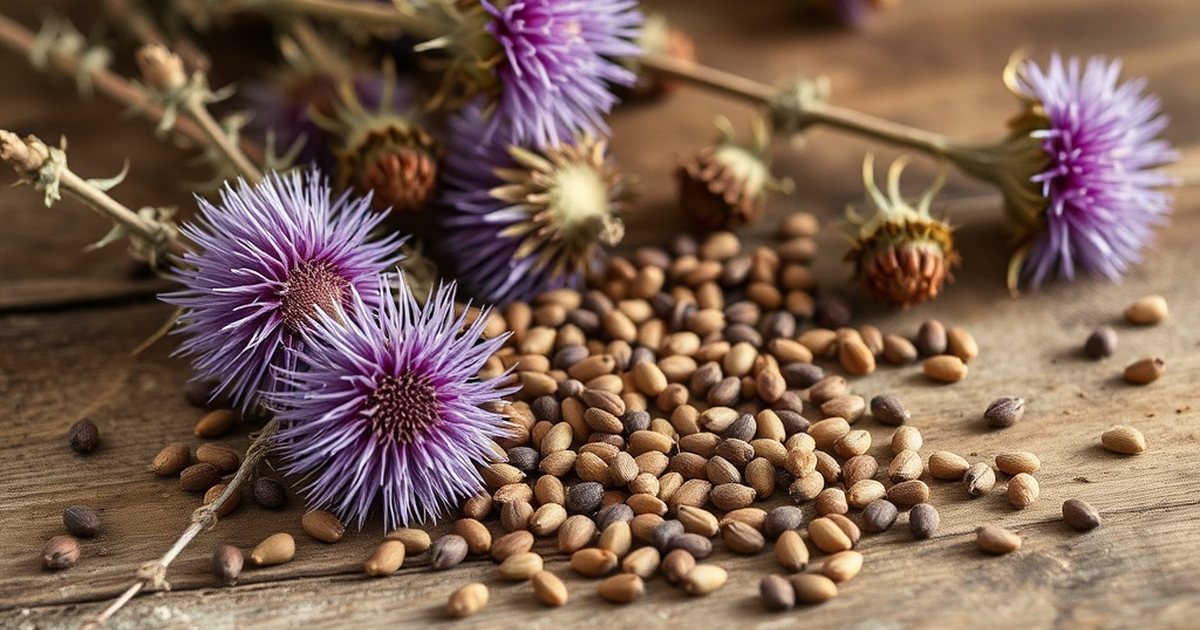
To produce a usable extract, cleaned seeds are typically dried further, then milled or crushed to increase surface area before solvent extraction. This mechanical preparation step is largely about maximizing yield in the chemical extraction that follows, not about altering the chemical composition of the seed itself.
Solvent Extraction and Concentration
Most commercial silymarin extracts are produced using an organic solvent, historically methanol or ethanol at various concentrations (or, in some processes, ethyl acetate), to pull the flavonolignan compounds out of the milled seed material. The solvent is chosen partly because silymarin’s constituents (silybin, isosilybin, silychristin, silydianin) are more soluble in alcohol-based solvents than in water alone.
After the initial extraction, the raw liquid extract goes through filtration to remove solid plant material, then concentration steps (often involving evaporation under controlled temperature and vacuum) to remove the solvent and increase the relative concentration of silymarin in the remaining material. Any residual solvent is required to fall within regulatory limits for the finished ingredient, since these products are sold as dietary supplements, not drugs, and are not FDA-evaluated for safety or effectiveness before they reach the market.

Some manufacturers use additional purification steps, such as recrystallization or chromatographic separation, to isolate specific flavonolignans (for example, isolating silybin from the broader silymarin complex) for research-grade material or higher-potency finished products.
Standardization: What "80% Silymarin" Actually Means
Because natural seed-to-seed variability in silymarin content is significant, reputable manufacturers standardize the finished dry extract to a defined percentage of total silymarin, commonly in the 70-80% range, verified by laboratory analysis (typically HPLC, high-performance liquid chromatography). The extract powder is then blended, if necessary, with excipients or diluted with additional plant material to hit a consistent target percentage across production batches.
This standardization step is the main reason label claims on milk thistle products can vary so widely in apparent potency even when the milligram amount looks similar. A 250 mg extract standardized to 80% silymarin delivers meaningfully more of the active compounds than 250 mg of unstandardized ground seed or a low-percentage extract, though standardization alone does not establish clinical effectiveness for any specific health outcome.
Quality Control and Final Testing
Before a batch of extract is released for encapsulation or other finished-product manufacturing, reputable producers run quality control testing that typically includes silymarin content verification, residual solvent testing, and screening for contaminants such as heavy metals, pesticide residue, and microbial load. Because milk thistle is a member of the Asteraceae (ragweed) family, some processors also note this on documentation relevant to allergen labeling.
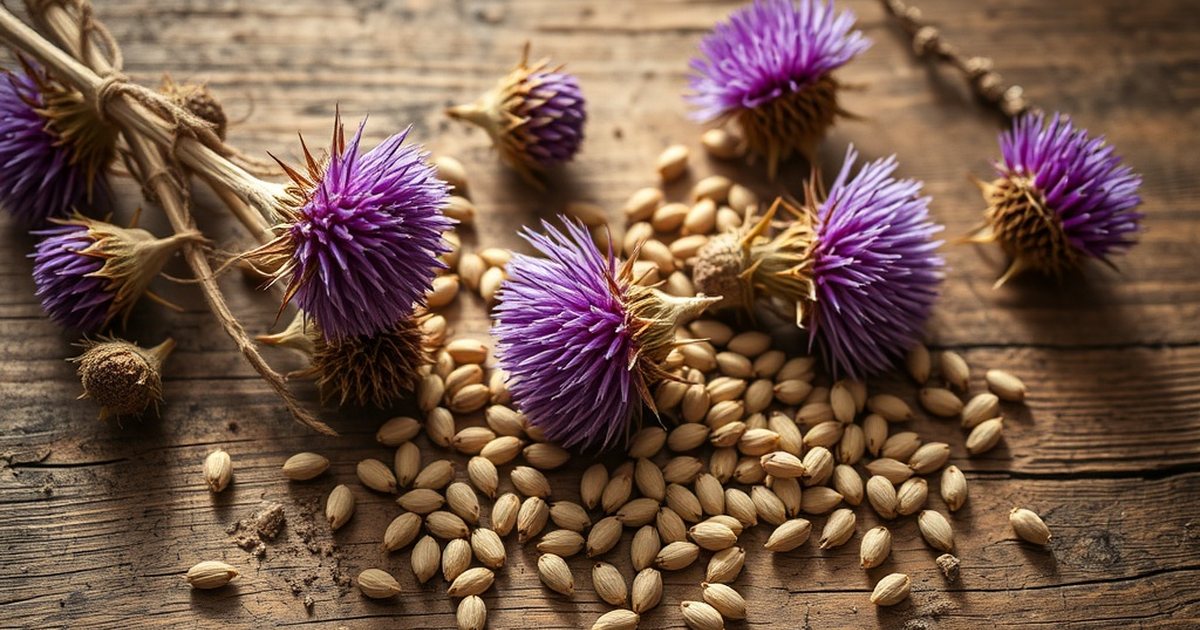
None of this manufacturing quality control substitutes for medical guidance. People taking CYP450-metabolized medications, including certain statins, diabetes medications, or hormonal therapies, and those with diagnosed liver disease or ragweed/Asteraceae allergies, should talk to a physician before adding a milk thistle supplement, regardless of how carefully the extract was standardized or tested.

🛒 Where to Buy Milk Thistle (Silymarin)
- CleanseParasites Heavy Metal + Microplastics Binder Editor’s Pick
Contains milk thistle alongside spirulina, zeolite, and other binder herbs. - Thorne Siliphos (Silybin Phosphatidylcholine Complex)
capsules, 1 capsule (~120mg silybin-phosphatidylcholine complex) — Phospholipid complex form (silybin bound to phosphatidylcholine) for liver support - Jarrow Formulas Milk Thistle 150mg (Silymarin Standardized Extract)
capsules, 1 capsule (150mg, 80% silymarin) — Widely used, standard 80% silymarin extract at an accessible price - NOW Foods Silymarin Milk Thistle Extract 150mg
capsules, 1 capsule (150mg, 80% silymarin) — Made under NOW’s GMP Quality Assured program, budget-friendly staple brand with consistent standardization - Nature’s Way Milk Thistle Thisilyn Standardized Extract
capsules, 1 capsule (175mg, 80% silymarin) — Long-running standardized formula, one of the most established milk thistle brands in the US market
As an Amazon Associate we earn from qualifying purchases. Quality varies widely — always choose a product with a published third-party test (COA) before buying.
A Note on the Evidence
This article describes agricultural and manufacturing processes, not clinical evidence of benefit, so no efficacy claims are made. Milk thistle supplements are not FDA-evaluated to diagnose, treat, cure, or prevent any disease, and anyone with diagnosed liver disease, a ragweed/Asteraceae allergy, or taking CYP450-metabolized medications should consult a physician before use. This is informational content, not medical advice.
Frequently Asked Questions
Is milk thistle extract made from the whole plant or just the seeds?
Commercial silymarin extract is made almost exclusively from the seed (specifically the seed coat), where the flavonolignan compounds are concentrated. Other parts of the plant are not typically used in standardized extracts.
What solvent is used to extract silymarin from milk thistle seed?
Most commercial processes use an organic solvent, historically methanol or ethanol, sometimes ethyl acetate, to pull the flavonolignan compounds out of milled seed. The solvent is later removed through evaporation and concentration steps, with residual levels required to meet regulatory limits.
What does it mean when a product says '80% silymarin'?
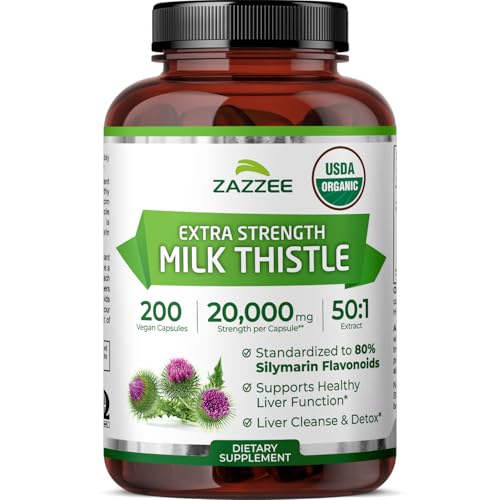
It means the finished dry extract has been laboratory-tested, typically by HPLC, and standardized so that 80% of its weight is the silymarin complex of flavonolignans. This allows more consistent comparisons of potency between batches and brands than relying on raw seed weight alone.
Is raw milk thistle seed or tea as potent as an extract?
No. Silymarin is concentrated unevenly in the seed coat, and raw ground seed or brewed tea delivers a much smaller and less consistent amount of the active compounds compared to a solvent-extracted, standardized product.
Where is milk thistle commercially grown or harvested?
It grows both wild and under cultivation across the Mediterranean basin, Central and Eastern Europe, and other regions with dry, sunny growing conditions, including parts of the Americas. Harvest timing is chosen to catch mature, dried seed heads before they shatter and disperse seed on their own.
Who should be cautious about taking a milk thistle supplement?
People on CYP450-metabolized medications (including some statins, diabetes drugs, and hormonal therapies), those with diagnosed liver disease, and anyone with a ragweed or Asteraceae allergy should consult a physician before use, since milk thistle can interact with certain drugs and isn’t FDA-evaluated for safety or effectiveness.
References
- Milk thistle (Silybum marianum): A concise overview on its chemistry, pharmacological, and nutraceutical uses in liver diseases. Phytotherapy Research (2018). PMID 30080294
These statements have not been evaluated by the Food and Drug Administration. This information is not intended to diagnose, treat, cure, or prevent any disease. Content is for informational purposes only and is not medical advice; consult a qualified healthcare provider before starting any supplement. As an Amazon Associate we earn from qualifying purchases.