Milk thistle (Silybum marianum) seed extract, standardized to silymarin and its main active compound silybin, is one of the most studied liver-support botanicals. But ‘how long until it works’ is a harder question than it looks, because the honest answer depends on what you’re measuring, how injured the liver is to start with, and which trial you’re looking at.
This article walks through what randomized trials and meta-analyses report about onset and duration of use, without promising a fixed number of days. Milk thistle is not FDA-evaluated for safety or effectiveness and is not intended to diagnose, treat, cure, or prevent any disease. If you have a diagnosed liver condition, take CYP450-metabolized medications, or have a ragweed/Asteraceae allergy, talk to a physician before starting.
Key Takeaways
- Clinical trials studying silymarin/milk thistle use treatment windows ranging from short hospital-monitoring periods to multi-month courses, depending on the condition being studied.
- Chronic fatty liver conditions are studied over longer intervention periods than acute injury models [1].
- A recent meta-analysis specifically questions whether current dosing and duration practices are optimized, meaning the science itself hasn’t settled on one timeline [2].
- Bioavailability and formulation (e.g., nano-silymarin) affect how a study is designed and interpreted, not just how long it’s taken [3].
- No study measured or promises a specific ‘days until you feel it’ outcome — ‘working’ is defined by lab markers or risk scores, not subjective effects.
There Isn't One Universal Timeline
The research on Silybum marianum spans very different populations: hospitalized patients with acute liver injury, people with metabolic-associated fatty liver disease, and even COVID-19 patients being monitored for liver stress. A 2025 meta-analysis of randomized trials targeting liver injury found that outcomes and administration practices (dose, duration, formulation) varied substantially across studies, and the authors specifically raised the question of whether current dosing and duration protocols need to be reconsidered [2]. That variability is the main reason there’s no single ‘it kicks in on day X’ answer — the timeline in the literature is tied to the specific dose and study design, not a fixed biological switch.
Short-Term Trials: Weeks, Not Days
In hospitalized COVID-19 patients, a double-blind placebo-controlled trial tested an oral nano-silymarin formulation and assessed liver-related outcomes over the course of the treatment period, reflecting the kind of short, defined trial window used to detect a signal in acute settings [3]. Nano-formulations are designed to improve silymarin’s notoriously poor oral bioavailability, which itself is a clue about timeline: standard silymarin is absorbed inconsistently, so formulation matters as much as duration when judging how quickly it might act.

Trials in acute or hospital settings are testing a different question than someone taking a supplement at home for general liver support. Acute-injury research is about whether a measurable protective effect shows up within a short, closely monitored window; it doesn’t translate directly to ‘take it for a week and feel different.’
Chronic Liver Conditions: Longer Courses Studied
For non-alcoholic fatty liver disease (NAFLD/NASH), an updated systematic review of polyphenol interventions — which includes silymarin among other plant compounds — found that benefits on liver enzymes and fat markers in fatty liver disease were generally evaluated over extended intervention periods rather than days or single weeks, consistent with how metabolic liver disease is studied generally [1].
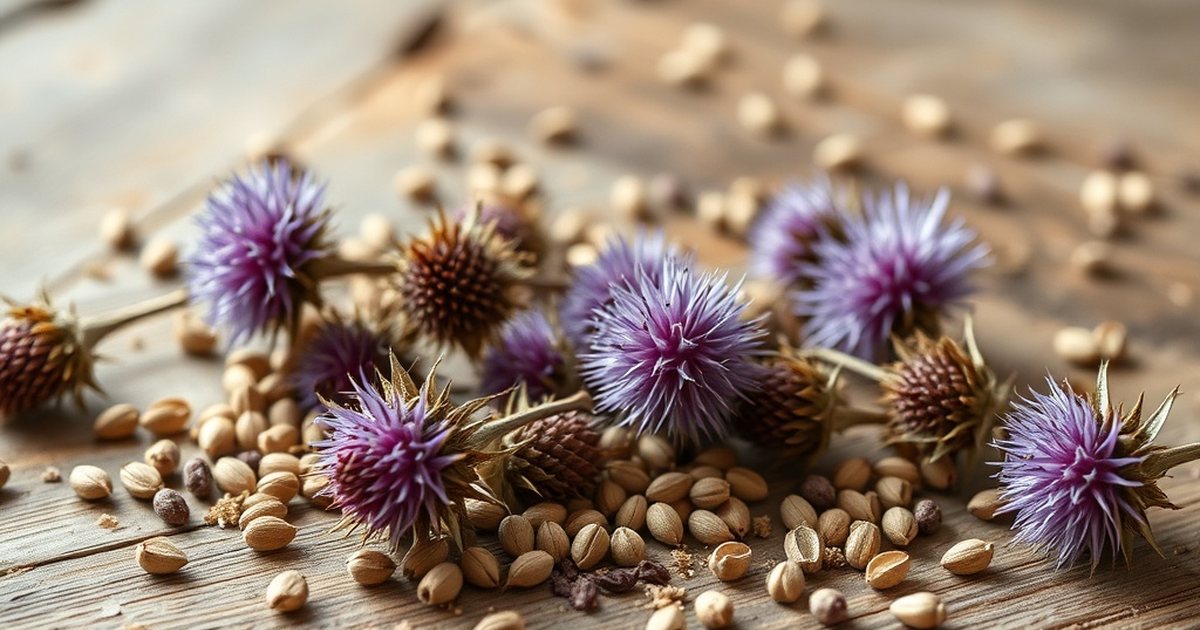
A related phase II trial combined Phyllanthus niruri and Silybum marianum extracts (marketed as Heptex) in patients with risk factors for nonalcoholic steatohepatitis, using a multicentered, randomized, double-blind, placebo-controlled design across a defined treatment period to assess whether the combination shifted risk markers [4]. The takeaway across this body of work: chronic, diet- and metabolism-driven liver stress is studied over months, not days, because the underlying process itself is slow to change.

What About Acute Toxin-Induced Injury?
Preclinical research on hepatoprotection often uses acute injury models — for example, a study on Cordia africana bark extracts evaluated protection against acetaminophen-induced liver injury in rats, measuring biochemical liver markers after a short, defined exposure and treatment window [5]. While this study doesn’t test milk thistle itself, it illustrates a broader pattern in hepatoprotection research: animal models can show a measurable biochemical shift within days, but that speed doesn’t necessarily carry over to how a chronic condition responds in a person taking an oral supplement long-term.
This matters for expectations: an animal study protecting against a single acute chemical insult is a different biological question than a human using milk thistle for ongoing metabolic liver support.
Why 'Working' Is Hard to Define
Across the cited research, ‘working’ means different things: a lab marker like an enzyme level moving toward normal, a composite risk score improving, or a symptom scale shifting in a hospital setting. None of these trials measure subjective day-to-day feeling, and none establish a single onset time that applies across formulations, doses, or the reason someone is taking it [2] [1].
That’s also why the meta-analysis calling for revisiting administration practices matters: if researchers themselves aren’t settled on optimal dose and duration across trials, it’s not realistic for a consumer product label to promise a specific number of days until benefit [2].

What a Reasonable Approach Looks Like
Given the evidence, a reasonable approach is to think of milk thistle as something evaluated over a defined trial period (weeks for acute contexts, months for chronic metabolic support in the studies above) rather than expecting a fast, noticeable shift. Any decision about how long to take it, at what dose, and whether it’s appropriate at all should be made with a physician, especially given documented CYP450 drug interaction potential with certain statins, diabetes medications, and hormonal therapies.
🛒 Where to Buy Milk Thistle (Silymarin)
- CleanseParasites Heavy Metal + Microplastics Binder Editor’s Pick
Contains milk thistle alongside spirulina, zeolite, and other binder herbs. - Thorne Siliphos (Silybin Phosphatidylcholine Complex)
capsules, 1 capsule (~120mg silybin-phosphatidylcholine complex) — Phospholipid complex form (silybin bound to phosphatidylcholine) for liver support - Jarrow Formulas Milk Thistle 150mg (Silymarin Standardized Extract)
capsules, 1 capsule (150mg, 80% silymarin) — Widely used, standard 80% silymarin extract at an accessible price - NOW Foods Silymarin Milk Thistle Extract 150mg
capsules, 1 capsule (150mg, 80% silymarin) — Made under NOW’s GMP Quality Assured program, budget-friendly staple brand with consistent standardization - Nature’s Way Milk Thistle Thisilyn Standardized Extract
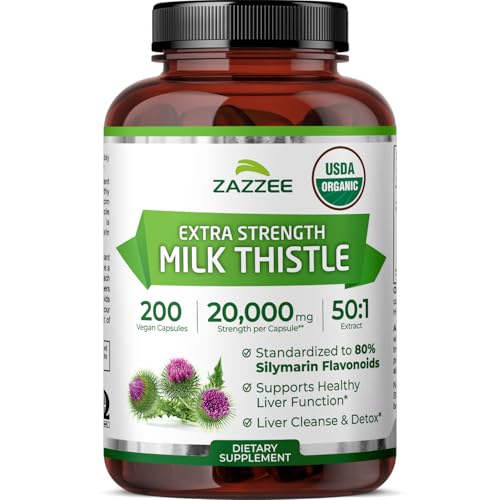
capsules, 1 capsule (175mg, 80% silymarin) — Long-running standardized formula, one of the most established milk thistle brands in the US market
As an Amazon Associate we earn from qualifying purchases. Quality varies widely — always choose a product with a published third-party test (COA) before buying.
A Note on the Evidence
Milk thistle supplements are not FDA-evaluated for safety or effectiveness and are not intended to diagnose, treat, cure, or prevent any disease; the evidence base includes small and heterogeneous trials, so individual response and appropriate duration should be discussed with a physician, especially given interaction potential with CYP450-metabolized medications.
Frequently Asked Questions
How many days until milk thistle shows an effect?
There is no established fixed number of days. Trials measuring liver-related outcomes have used everything from short hospital-monitoring periods to extended multi-month courses, and a 2025 meta-analysis noted that dosing and duration practices across studies still need clarification [2].
Does milk thistle work faster for acute liver injury than chronic conditions?
Acute-injury research designs (including preclinical models) tend to use shorter observation windows than chronic fatty liver disease research, which is generally studied over longer periods [5] [1]. This reflects study design differences, not a proven speed advantage for one condition over another.
Is a specific formulation faster-acting?
Formulations like oral nano-silymarin were developed to address silymarin’s poor natural absorption, and have been tested in short, defined clinical windows in hospitalized patients [3]. Whether a given formulation acts meaningfully faster than standard silymarin for general liver support hasn’t been established outside these specific trial contexts.

Does combining milk thistle with other botanicals change the timeline?
A phase II trial combining Phyllanthus niruri with Silybum marianum extract was evaluated over a defined multicentered study period in people with NASH risk factors [4]. Combination products are tested on their own timelines and shouldn’t be assumed to work faster or slower than single-ingredient silymarin without direct comparison data.
Should I expect to feel different once it 'starts working'?
The cited trials measure liver enzymes, composite risk scores, or clinical status in hospital settings, not subjective day-to-day feeling [2] [4]. Absence of a noticeable feeling doesn’t mean it isn’t doing anything, and a felt effect isn’t proof that it is.
Who should check with a doctor before starting, regardless of timeline?
Anyone with a diagnosed liver condition, anyone on CYP450-metabolized medications (including certain statins, diabetes drugs, or hormonal therapies), and anyone with a ragweed or Asteraceae allergy, since milk thistle belongs to that plant family.
References
- Ranneh Y et al. Polyphenol Intervention Ameliorates Non-Alcoholic Fatty Liver Disease: An Updated Comprehensive Systematic Review. Nutrients (2024). PMID 39683546
- Shahsavari K et al. Are alterations needed in Silybum marianum (Silymarin) administration practices? A novel outlook and meta-analysis on randomized trials targeting liver injury. BMC complementary medicine and therapies (2025). PMID 40221681
- Aryan H et al. Evaluation of the efficacy of oral nano-silymarin formulation in hospitalized patients with COVID-19: A double-blind placebo-controlled clinical trial. Phytotherapy research : PTR (2022). PMID 35859298
- Shaker MK et al. The activity of a herbal medicinal product of Phyllanthus niruri and Silybum marianum powdered extracts (Heptex®) in patients with apparent risk factors for nonalcoholic steatohepatitis: a phase II, multicentered, randomized, double-blind, placebo-controlled clinical trial. BMC complementary medicine and therapies (2025). PMID 39789561
- Geresu GD et al. Hepatoprotective Effects of Crude Stem Bark Extracts and Solvent Fractions of Cordia africana against Acetaminophen-Induced Liver Injury in Rats. Canadian journal of gastroenterology & hepatology (2022). PMID 35392025
These statements have not been evaluated by the Food and Drug Administration. This information is not intended to diagnose, treat, cure, or prevent any disease. Content is for informational purposes only and is not medical advice; consult a qualified healthcare provider before starting any supplement. As an Amazon Associate we earn from qualifying purchases.