Milk thistle (Silybum marianum) is one of the most widely sold liver-support supplements, but the label on the bottle rarely tells you what you actually need to know. Terms like “standardized extract,” “silymarin,” and “silybin” get used loosely, and concentration, form, and quality can vary a lot between brands even when the front-of-bottle marketing looks similar.
This guide walks through what to actually look for on a milk thistle label: how the active compound is measured, what dose ranges show up in commercial products, which forms exist, and what quality and safety flags matter. This guide covers label and quality criteria rather than clinical outcomes, so treat the mechanistic background as general herbal-science context, not a summary of clinical trial results.
Key Takeaways
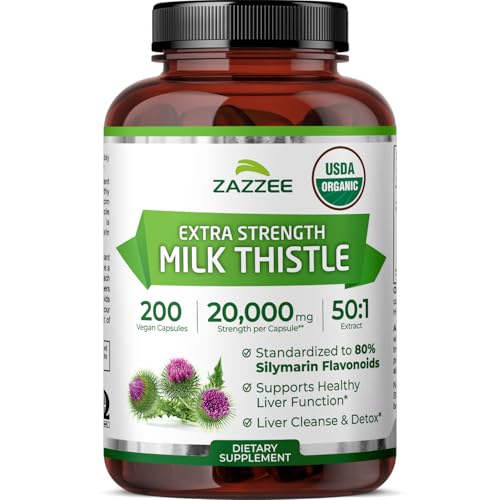
- Check the standardization percentage (e.g., 80% silymarin) and the total milligrams of silymarin per serving, not just capsule count
- Phytosome/phospholipid-complex formulations aim to improve absorption but cost more per milligram
- Third-party testing seals and cGMP manufacturing are the main external quality checks available, since these products aren’t FDA-evaluated for safety or effectiveness
- Milk thistle can interact with CYP450-metabolized drugs (some statins, diabetes medications, hormonal therapies), review with a physician if you take prescription medication
- Avoid products with cure/treat/prevent disease claims on the label; that language is a quality red flag, not a credibility signal
Understand What You're Actually Buying
Milk thistle seed extract contains a group of compounds collectively called silymarin, a mix of flavonolignans, the best-studied of which is silybin (also called silibinin). When a label says “milk thistle extract,” it’s really shorthand for a standardized concentration of silymarin, not the raw seed itself.
The proposed rationale for liver support centers on antioxidant activity, stabilization of hepatocyte cell membranes, and mild anti-inflammatory effects within liver cells. These are proposed mechanisms describing how silymarin is thought to interact with liver tissue, not confirmed clinical outcomes, and the strength of that evidence varies by condition and study quality.
Check the Standardization Percentage
The single most useful number on a milk thistle label is the standardization percentage, usually written as something like “standardized to 80% silymarin.” This tells you how much of the extract itself is the active flavonolignan complex, as opposed to inert plant material[1].

Products that only list “milk thistle seed powder” with no standardization percentage are harder to evaluate, because raw seed potency varies naturally by growing conditions and processing[2]. A standardized extract gives you a more consistent, comparable starting point across brands, even though standardization alone doesn’t guarantee a product’s real-world potency matches the label exactly.
Look at Total Silymarin Content, Not Just Capsule Size
A large capsule doesn’t necessarily mean a large dose of active compound. What matters is the actual milligram amount of silymarin per serving, which you get by combining the total extract weight with its standardization percentage.
Commercial silymarin products commonly range from roughly 150 mg to over 400 mg of standardized extract per serving, split across one or more capsules. Compare products on a milligrams-of-silymarin-per-serving basis rather than trusting front-label claims like “extra strength” or “maximum potency,” which aren’t regulated terms.
Consider the Form: Capsule, Softgel, or Phytosome Complex
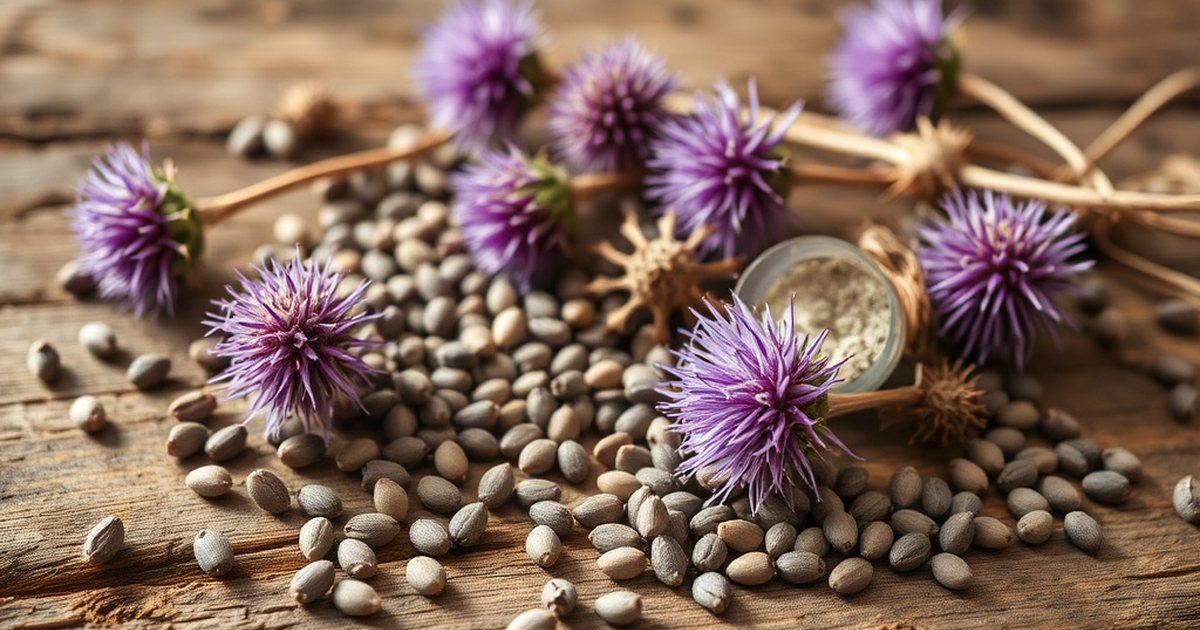
Silymarin and silybin are poorly water-soluble, which affects how well they’re absorbed in standard capsule or tablet form[3]. Some manufacturers address this with a phospholipid complex (often branded as a “phytosome” formulation), which binds silybin to a fat-soluble carrier intended to improve absorption[4][5].
Whether you choose a standard standardized extract or a phytosome-style formulation is a personal and cost tradeoff, phytosome products are typically more expensive per milligram. Neither format is inherently “correct”; the choice mainly affects how much of the labeled dose your body may absorb, which is a separate question from whether the underlying research on outcomes is strong.

Verify Third-Party Testing and Manufacturing Quality
Because milk thistle supplements are not FDA-evaluated for safety or effectiveness before they reach shelves, the manufacturer is responsible for accuracy of label claims, and enforcement is largely after-the-fact[6]. Third-party testing seals (from organizations that verify identity, potency, and contaminant screening) are one of the few external checks available to a consumer.
Look for a certificate of analysis, a batch or lot number, and manufacturing under current Good Manufacturing Practice (cGMP) conditions. These don’t confirm a product works, but they add a layer of assurance that what’s on the label reflects what’s in the capsule.
Watch for Interactions and Red Flags Before You Buy
Milk thistle can interact with CYP450-metabolized medications, a drug-processing pathway shared by some statins, certain diabetes medications, and some hormonal therapies[7][8]. If you take any prescription medication regularly, this is worth reviewing with a pharmacist or physician before adding milk thistle, regardless of which product you choose.
People with ragweed or Asteraceae plant family allergies, or those with a diagnosed liver disease, should also consult a physician first, since milk thistle is part of the same plant family and liver conditions warrant medical oversight of any supplement. Avoid products making disease-cure claims on the label; that kind of language is itself a quality red flag, since no supplement is intended to diagnose, treat, cure, or prevent disease.

🛒 Where to Buy Milk Thistle (Silymarin)
- CleanseParasites Heavy Metal + Microplastics Binder Editor’s Pick
Contains milk thistle alongside spirulina, zeolite, and other binder herbs. - Thorne Siliphos (Silybin Phosphatidylcholine Complex)
capsules, 1 capsule (~120mg silybin-phosphatidylcholine complex) — Phospholipid complex form (silybin bound to phosphatidylcholine) for liver support - Jarrow Formulas Milk Thistle 150mg (Silymarin Standardized Extract)
capsules, 1 capsule (150mg, 80% silymarin) — Widely used, standard 80% silymarin extract at an accessible price - NOW Foods Silymarin Milk Thistle Extract 150mg
capsules, 1 capsule (150mg, 80% silymarin) — Made under NOW’s GMP Quality Assured program, budget-friendly staple brand with consistent standardization - Nature’s Way Milk Thistle Thisilyn Standardized Extract
capsules, 1 capsule (175mg, 80% silymarin) — Long-running standardized formula, one of the most established milk thistle brands in the US market
As an Amazon Associate we earn from qualifying purchases. Quality varies widely — always choose a product with a published third-party test (COA) before buying.
A Note on the Evidence
This article is informational, not medical advice; milk thistle supplements are not FDA-evaluated for safety or effectiveness and are not intended to diagnose, treat, cure, or prevent any disease. If you have a diagnosed liver condition, a ragweed/Asteraceae allergy, or take prescription medications metabolized by CYP450 enzymes, consult a physician before starting a milk thistle supplement.
Frequently Asked Questions
What does "standardized to 80% silymarin" actually mean?
It means 80% of the extract’s weight is the silymarin flavonolignan complex, with the remainder being other plant material. It’s a way to compare potency across brands, though it doesn’t guarantee absorption or clinical effect.
Is silybin the same thing as silymarin?
No. Silymarin is the overall flavonolignan complex extracted from milk thistle seed, and silybin (also called silibinin) is the most studied individual compound within that complex.
Do I need a phytosome formulation, or is a regular extract fine?
A phytosome/phospholipid complex is designed to improve absorption of silybin, which is otherwise poorly water-soluble. It’s a reasonable option if absorption matters to you, but it’s a cost tradeoff, not a requirement.
Are milk thistle supplements regulated by the FDA?
No. Milk thistle supplements are not FDA-evaluated for safety or effectiveness and are not intended to diagnose, treat, cure, or prevent any disease. Third-party testing seals are one of the few independent quality checks available.
Can milk thistle interact with my medications?
Yes, it can interact with CYP450-metabolized medications, including some statins, diabetes drugs, and hormonal therapies. Talk to a physician or pharmacist before starting it if you’re on regular prescription medication.
Who should avoid milk thistle or check with a doctor first?
Anyone with a ragweed or Asteraceae plant allergy, anyone with a diagnosed liver disease, and anyone on regular prescription medications should consult a physician before use.
References
- Sarma N et al. Pharmacopeial Standards for the Quality Control of Botanical Dietary Supplements in the United States. Journal of dietary supplements (2023). PMID 34699287
- Keshavarz Afshar R et al. Accumulation of silymarin in milk thistle seeds under drought stress. Planta (2015). PMID 25708739
- Li X et al. Silymarin and Silybin: Rejuvenating Traditional Remedies with Modern Delivery Strategies. Pharmaceutics (2025). PMID 41471139
- Kidd P et al. A review of the bioavailability and clinical efficacy of milk thistle phytosome: a silybin-phosphatidylcholine complex (Siliphos). Alternative medicine review : a journal of clinical therapeutic (2005). PMID 16164374
- Barzaghi N et al. Pharmacokinetic studies on IdB 1016, a silybin- phosphatidylcholine complex, in healthy human subjects. European journal of drug metabolism and pharmacokinetics (1990). PMID 2088770
- Marcus DM et al. Dietary supplements: What’s in a name? What’s in the bottle?. Drug testing and analysis (2016). PMID 27072845
- Sridar C et al. Silybin inactivates cytochromes P450 3A4 and 2C9 and inhibits major hepatic glucuronosyltransferases. Drug metabolism and disposition: the biological fate of chemicals (2004). PMID 15155549
- Brantley SJ et al. Two flavonolignans from milk thistle (Silybum marianum) inhibit CYP2C9-mediated warfarin metabolism at clinically achievable concentrations. The Journal of pharmacology and experimental therapeutics (2010). PMID 19934397
These statements have not been evaluated by the Food and Drug Administration. This information is not intended to diagnose, treat, cure, or prevent any disease. Content is for informational purposes only and is not medical advice; consult a qualified healthcare provider before starting any supplement. As an Amazon Associate we earn from qualifying purchases.