Walk down any supplement aisle and milk thistle capsules are almost always shelved next to words like ‘detox,’ ‘cleanse,’ or ‘liver support.’ The plant, Silybum marianum, has a long history in traditional medicine, and its seed extract, standardized to a flavonolignan complex called silymarin, is one of the most studied liver-related botanicals on the market. But ‘detox’ is a marketing word, not a physiological one, and it obscures what silymarin is actually proposed to do.
This article separates the two. It looks at the plausible cell-level mechanisms behind milk thistle, why ‘detox’ is the wrong frame for describing them, and what the honest state of the evidence looks like. None of this is medical advice, and milk thistle has not been evaluated by the FDA to diagnose, treat, cure, or prevent any disease.
Key Takeaways
- ‘Detox’ implies active toxin removal; silymarin’s proposed mechanisms are about antioxidant and membrane-stabilizing support for liver cells, not flushing the organ.
- The liver and kidneys already handle ongoing waste clearance on their own; no evidence here shows milk thistle accelerating that process.
- Silybin, the primary flavonolignan in silymarin, is the component most associated with proposed hepatocyte-protective activity.
- Marketing language often compresses a modest, mechanism-level hypothesis into an oversimplified ‘detox’ claim.
- Milk thistle can interact with CYP450-metabolized medications; talk to a physician first if you take statins, diabetes medications, or hormonal therapies, or have a ragweed/Asteraceae allergy or diagnosed liver disease.
What 'Detox' Actually Implies (and Why It's the Wrong Word)
In marketing copy, ‘detox’ usually implies that a supplement actively pulls toxins out of the body or ‘flushes’ the liver clean. The human liver and kidneys already perform continuous biotransformation and elimination of waste products and xenobiotics as a normal, ongoing function; there isn’t good evidence that a supplement accelerates or amplifies that clearance process in a healthy person. No published evidence demonstrates that milk thistle removes toxins from the body.
The more accurate and more modest framing is that silymarin is studied for how it may support hepatocytes (liver cells) under stress, not for scrubbing the organ. That distinction matters because it changes what a reasonable person should expect from taking it.
What Silymarin Is Proposed to Do at the Cellular Level
Silymarin is a mixture of flavonolignans extracted from milk thistle seeds, with silybin (also called silibinin) as the primary and most active component[1]. Researchers have proposed several mechanisms by which it may influence hepatocyte biology: antioxidant activity that may help neutralize reactive oxygen species generated during cellular stress, membrane-stabilizing effects that may help preserve the structural integrity of hepatocyte cell membranes, and mild anti-inflammatory activity within liver tissue[2].

These are proposed mechanisms of cellular support, not claims of detoxification. A substance that stabilizes a cell membrane or mops up oxidative byproducts is doing something fundamentally different from ‘flushing’ an organ, even though both get marketed under the same ‘liver health’ umbrella.
Antioxidant and Membrane-Stabilizing Mechanisms, Explained Plainly
Oxidative stress occurs when reactive molecules outpace the body’s ability to neutralize them, and liver cells are a common site of this imbalance because the liver is where much of the body’s chemical processing happens. Antioxidant mechanisms proposed for silymarin center on scavenging these reactive molecules before they damage cellular components like lipids, proteins, and DNA[3].
Membrane stabilization refers to a different, complementary idea: that silymarin may help maintain the physical integrity of the hepatocyte’s outer membrane, potentially limiting how easily damaging substances cross into the cell interior[4]. Anti-inflammatory activity, the third piece, refers to a proposed dampening of local inflammatory signaling within stressed liver tissue[5]. Together these three mechanisms describe a cell-protective profile, which is a meaningfully different claim than ‘this herb detoxifies your liver.’
Why the Word 'Detox' Persists in Marketing
‘Detox’ sells because it is simple, visceral, and implies an active, fast-acting benefit consumers can feel good about after a holiday weekend or a period of heavier drinking. ‘Supports antioxidant and membrane-stabilizing processes in hepatocytes’ is accurate but doesn’t fit on a bottle label or a social ad. Supplement marketing regularly compresses a nuanced, mechanism-level hypothesis into a single punchy word that overstates certainty and implies a level of active toxin removal the research doesn’t establish.
This isn’t unique to milk thistle. It’s a broader pattern in the supplement industry: legitimate, studied mechanisms get relabeled with consumer-friendly but scientifically loose language. Recognizing that gap is the main practical skill for reading any ‘liver detox’ or ‘cleanse’ product honestly.

What the Evidence Can and Can't Tell Us Right Now
The popular detox claims made for milk thistle are not the outcomes its trials actually measured, so no single trial statistic answers the detox question directly. What the literature does support is narrower: silymarin’s proposed benefits are framed around antioxidant support, membrane stabilization, and mild anti-inflammatory activity in hepatocytes, not organ-wide detoxification[6][7].
Readers should treat any product claiming milk thistle ‘detoxes’ or ‘cleanses’ the liver with skepticism until they’ve seen the actual mechanism being described and, ideally, the specific research behind it. A supplement can have a plausible, well-reasoned mechanism of action and still not have strong, consistent clinical evidence behind every marketing claim attached to it[8].
Practical Questions to Ask Before Buying a 'Liver Detox' Product
Before choosing a milk thistle product marketed for detox or cleansing, it’s worth asking a few grounding questions: Is the product standardized to a specific silymarin or silybin percentage, or is it just ‘milk thistle powder’ with no standardization? Does the label make a specific, falsifiable claim (‘supports antioxidant activity in liver cells’) or a vague, feel-good one (‘flushes toxins’)? And is there any independent third-party testing for potency and contaminants?
None of these questions replace a conversation with a physician, especially for anyone on CYP450-metabolized medications (including some statins, diabetes drugs, and hormonal therapies), anyone with a ragweed or Asteraceae allergy, or anyone with a diagnosed liver condition.

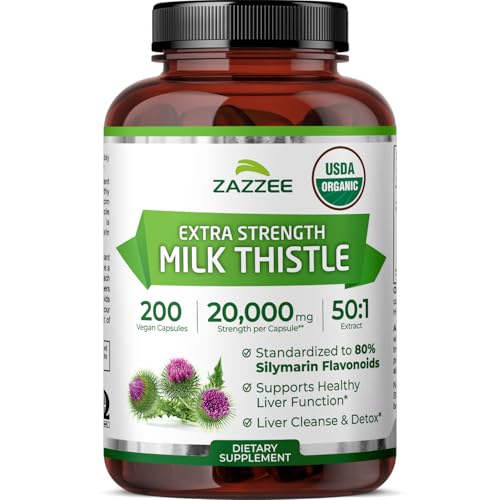
🛒 Where to Buy Milk Thistle (Silymarin)
- CleanseParasites Heavy Metal + Microplastics Binder Editor’s Pick
Contains milk thistle alongside spirulina, zeolite, and other binder herbs. - Thorne Siliphos (Silybin Phosphatidylcholine Complex)
capsules, 1 capsule (~120mg silybin-phosphatidylcholine complex) — Phospholipid complex form (silybin bound to phosphatidylcholine) for liver support - Jarrow Formulas Milk Thistle 150mg (Silymarin Standardized Extract)
capsules, 1 capsule (150mg, 80% silymarin) — Widely used, standard 80% silymarin extract at an accessible price - NOW Foods Silymarin Milk Thistle Extract 150mg
capsules, 1 capsule (150mg, 80% silymarin) — Made under NOW’s GMP Quality Assured program, budget-friendly staple brand with consistent standardization - Nature’s Way Milk Thistle Thisilyn Standardized Extract
capsules, 1 capsule (175mg, 80% silymarin) — Long-running standardized formula, one of the most established milk thistle brands in the US market
As an Amazon Associate we earn from qualifying purchases. Quality varies widely — always choose a product with a published third-party test (COA) before buying.
A Note on the Evidence
This article is informational, not medical advice. It examines a marketing claim rather than reviewing milk thistle’s clinical trial literature in depth. Anyone with a diagnosed liver condition, a ragweed/Asteraceae allergy, or who takes CYP450-metabolized medications (including some statins, diabetes drugs, or hormonal therapies) should consult a physician before using milk thistle.
Frequently Asked Questions
Does milk thistle actually detoxify the liver?
Not in the literal sense implied by marketing. Its proposed mechanisms involve antioxidant activity, membrane stabilization, and mild anti-inflammatory effects on hepatocytes, not active removal of toxins from the body.
What is silymarin and how is it related to milk thistle?
Silymarin is the flavonolignan complex extracted from milk thistle seeds, and silybin (or silibinin) is its primary and most studied component. Supplement labels usually reference a standardized silymarin percentage rather than raw milk thistle.
Is milk thistle FDA-approved to treat liver disease?
No. Milk thistle supplements are not FDA-evaluated for safety or effectiveness and are not intended to diagnose, treat, cure, or prevent any disease. Anyone with a diagnosed liver condition should consult a physician.
Can milk thistle interact with medications?
Yes. It can interact with CYP450-metabolized medications, including some statins, diabetes drugs, and hormonal therapies. Anyone taking these should talk to a physician before use.
Who should be cautious about taking milk thistle?
People with ragweed or Asteraceae plant allergies, those with a diagnosed liver disease, and anyone on CYP450-metabolized medications should consult a physician before starting milk thistle.
Why do so many supplements use the word 'detox' if it's not accurate?
‘Detox’ is a simple, emotionally resonant marketing term that implies an active, fast benefit. It’s easier to sell than a precise description of antioxidant or membrane-stabilizing mechanisms, even when the latter is what the underlying research actually addresses.
References
- Křen V et al. Silybin and its congeners: from traditional medicine to molecular effects. Natural product reports (2022). PMID 35510639
- Wadhwa K et al. Mechanistic Insights into the Pharmacological Significance of Silymarin. Molecules (Basel, Switzerland) (2022). PMID 36014565
- Aghemo A et al. Role of silymarin as antioxidant in clinical management of chronic liver diseases: a narrative review. Annals of medicine (2022). PMID 35635048
- Valenzuela A et al. Biochemical bases of the pharmacological action of the flavonoid silymarin and of its structural isomer silibinin. Biological research (1994). PMID 8640239
- Lovelace ES et al. Silymarin Suppresses Cellular Inflammation By Inducing Reparative Stress Signaling. Journal of natural products (2015). PMID 26186142
- Rambaldi A et al. Milk thistle for alcoholic and/or hepatitis B or C virus liver diseases. The Cochrane database of systematic reviews (2007). PMID 17943794
- Fried MW et al. Effect of silymarin (milk thistle) on liver disease in patients with chronic hepatitis C unsuccessfully treated with interferon therapy: a randomized controlled trial. JAMA (2012). PMID 22797645
- Wah Kheong C et al. A Randomized Trial of Silymarin for the Treatment of Nonalcoholic Steatohepatitis. Clinical gastroenterology and hepatology : the official clinical practice journal of the American Gastroenterological Association (2017). PMID 28419855
These statements have not been evaluated by the Food and Drug Administration. This information is not intended to diagnose, treat, cure, or prevent any disease. Content is for informational purposes only and is not medical advice; consult a qualified healthcare provider before starting any supplement. As an Amazon Associate we earn from qualifying purchases.