Milk thistle (Silybum marianum) seed extract, standardized to the flavonolignan complex silymarin (primarily silybin/silibinin), has a long history of use for liver health. Its proposed mechanisms include antioxidant activity, stabilization of hepatocyte membranes, and modulation of inflammatory pathways, which have prompted investigation as a supportive agent during chemotherapy regimens known to cause hepatotoxicity.
While preclinical and clinical data suggest potential benefits, milk thistle supplements are not evaluated by the FDA for safety or efficacy in treating or preventing any disease. They can interact with cytochrome P450-metabolized medications (including some statins, diabetes drugs, and hormonal therapies) and may pose risks for individuals with ragweed/Asteraceae allergies or diagnosed liver disease. Patients should consult a physician before use. This article summarizes available evidence and is for informational purposes only, not medical advice.
Key Takeaways
- Clinical trials in breast cancer (AC-T and doxorubicin protocols) show silymarin can reduce chemotherapy-induced hepatotoxicity and treatment delays.
- A pediatric ALL trial found silymarin effective in lowering liver enzyme elevations during intensive chemotherapy.
- Preclinical colon cancer data suggest silymarin may both enhance chemotherapy efficacy and protect the liver, but human confirmation is lacking.
- Silymarin modulates CYP450 enzymes, creating potential for significant drug interactions; medical supervision is essential.
- Current evidence is promising but limited by small sample sizes, heterogeneity of formulations, and a lack of large-scale phase III trials.
Proposed Mechanisms of Silymarin in Hepatoprotection
Silymarin’s hepatoprotective effects are attributed to multiple complementary actions. As a potent antioxidant, it scavenges free radicals and reactive oxygen species generated by chemotherapeutic agents, reducing oxidative stress on hepatocytes. It also stabilizes cellular membranes by inhibiting lipid peroxidation and preventing toxin penetration into liver cells. Additionally, silymarin modulates inflammatory signaling pathways, such as NF-κB and TNF-α, which are often upregulated during chemotherapy-induced liver injury. These mechanisms provide a biological rationale for its use alongside hepatotoxic chemotherapy.
Preclinical studies further suggest that silymarin may enhance the activity of detoxification enzymes (e.g., glutathione S-transferase) and promote liver regeneration through stimulation of protein synthesis. However, human data on these specific mechanisms during active cancer treatment remain limited, and the clinical relevance of each pathway is still under investigation.

Clinical Evidence in Breast Cancer Chemotherapy
A randomized, triple-blind, placebo-controlled trial evaluated an oral silymarin formulation in breast cancer patients receiving the AC-T protocol (doxorubicin/cyclophosphamide followed by paclitaxel) [1]. The study found that silymarin significantly reduced the incidence and severity of chemotherapy-induced hepatotoxicity, as measured by serum aminotransferase (AST, ALT) elevations, compared to placebo. Patients in the silymarin group also experienced fewer treatment delays due to liver function abnormalities.
Another triple-blind randomized trial focused specifically on doxorubicin-induced hepatotoxicity in non-metastatic breast cancer patients [2]. Silymarin administration prior to and during doxorubicin cycles was associated with lower peak AST and ALT levels and a reduced rate of grade 3/4 hepatotoxicity. These findings support the potential of silymarin as a preventive agent for anthracycline-related liver injury in this population.
Evidence in Pediatric Acute Lymphoblastic Leukemia (ALL)
A triple-blind randomized clinical trial compared silymarin to a traditional Persian fruit infusion (Naqu Fawakeh) for reducing chemotherapy-induced hepatotoxicity in pediatric ALL patients [3]. Both interventions significantly reduced liver enzyme levels, with a greater effect in the Naqu Fawakeh group. No adverse renal or hematologic effects were observed in this trial of children receiving chemotherapy.

Preclinical Evidence in Colon Cancer Models
In a mouse model of colon cancer, dietary silymarin supplementation was shown to enhance the chemotherapeutic efficacy of capecitabine and irinotecan while simultaneously mitigating hepatotoxicity [4]. Mice receiving silymarin had reduced tumor volumes and improved survival compared to chemotherapy alone, alongside significantly lower serum markers of liver injury (AST, ALT) and reduced hepatic oxidative stress markers. These results suggest a dual benefit of chemosensitization and hepatoprotection, though human trials are needed to confirm translatability.
Case Report in Acute Myeloid Leukemia (AML) Reinduction
A single-patient case report documented the use of Silybum marianum for the management and prevention of hepatotoxicity during reinduction therapy for acute myelogenous leukemia [5]. The patient, who had previously developed severe liver injury during induction, received silymarin concurrently with reinduction chemotherapy. Liver enzymes remained within acceptable limits throughout the course, allowing completion of therapy without dose reductions. While case reports cannot establish efficacy, this observation aligns with the broader mechanistic and clinical data.
Safety, Drug Interactions, and Clinical Considerations
Silymarin is generally well tolerated, with gastrointestinal upset being the most common adverse effect. However, it is a known modulator of cytochrome P450 enzymes (particularly CYP3A4, CYP2C9, and CYP2D6) and may alter the pharmacokinetics of co-administered drugs metabolized by these pathways, including certain statins, antidiabetic agents, and hormonal therapies. Patients with allergies to plants in the Asteraceae/Compositae family (e.g., ragweed, chrysanthemums) should exercise caution due to potential cross-reactivity.

Because milk thistle supplements are not standardized or regulated as drugs, product quality and silymarin content can vary significantly. Oncology patients considering silymarin should discuss it with their treating physician to weigh potential benefits against risks of drug interactions and to ensure appropriate monitoring of liver function during chemotherapy.
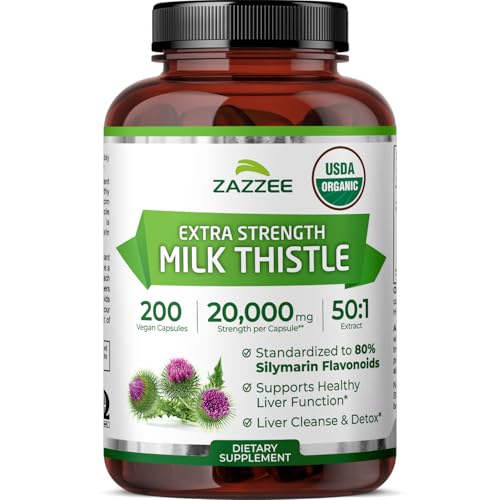
🛒 Where to Buy Milk Thistle (Silymarin)
- CleanseParasites Heavy Metal + Microplastics Binder Editor’s Pick
Contains milk thistle alongside spirulina, zeolite, and other binder herbs. - Thorne Siliphos (Silybin Phosphatidylcholine Complex)
capsules, 1 capsule (~120mg silybin-phosphatidylcholine complex) — Phospholipid complex form (silybin bound to phosphatidylcholine) for liver support - Jarrow Formulas Milk Thistle 150mg (Silymarin Standardized Extract)
capsules, 1 capsule (150mg, 80% silymarin) — Widely used, standard 80% silymarin extract at an accessible price - NOW Foods Silymarin Milk Thistle Extract 150mg
capsules, 1 capsule (150mg, 80% silymarin) — Made under NOW’s GMP Quality Assured program, budget-friendly staple brand with consistent standardization - Nature’s Way Milk Thistle Thisilyn Standardized Extract
capsules, 1 capsule (175mg, 80% silymarin) — Long-running standardized formula, one of the most established milk thistle brands in the US market
As an Amazon Associate we earn from qualifying purchases. Quality varies widely — always choose a product with a published third-party test (COA) before buying.
A Note on the Evidence
The cited studies are limited by small sample sizes, short follow-up, and variability in silymarin formulations; they do not constitute definitive proof of efficacy. Milk thistle can interact with many medications metabolized by CYP450 enzymes. Patients with liver disease, Asteraceae allergies, or those on chemotherapy should consult their physician before use.
Frequently Asked Questions
Does milk thistle cure liver damage from chemotherapy?
No. Milk thistle (silymarin) is not a cure for liver disease. Clinical trials indicate it may reduce the severity of chemotherapy-induced hepatotoxicity and help maintain liver function during treatment, but it does not reverse established liver damage [1][2].
Can I take milk thistle during my chemotherapy without telling my oncologist?
You should never start any supplement without informing your oncology team. Silymarin interacts with CYP450 enzymes and can affect the metabolism of many chemotherapy drugs and supportive medications, potentially altering their effectiveness or toxicity.
Is there evidence for milk thistle in cancers other than breast cancer and leukemia?
A preclinical study in a mouse model of colon cancer showed silymarin enhanced the efficacy of capecitabine and irinotecan while reducing hepatotoxicity [4]. However, there are no published human trials for colon cancer or most other cancer types.
What is the typical dose of silymarin used in these studies?
Doses varied across trials. The breast cancer AC-T trial used a specific oral silymarin formulation (140 mg three times daily) [1], while the doxorubicin prevention trial also used 140 mg three times daily [2]. The pediatric ALL trial used 5.1 mg/kg/day divided into three doses [3]. There is no universally established dose.

Are there any risks for people with hormone-sensitive cancers?
Silymarin has shown weak estrogenic activity in some laboratory studies, but clinical significance is unclear. Patients with hormone-sensitive cancers (e.g., ER+ breast cancer) should consult their physician before use due to theoretical concerns and potential interactions with hormonal therapies.
How does silymarin compare to other hepatoprotective agents?
The pediatric ALL trial directly compared silymarin to a traditional Persian fruit infusion (Naqu Fawakeh) and found that both reduced liver enzymes, with a greater effect in the Naqu Fawakeh group [3]. Comparisons with pharmaceutical agents (e.g., ursodeoxycholic acid) have not been reported in the cited literature.
References
- Moezian GSA et al. Oral silymarin formulation efficacy in management of AC-T protocol induced hepatotoxicity in breast cancer patients: A randomized, triple blind, placebo-controlled clinical trial. Journal of oncology pharmacy practice : official publication of the International Society of Oncology Pharmacy Practitioners (2022). PMID 33861657
- Fatemi Shandiz A et al. Evaluation of oral silymarin formulation efficacy in prevention of doxorubicin induced hepatotoxicity in patients with non-metastatic breast cancer. Journal of oncology pharmacy practice : official publication of the International Society of Oncology Pharmacy Practitioners (2025). PMID 39110237
- Ettehadi F et al. Efficacy of a traditional persian fruit infusion (Naqu Fawakeh) versus silymarin in reducing chemotherapy-induced hepatotoxicity in pediatric ALL: A triple-blind randomized clinical trial. Explore (New York, N.Y.) (2025). PMID 41072084
- Hassani S et al. Dietary silymarin supplementation enhances chemotherapy efficacy of capecitabine and irinotecan and mitigates hepatotoxicity in a mouse model of colon cancer. Research in pharmaceutical sciences (2025). PMID 40190825
- McBride A et al. Silybum marianum (milk thistle) in the management and prevention of hepatotoxicity in a patient undergoing reinduction therapy for acute myelogenous leukemia. Journal of oncology pharmacy practice : official publication of the International Society of Oncology Pharmacy Practitioners (2012). PMID 22378810
These statements have not been evaluated by the Food and Drug Administration. This information is not intended to diagnose, treat, cure, or prevent any disease. Content is for informational purposes only and is not medical advice; consult a qualified healthcare provider before starting any supplement. As an Amazon Associate we earn from qualifying purchases.