Drug-induced liver injury (DILI) remains a leading cause of acute liver failure and a major challenge in drug development and clinical practice, resulting from intrinsic dose-dependent toxicity or idiosyncratic reactions to medications, herbs, and supplements [1]. The clinical management of DILI is largely supportive, focusing on early recognition and withdrawal of the offending agent, which drives interest in adjunctive hepatoprotective strategies.
Milk thistle (Silybum marianum) seed extract, standardized to the flavonolignan complex silymarin (primarily silybin/silibinin), has a long history of traditional use for liver ailments and is among the most studied botanical agents for hepatoprotection. Proposed mechanisms include antioxidant activity, stabilization of hepatocyte membranes against toxin entry, modulation of inflammatory pathways, and stimulation of protein synthesis for cellular regeneration [2]. This review examines the current preclinical and mechanistic evidence for silymarin in DILI contexts, while highlighting critical safety considerations and evidence gaps.
Key Takeaways
- Silymarin (milk thistle extract) demonstrates multi-target hepatoprotective mechanisms—antioxidant, anti-inflammatory, membrane-stabilizing, and pro-regenerative—in robust preclinical models of DILI (acetaminophen, antitubercular drugs, thioacetamide) [3][4][5].
- Human clinical evidence for silymarin in DILI prevention or treatment remains limited and inconclusive; it is not a standard-of-care recommendation per major hepatology guidelines [6].
- Significant CYP450-mediated drug interaction potential exists (statins, diabetes drugs, hormonal therapies, anticoagulants), necessitating physician/pharmacist review before co-administration [2].
- Product standardization and third-party verification are critical due to supplement market variability and the inherent hepatotoxicity risk documented for some botanical products [7].
- Patients with diagnosed liver disease, Asteraceae allergy, or those on polypharmacy regimens should consult a healthcare provider before using milk thistle supplements.
Understanding Drug-Induced Liver Injury (DILI) and the Role of Nutraceuticals
DILI encompasses a spectrum of severity, from asymptomatic elevation of liver enzymes to acute liver failure requiring transplantation. Mechanisms are diverse, involving direct mitochondrial dysfunction, oxidative stress, bile salt export pump (BSEP) inhibition, and immune-mediated hypersensitivity reactions [2]. Common culprits include antimicrobials (e.g., isoniazid, amoxicillin-clavulanate), anticonvulsants, statins, and acetaminophen (paracetamol) overdose, which serves as a primary model for intrinsic hepatotoxicity [6].
Given the limited pharmacotherapeutic options for established DILI beyond supportive care, nutraceuticals and herbal compounds have been investigated for their anti-hepatotoxic potential. A 2024 review on the therapeutic potential of nutraceuticals against DILI highlights that many candidates, including silymarin, target shared pathways such as oxidative stress reduction, mitochondrial protection, and inhibition of apoptotic signaling cascades [6]. However, the translation of these mechanistic findings into clinical efficacy endpoints remains a significant hurdle.

It is also critical to recognize that botanicals themselves can be a cause of DILI. An early but seminal publication on the hepatotoxicity of botanicals underscores that herbal products are not inherently safe and can contribute to liver injury through intrinsic toxicity, contamination, adulteration, or herb-drug interactions [7]. This duality—potential benefit versus inherent risk—frames the necessary caution when evaluating milk thistle for liver protection.
Silymarin Composition and Proposed Hepatoprotective Mechanisms
Silymarin is a standardized mixture of flavonolignans, predominantly silybin A and B (silibinin), along with isosilybin, silychristin, and silydianin. The therapeutic rationale for its use in DILI rests on several well-characterized in vitro and in vivo mechanisms. These include free radical scavenging and enhancement of glutathione (GSH) levels, competitive inhibition of toxin binding to hepatocyte membrane receptors, and stimulation of ribosomal RNA polymerase A to accelerate protein synthesis and cell regeneration [2].
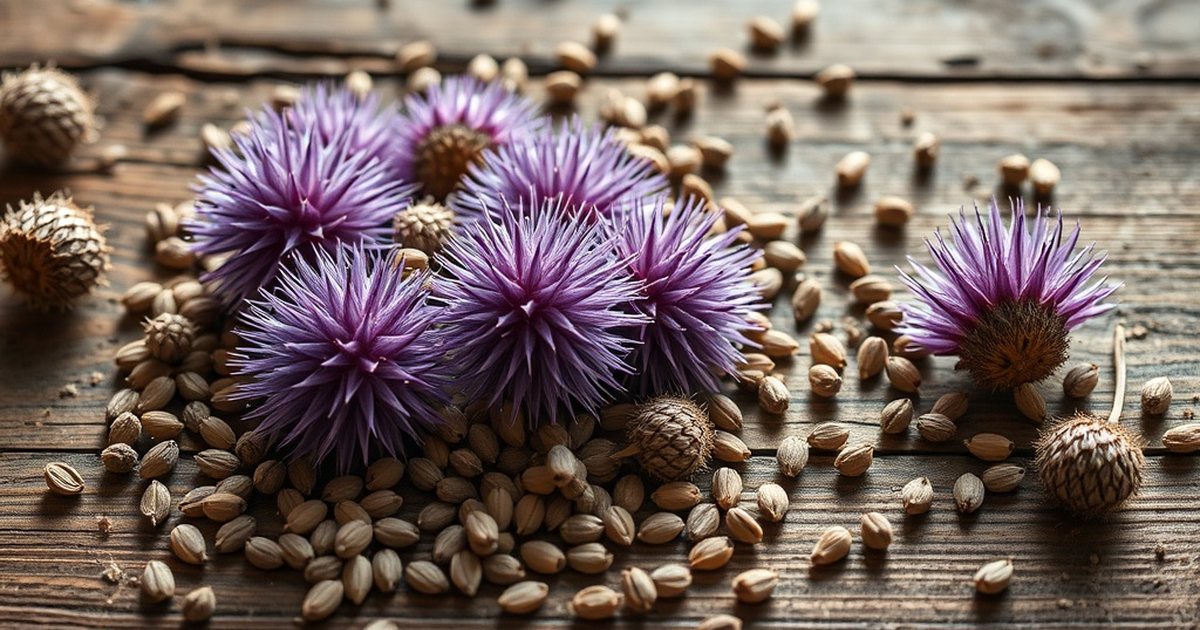
Research into specific variants of the plant suggests consistent bioactivity. A study evaluating Silybum marianum variety albiflorum growing in Egypt confirmed significant hepatoprotective and antioxidant activities in experimental models, attributing effects to the flavonolignan content and radical scavenging capacity [8]. These findings support the generalizability of silymarin’s mechanism across different chemotypes.
Advanced delivery systems are being explored to overcome the poor oral bioavailability of silybin. Notably, silymarin-loaded nanoparticles demonstrated enhanced prevention of paracetamol-induced hepatotoxicity in rats compared to free silymarin, showing superior restoration of antioxidant enzymes (SOD, CAT, GPx) and reduction of lipid peroxidation and inflammatory cytokines (TNF-α, IL-6) [3]. This suggests formulation significantly influences the magnitude of hepatoprotection observed in preclinical studies.
Preclinical Evidence: Silymarin in Models of Chemical and Drug-Induced Hepatotoxicity
The bulk of evidence for silymarin in DILI derives from rodent models using hepatotoxins such as carbon tetrachloride (CCl4), thioacetamide, acetaminophen, and antitubercular drug regimens. In a model of thioacetamide-induced chronic liver fibrosis—a progressive form of injury—silymarin administration attenuated fibrogenesis, reduced collagen deposition, and improved liver architecture, likely via inhibition of hepatic stellate cell activation and oxidative stress pathways [5]. While fibrosis represents a chronic endpoint, these mechanisms are relevant to ongoing injury from chronic medication use.

Acetaminophen (paracetamol) overdose is the most studied model of acute DILI. Silymarin nanoparticle formulations significantly protected against paracetamol-induced necrosis, preserved mitochondrial function, and modulated the JNK/ERK signaling pathway involved in cell death decisions [3]. Furthermore, a 2025 study investigating multi-organ protection found that milk thistle extract, alongside other botanicals, mitigated acetaminophen-induced acute kidney injury in mice, suggesting systemic cytoprotective effects beyond the liver [9].
Specific drug classes have been tested in combination with silymarin. In rats treated with antitubercular drugs (isoniazid, rifampicin, pyrazinamide), silymarin co-administration prevented the rise in serum transaminases and preserved hepatic antioxidant status. Interestingly, this study also demonstrated that diabetic rats were more susceptible to antitubercular drug-induced liver injury, yet silymarin retained its protective efficacy in this comorbid model [4]. Additionally, silymarin showed preventive effects against colistin-induced nephrotoxicity in rats, indicating potential for protecting against multi-organ toxicity from polymyxin antibiotics [10].
Clinical Translation Challenges and Evidence Gaps
Despite robust preclinical data, high-quality clinical trials demonstrating silymarin efficacy for the prevention or treatment of DILI in humans are scarce. The 2024 review on nutraceuticals for DILI emphasizes that while mechanistic plausibility is strong, clinical evidence often suffers from small sample sizes, heterogeneous patient populations, lack of standardization in silymarin dosing and formulation, and absence of rigorous intention-to-treat analyses [6].
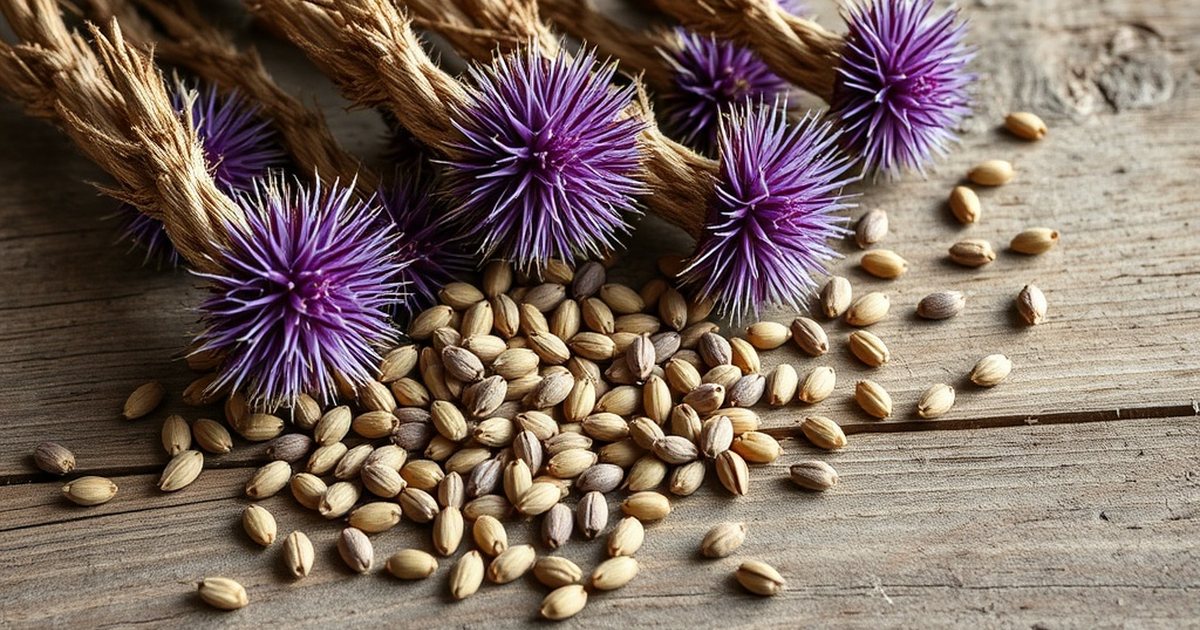
A key metabolic perspective highlights that the anti-hepatotoxic effect of herbal compounds like silymarin involves complex modulation of drug-metabolizing enzymes (CYPs) and transporters. While this can be protective by reducing bioactivation of protoxins, it simultaneously introduces the risk of clinically significant herb-drug interactions altering the pharmacokinetics of co-administered medications [2]. This duality complicates the risk-benefit assessment in polypharmacy patients who are at highest risk for DILI.

Furthermore, the diagnosis of DILI itself is one of exclusion. Adding a botanical agent with its own potential for hepatotoxicity (as noted in the literature on botanical hepatotoxicity [7]) or variable quality control confounds the clinical picture. Without definitive biomarkers of silymarin’s target engagement in human DILI, clinical adoption remains empirical rather than evidence-based.
Safety Profile, Drug Interactions, and Quality Considerations
Milk thistle is generally well-tolerated in clinical trials, with a mild adverse event profile typically limited to gastrointestinal upset (nausea, bloating, diarrhea) and rare allergic reactions. However, the potential for allergic cross-reactivity exists in individuals sensitive to the Asteraceae/Compositae family (ragweed, chrysanthemums, marigolds, daisies) [7].
The most significant clinical concern involves cytochrome P450 (CYP450) modulation. Silymarin constituents have been shown to inhibit and/or induce various CYP isoforms (including CYP3A4, CYP2C9, CYP2D6) and transporters (P-glycoprotein, OATP1B1/1B3) in vitro and in vivo [2]. This poses interaction risks for medications with narrow therapeutic indices metabolized by these pathways, such as certain statins, diabetes agents (e.g., sulfonylureas, repaglinide), anticoagulants, and hormonal therapies. The metabolic mechanism perspective notes that these interactions are concentration-dependent and influenced by formulation bioavailability [2].
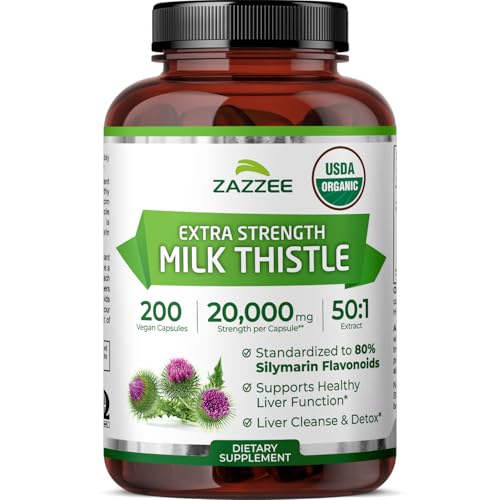
Product quality is a critical variable. As dietary supplements, milk thistle products are not FDA-evaluated for safety or effectiveness prior to marketing. Variability in silymarin content, silybin isomer ratios, and potential contamination with pesticides, heavy metals, or adulterants has been documented in the broader botanical literature [7]. Clinicians and patients should prioritize products certified by independent third-party testing organizations (e.g., USP, NSF, ConsumerLab) to ensure identity, potency, and purity.
Practical Summary: Positioning Milk Thistle in Liver Health Strategy
Current evidence supports milk thistle (silymarin) as a biologically plausible hepatoprotective agent with demonstrated efficacy in diverse preclinical models of DILI, including those induced by acetaminophen, antitubercular drugs, and fibrogenic toxins [3][4][5]. Its mechanisms—antioxidant defense, membrane stabilization, anti-inflammatory signaling modulation, and regenerative stimulation—are well-documented at the cellular level [2][8].
However, clinical proof of efficacy for preventing or treating human DILI is insufficient to support routine recommendation. Major guidelines (e.g., AASLD, EASL) do not endorse silymarin for DILI prophylaxis or treatment due to lack of robust randomized controlled trial data [6]. Its use should be considered complementary, not alternative, to standard medical management: immediate cessation of the hepatotoxin, supportive care, and specialist referral.
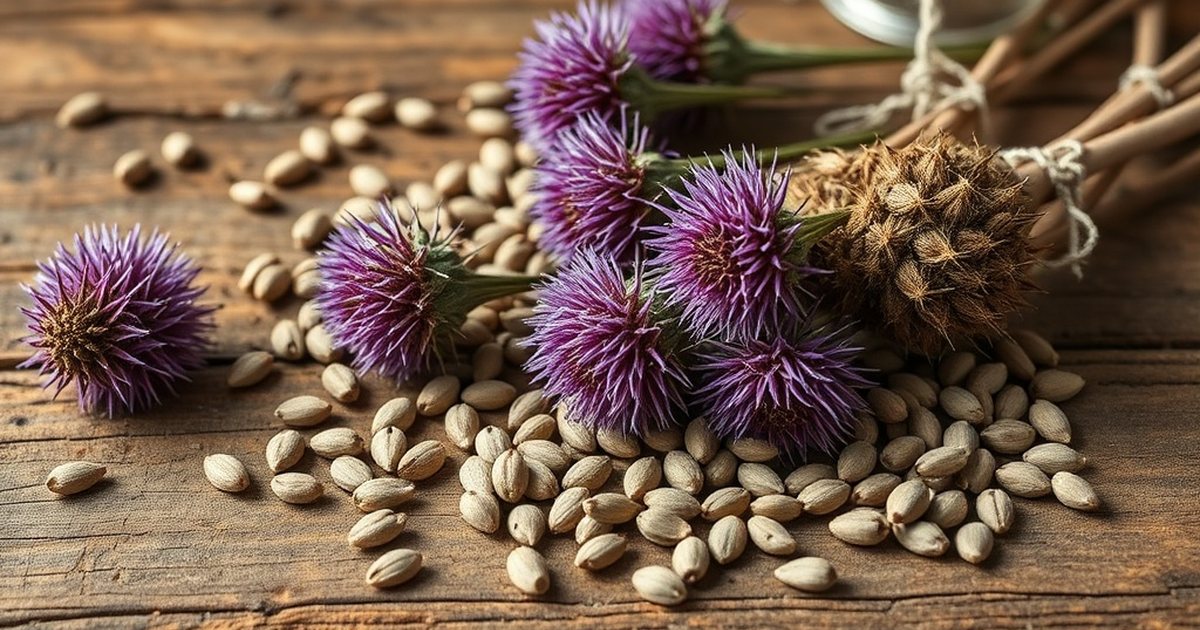
For patients considering milk thistle, a shared decision-making approach is essential. This includes verifying the absence of Asteraceae allergy, reviewing the full medication list for CYP450-mediated interaction risks with a pharmacist or physician, selecting a standardized, third-party verified product, and establishing clear monitoring parameters (LFTs, symptomatology) with the treating clinician. It is not intended to diagnose, treat, cure, or prevent any disease.
🛒 Where to Buy Milk Thistle (Silymarin)

- CleanseParasites Heavy Metal + Microplastics Binder Editor’s Pick
Contains milk thistle alongside spirulina, zeolite, and other binder herbs. - Thorne Siliphos (Silybin Phosphatidylcholine Complex)Lab-tested / studied
capsules, 1 capsule (~120mg silybin-phosphatidylcholine complex) — Clinically-studied phospholipid complex form used in bioavailability research; NSF Certified for Sport option - Jarrow Formulas Milk Thistle 150mg (Silymarin Standardized Extract)
capsules, 1 capsule (150mg, 80% silymarin) — Widely used, third-party tested, standard 80% silymarin extract at an accessible price - NOW Foods Silymarin Milk Thistle Extract 150mg
capsules, 1 capsule (150mg, 80% silymarin) — GMP-certified, budget-friendly staple brand with consistent standardization - Nature’s Way Milk Thistle Thisilyn Standardized Extract
capsules, 1 capsule (175mg, 80% silymarin) — Long-running standardized formula, one of the most established milk thistle brands in the US market
As an Amazon Associate we earn from qualifying purchases. Quality varies widely — always choose a product with a published third-party test (COA) before buying.
A Note on the Evidence
Milk thistle supplements are not FDA-evaluated for safety or effectiveness and are not intended to diagnose, treat, cure, or prevent any disease. Evidence for DILI protection is primarily preclinical; clinical efficacy is unproven. It interacts with CYP450-metabolized medications. Those with ragweed/Asteraceae allergies or diagnosed liver disease must consult a physician before use. This content is informational, not medical advice.
Frequently Asked Questions
Can milk thistle prevent liver damage from acetaminophen (Tylenol) overdose?
Preclinical studies, including those using nanoparticle formulations, show silymarin can protect against acetaminophen-induced hepatotoxicity in rodents by restoring antioxidant defenses and reducing necrosis [3]. However, human data for this specific indication is lacking, and silymarin is not a substitute for the antidote N-acetylcysteine (NAC) or emergency care in overdose situations.
Does milk thistle protect the liver during tuberculosis treatment?
A rat study demonstrated that silymarin co-administration prevented antitubercular drug (isoniazid/rifampicin/pyrazinamide)-induced liver injury and oxidative stress, even in diabetic animals [4]. Clinical trials in humans are needed to confirm safety and efficacy in this context, particularly regarding potential interactions with rifampicin (a potent CYP inducer).
Is milk thistle safe for people with existing liver disease (e.g., cirrhosis, hepatitis)?
While often used in chronic liver disease populations, the evidence for benefit in DILI specifically is preclinical. Patients with diagnosed liver disease have altered drug metabolism and portal hypertension risks; they must consult a hepatologist before use to avoid decompensation or herb-drug interactions [2].

What medications interact with milk thistle?
Silymarin modulates CYP3A4, CYP2C9, CYP2D6, and transporters like P-gp and OATP1B1/3 [2]. This may affect plasma levels of statins, certain diabetes medications (sulfonylureas, glinides), hormonal contraceptives/therapies, anticoagulants, and immunosuppressants. A pharmacist review is essential.
How should I choose a milk thistle supplement for liver support?
Select products standardized to 70-80% silymarin with verified silybin content, certified by USP, NSF International, or ConsumerLab for identity, potency, and contaminant limits. Variability in commercial products is a documented concern [7].
Can milk thistle itself cause liver injury?
Yes, although rare, hepatotoxicity has been reported with herbal products, including potential for contamination, adulteration, or idiosyncratic reactions [7]. Allergic reactions are possible in those with Asteraceae (ragweed) allergy. Discontinue and seek care if jaundice, dark urine, or right upper quadrant pain develop.
References
- Riley TR 3rd et al. Preventive strategies in chronic liver disease: part I. Alcohol, vaccines, toxic medications and supplements, diet and exercise. American family physician (2001). PMID 11730310
- Rani J et al. Drug-induced liver injury and anti-hepatotoxic effect of herbal compounds: a metabolic mechanism perspective. Phytomedicine : international journal of phytotherapy and phytopharmacology (2024). PMID 37913641
- Das S et al. Silymarin nanoparticle prevents paracetamol-induced hepatotoxicity. International journal of nanomedicine (2011). PMID 21753880
- Srivastava RK et al. Influence of diabetes on liver injury induced by antitubercular drugs and on silymarin hepatoprotection in rats. Methods and findings in experimental and clinical pharmacology (2008). PMID 19271021
- Chen IS et al. Hepatoprotection of silymarin against thioacetamide-induced chronic liver fibrosis. Journal of the science of food and agriculture (2012). PMID 22102319
- Sethi N et al. Therapeutic Potential of Nutraceuticals against Drug-Induced Liver Injury. Seminars in liver disease (2024). PMID 39393795
- Stickel F et al. Hepatotoxicity of botanicals. Public health nutrition (2000). PMID 10948380
- Ahmed HS et al. Cytotoxic, hepatoprotective and antioxidant activities of Silybum marianum variety albiflorum growing in Egypt. Natural product research (2020). PMID 30856005
- Al Housseini I et al. Nephroprotective Effect of <italic>Mucuna pruriens</italic>, <italic>Moringa oleifera</italic>, <italic>and</italic> Milk Thistle Extracts against Acetaminophen-Induced Acute Kidney Injury in Mice. Kidney & blood pressure research (2025). PMID 40628252
- Dumludag B et al. Role of silymarin (Silybum marianum) in the prevention of colistin-induced acute nephrotoxicity in rats. Drug and chemical toxicology (2022). PMID 32174194
These statements have not been evaluated by the Food and Drug Administration. This information is not intended to diagnose, treat, cure, or prevent any disease. Content is for informational purposes only and is not medical advice; consult a qualified healthcare provider before starting any supplement. As an Amazon Associate we earn from qualifying purchases.