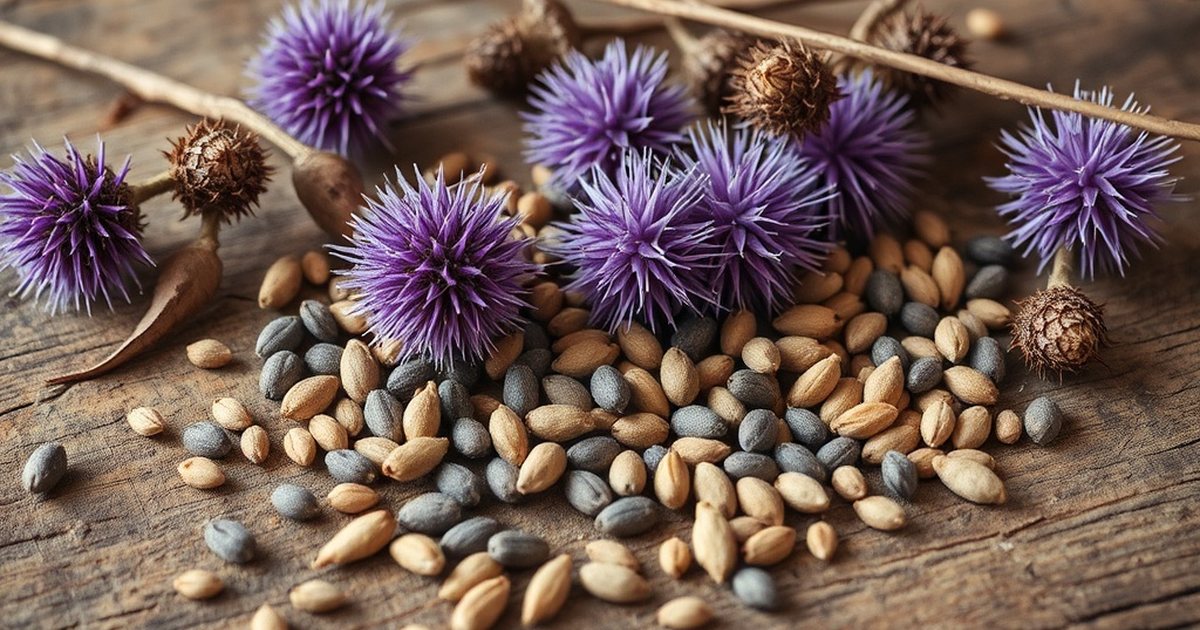
Milk thistle (Silybum marianum) seed extract, standardized to the flavonolignan complex silymarin, has been studied for its potential effects on insulin resistance and metabolic syndrome. The primary active constituents — silybin (silibinin), isosilybin, silychristin, and silydianin — are investigated for antioxidant, membrane-stabilizing, and anti-inflammatory actions on hepatocytes, which may influence glucose and lipid metabolism.
Research includes preclinical models of fructose-induced insulin resistance, rodent studies on hepatic glucose production, and a limited number of human clinical trials in type 2 diabetes. This article summarizes the available evidence, proposed mechanisms, and important caveats. It is informational only and not medical advice; supplements are not FDA-evaluated for safety or effectiveness.
Key Takeaways
- Preclinical studies suggest silymarin may improve hepatic insulin sensitivity by reducing lipogenesis, modulating inflammation, and activating a gut–brain–liver axis, but these mechanisms are not confirmed in humans.
- A small number of human trials — including one triple-blinded RCT — report modest improvements in glycemic indices and lipid profiles with standardized silymarin extracts, but studies are short-term and often use combination products.
- Silymarin has low oral bioavailability; formulation (e.g., phytosome, nanoparticle) significantly affects exposure, and product quality varies widely.
- Milk thistle can interact with CYP450-metabolized medications, including statins, diabetes drugs, and hormonal therapies; medical supervision is essential for people on prescription medications.
- Current evidence is insufficient to recommend milk thistle as a treatment for insulin resistance or metabolic syndrome; it should not replace proven lifestyle or pharmacologic interventions.
Proposed Mechanisms Linking Silymarin to Glucose Metabolism
Preclinical work suggests silymarin may improve insulin sensitivity through several pathways. In a rat model of fructose-induced insulin resistance syndrome, silymarin reduced de novo hepatic lipogenesis, which is a key driver of hepatic insulin resistance [1]. Another rodent study found that silibinin decreased hepatic glucose production by activating a gut–brain–liver neural axis, pointing to a central nervous system–mediated mechanism [2].
Reviews of the mechanistic literature highlight silymarin’s antioxidant and membrane-stabilizing properties in hepatocytes, its modulation of inflammatory signaling (e.g., NF-κB, TNF-α), and its influence on lipid metabolism enzymes such as AMPK and PPAR-γ [3] [4]. These actions may collectively improve hepatic insulin signaling and reduce ectopic fat deposition, both central features of metabolic syndrome.

Animal Models of Metabolic Syndrome and Dyslipidemia
In addition to fructose-fed rats, a 2019 study examined a combined diet containing n-3 polyunsaturated fatty acids and silymarin in a rat model of metabolic syndrome, reporting improvements in multiple metabolic parameters compared with either intervention alone [5]. An earlier study demonstrated that improving the bioavailability of silymarin ameliorated severe dyslipidemia associated with metabolic syndrome in rodents [6].
These animal studies provide mechanistic plausibility but cannot be directly extrapolated to humans. Species differences in silymarin pharmacokinetics, dosing, and disease models limit translational certainty.
Human Clinical Trials: Glycemic Control in Type 2 Diabetes
A triple-blinded, randomized controlled trial in patients with type 2 diabetes mellitus evaluated a novel dose of Silybum marianum extract and reported lower glycemic indices and improved lipid profiles in the treatment group [7]. This represents one of the few controlled human studies specifically testing a standardized silymarin preparation for glycemic outcomes.
An earlier meta-analysis of herbal supplements for glycemic control in type 2 diabetes included milk thistle among the interventions reviewed, though the number of milk thistle-specific trials was small and heterogeneity was high [8]. A review of antidiabetic plants of Iran also listed Silybum marianum as a traditionally used species with some clinical investigation [9].

Two pilot studies explored a fixed combination of Berberis aristata and Silybum marianum standardized extracts versus berberine alone in patients with type 2 diabetes, suggesting a possible glycemic advantage for the combination [10] [11]. However, these were small, open-label or preliminary designs, and the specific contribution of silymarin versus berberine cannot be isolated.
Bioavailability Challenges and Formulation Strategies
Silymarin flavonolignans have notoriously low oral bioavailability due to poor aqueous solubility, extensive phase II conjugation (glucuronidation, sulfation), and efflux by transporters such as P-glycoprotein [12]. This pharmacokinetic limitation complicates dose–response relationships in both animal and human studies.
Formulation strategies to enhance bioavailability include phytosomes (silybin–phosphatidylcholine complexes), micelles, nanoparticles, lipid-based systems, and cyclodextrin inclusion complexes [12]. The clinical trial reporting glycemic benefit used a novel dose formulation [7], but comparative bioavailability data across commercial products are limited. Consumers should be aware that “silymarin” content on labels does not guarantee equivalent systemic exposure.
Safety, Drug Interactions, and Special Populations
Milk thistle is generally well tolerated in clinical trials, with mild gastrointestinal symptoms the most commonly reported adverse effects. However, silymarin constituents can inhibit and induce several cytochrome P450 enzymes (including CYP3A4, CYP2C9, CYP2C19) and transporters, creating potential for interactions with medications metabolized by these pathways — notably some statins, diabetes drugs (e.g., sulfonylureas, metformin), and hormonal therapies [3] [4].

Individuals with ragweed or Asteraceae family allergies may experience hypersensitivity reactions. People with diagnosed liver disease, who are often the target population for milk thistle, should consult a physician before use because altered hepatic metabolism may affect both drug clearance and silymarin pharmacokinetics. Pregnant and lactating individuals should avoid use due to insufficient safety data.
Evidence Gaps and Limitations
The evidence base for milk thistle in insulin resistance and metabolic syndrome remains limited. Most mechanistic data derive from rodent models using doses and formulations that may not reflect human oral supplementation. Human trials are few, generally small, short-term, and often test combination products rather than silymarin monotherapy [7] [10] [11].
No large, long-term, multicenter randomized controlled trials have established efficacy for preventing progression from insulin resistance to type 2 diabetes or for reducing cardiovascular events in metabolic syndrome. Heterogeneity in silymarin standardization, bioavailability enhancement, and dosing across studies precludes firm conclusions about optimal regimens. Systematic reviews consistently call for more rigorous clinical research [3] [4] [8].
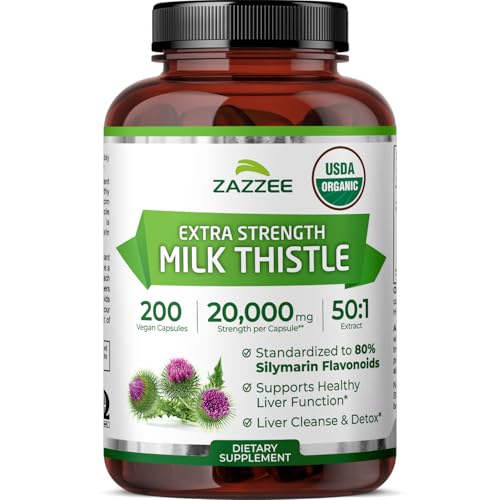
🛒 Where to Buy Milk Thistle (Silymarin)
- CleanseParasites Heavy Metal + Microplastics Binder Editor’s Pick
Contains milk thistle alongside spirulina, zeolite, and other binder herbs. - Thorne Siliphos (Silybin Phosphatidylcholine Complex)Lab-tested / studied
capsules, 1 capsule (~120mg silybin-phosphatidylcholine complex) — Clinically-studied phospholipid complex form used in bioavailability research; NSF Certified for Sport option - Jarrow Formulas Milk Thistle 150mg (Silymarin Standardized Extract)
capsules, 1 capsule (150mg, 80% silymarin) — Widely used, third-party tested, standard 80% silymarin extract at an accessible price - NOW Foods Silymarin Milk Thistle Extract 150mg
capsules, 1 capsule (150mg, 80% silymarin) — GMP-certified, budget-friendly staple brand with consistent standardization - Nature’s Way Milk Thistle Thisilyn Standardized Extract
capsules, 1 capsule (175mg, 80% silymarin) — Long-running standardized formula, one of the most established milk thistle brands in the US market
As an Amazon Associate we earn from qualifying purchases. Quality varies widely — always choose a product with a published third-party test (COA) before buying.
A Note on the Evidence
Milk thistle supplements are not FDA-evaluated for safety or effectiveness and are not intended to diagnose, treat, cure, or prevent any disease. Silymarin can interact with CYP450-metabolized medications (including some statins, diabetes drugs, and hormonal therapies). Individuals with ragweed/Asteraceae allergies, diagnosed liver disease, or those taking prescription medications should consult a physician before use. This content is informational, not medical advice.
Frequently Asked Questions
Does milk thistle lower blood sugar in people with type 2 diabetes?
One triple-blinded RCT found a novel dose of standardized silymarin extract lowered glycemic indices and improved lipid profiles in type 2 diabetes patients [7]. However, this is a single study; other trials are small or use combination products, so a definitive effect cannot be concluded.
How does silymarin potentially improve insulin resistance?
Animal studies show silymarin reduces hepatic de novo lipogenesis [1] and silibinin activates a gut–brain–liver axis to decrease hepatic glucose production [2]. Reviews note antioxidant, anti-inflammatory, and AMPK/PPAR-γ modulation in hepatocytes [3] [4]. Human mechanistic data are lacking.
Can I take milk thistle with my diabetes medication?
Silymarin can inhibit and induce CYP450 enzymes (CYP3A4, CYP2C9, CYP2C19) and transporters, potentially altering levels of diabetes drugs such as sulfonylureas or metformin [3] [4]. Consult your prescribing clinician before combining.

Which milk thistle supplement form is best absorbed?
Phytosome (silybin–phosphatidylcholine), micellar, nanoparticle, and lipid-based formulations show enhanced bioavailability compared with standard extracts [12]. However, head-to-head clinical comparisons are limited, and product quality varies.
Is milk thistle safe for people with liver disease?
Milk thistle is often used by people with liver conditions, but those with diagnosed liver disease should consult a physician before use because altered hepatic metabolism may affect both drug clearance and silymarin pharmacokinetics, and safety in advanced disease is not established.
Can milk thistle prevent metabolic syndrome?
No long-term prevention trials exist. Current evidence is limited to short-term glycemic and lipid improvements in small studies [7] [10] [11]. Lifestyle modification remains the cornerstone of metabolic syndrome prevention.
References
- Prakash P et al. Silymarin ameliorates fructose induced insulin resistance syndrome by reducing de novo hepatic lipogenesis in the rat. European journal of pharmacology (2014). PMID 24486395
- Xu F et al. Silibinin decreases hepatic glucose production through the activation of gut-brain-liver axis in diabetic rats. Food & function (2018). PMID 30178798
- Vahabzadeh M et al. Effects of silymarin on metabolic syndrome: a review. Journal of the science of food and agriculture (2018). PMID 29736939
- Tajmohammadi A et al. Silybum marianum (milk thistle) and its main constituent, silymarin, as a potential therapeutic plant in metabolic syndrome: A review. Phytotherapy research : PTR (2018). PMID 30015401
- Poruba M et al. The effect of combined diet containing n-3 polyunsaturated fatty acids and silymarin on metabolic syndrome in rats. Physiological research (2019). PMID 31755289
- Poruba M et al. Improvement bioavailability of silymarin ameliorates severe dyslipidemia associated with metabolic syndrome. Xenobiotica; the fate of foreign compounds in biological systems (2015). PMID 26068528
- Ebrahimpour-Koujan S et al. Lower glycemic indices and lipid profile among type 2 diabetes mellitus patients who received novel dose of Silybum marianum (L.) Gaertn. (silymarin) extract supplement: A Triple-blinded randomized controlled clinical trial. Phytomedicine : international journal of phytotherapy and phytopharmacology (2018). PMID 29895491
- Suksomboon N et al. Meta-analysis of the effect of herbal supplement on glycemic control in type 2 diabetes. Journal of ethnopharmacology (2011). PMID 21843614
- Shojaii A et al. Antidiabetic plants of Iran. Acta medica Iranica (2011). PMID 22071637
- Di Pierro F et al. Preliminary study about the possible glycemic clinical advantage in using a fixed combination of Berberis aristata and Silybum marianum standardized extracts versus only Berberis aristata in patients with type 2 diabetes. Clinical pharmacology : advances and applications (2013). PMID 24277991
- Di Pierro F et al. Pilot study on the additive effects of berberine and oral type 2 diabetes agents for patients with suboptimal glycemic control. Diabetes, metabolic syndrome and obesity : targets and therapy (2012). PMID 22924000
- Di Costanzo A et al. Formulation Strategies for Enhancing the Bioavailability of Silymarin: The State of the Art. Molecules (Basel, Switzerland) (2019). PMID 31181687
These statements have not been evaluated by the Food and Drug Administration. This information is not intended to diagnose, treat, cure, or prevent any disease. Content is for informational purposes only and is not medical advice; consult a qualified healthcare provider before starting any supplement. As an Amazon Associate we earn from qualifying purchases.