Silymarin, a flavonolignan complex extracted from milk thistle (Silybum marianum) seeds, has been investigated for decades for its hepatoprotective and antioxidant properties. A key mechanism underlying these effects is the activation of the nuclear factor erythroid 2-related factor 2 (Nrf2) pathway, which regulates the expression of numerous antioxidant and detoxification genes.
This article summarizes preclinical research on how silymarin and its major constituents—including silybin, isosilybin, and silibinin—modulate Nrf2 signaling in models of liver, kidney, and neuronal injury. It is important to note that milk thistle supplements are not FDA-evaluated for safety or effectiveness and are not intended to diagnose, treat, cure, or prevent any disease; they can interact with CYP450-metabolized medications, and individuals with ragweed allergies or diagnosed liver disease should consult a physician before use.
Key Takeaways
- Silymarin and its flavonolignans (e.g., isosilybin, silybin, silibinin) activate the Nrf2/ARE pathway in preclinical models, upregulating endogenous antioxidant and detoxification enzymes.
- Nrf2 activation by silymarin has been documented in neuronal, hepatic, and renal tissues, contributing to protection against oxidative stress, inflammation, and apoptosis.
- Silymarin’s effects involve crosstalk between Nrf2 and other signaling pathways, notably NF-κB and PI3K/Akt, suggesting a multi-target mechanism.
- Clinical evidence for Nrf2-mediated benefits in humans is currently lacking; most human trials assess liver function outcomes rather than Nrf2 pathway biomarkers.
- Silymarin supplements are not FDA-approved for any medical condition and can interact with CYP450-metabolized drugs; medical consultation is advised before use.
The Nrf2 Pathway: A Master Regulator of Cellular Antioxidant Defense
The Nrf2 pathway is a critical cellular signaling cascade that responds to oxidative and electrophilic stress. Under basal conditions, Nrf2 is sequestered in the cytoplasm by Keap1 and targeted for degradation. Upon exposure to oxidative stressors or certain phytochemicals, Nrf2 dissociates, translocates to the nucleus, and binds to antioxidant response elements (ARE) in the promoter regions of target genes. This drives the expression of phase II detoxifying enzymes (e.g., glutathione S-transferase, NAD(P)H quinone dehydrogenase 1) and antioxidant proteins such as heme oxygenase-1 (HO-1).
Silymarin’s flavonolignans are among the natural compounds reported to activate this pathway. By promoting Nrf2 nuclear translocation and ARE-driven gene expression, silymarin may enhance the cell’s intrinsic capacity to neutralize reactive oxygen species (ROS) and maintain redox homeostasis. This mechanism is distinct from direct free-radical scavenging and represents a sustained, genomic-level antioxidant response.

Nrf2 Activation by Silymarin Flavonolignans in Neuronal Models
Several studies have demonstrated that silymarin components activate Nrf2 in neuronal cells, offering protection against neurotoxic insults. Isosilybin, a flavonolignan present in silymarin, was shown to activate the NRF2/ARE pathway and alleviate amyloid-beta (Aβ25-35)-induced oxidative stress injury in HT-22 hippocampal neuronal cells [1]. This suggests a potential role for silymarin constituents in mitigating oxidative damage associated with neurodegenerative conditions.
In a rat model of thiamethoxam-induced neurotoxicity, silymarin administration attenuated oxidative stress and neuroinflammation by modulating the Nrf2/NF-κB/iNOS signaling axis, preserving neuronal integrity [2]. Additionally, silybin B (a major diastereomer of silybin) exerted protective effects against cisplatin-induced neurotoxicity by reducing DNA damage and apoptosis, processes often linked to oxidative stress dysregulation [3]. While the latter study did not explicitly measure Nrf2 activation, the observed reduction in oxidative damage aligns with Nrf2-mediated cytoprotection.
Hepatoprotection: Silymarin, Nrf2, and Redox Balance in the Liver
The liver is a primary target for silymarin’s therapeutic use, and preclinical data support a role for Nrf2 in its hepatoprotective actions. In weaned piglets challenged with paraquat-induced oxidative stress, silybin supplementation alleviated hepatic injury by restoring redox balance, suppressing inflammatory responses, and improving mitochondrial function [4]. These effects are consistent with Nrf2 pathway activation, which coordinates antioxidant enzyme expression and mitochondrial quality control.
Historical reviews of silymarin’s experimental pharmacology and clinical applications in hepatic disorders highlight its membrane-stabilizing, antioxidant, and anti-inflammatory properties [5]. A clinical review further noted silymarin’s use in managing various liver conditions, though the specific contribution of Nrf2 activation in human liver disease remains an area of ongoing investigation [6].

Renal Protective Effects Mediated by Nrf2 Signaling
Silymarin and its constituents have also shown protective effects in kidney models through Nrf2 modulation. In a Wistar rat model of renal carcinogenesis, treatment with Silybum marianum total extract, silymarin, and silibinin modulated multiple signaling pathways, including Nrf2, PPARγ, NF-κB, and PI3K/Akt, resulting in reduced oxidative stress, apoptosis, and tumor progression [7]. The upregulation of Nrf2 in this context suggests enhanced antioxidant and detoxification capacity in renal tissue.
Mechanistic Crosstalk: Nrf2, NF-κB, and PI3K/Akt Pathways
The antioxidant and anti-inflammatory actions of silymarin often involve crosstalk between Nrf2 and other key signaling hubs. In the thiamethoxam neurotoxicity model, silymarin’s neuroprotection was associated with Nrf2 activation concurrent with inhibition of NF-κB and iNOS, indicating coordinated suppression of oxidative stress and inflammation [2].
Similarly, the renal carcinogenesis study reported that silymarin modulated Nrf2 alongside PPARγ, NF-κB, and PI3K/Akt pathways, suggesting a network-level effect rather than isolated pathway activation [7]. Research using silymarin/silybin-functionalized selenium nanoparticles further demonstrated inhibition of LPS-induced inflammation via the PI3K/AKT/NF-κB pathway, highlighting the versatility of silymarin formulations in targeting inflammatory signaling [8]. While the nanoparticle study did not focus on Nrf2, the PI3K/Akt pathway is known to regulate Nrf2 activity, providing a potential mechanistic link.
Clinical Context and Limitations of Current Evidence
Despite robust preclinical data linking silymarin to Nrf2 activation, direct clinical evidence in humans remains limited. Most human studies have focused on silymarin’s effects on liver enzyme levels, fibrosis markers, and symptom relief in conditions such as viral hepatitis, alcoholic liver disease, and non-alcoholic fatty liver disease, without routinely measuring Nrf2 pathway activity [6][5].

Furthermore, the bioavailability of silymarin flavonolignans is relatively low, and formulations vary widely. Translating Nrf2 activation observed in cell and animal models to consistent clinical outcomes requires well-designed human trials with pharmacokinetic and pharmacodynamic endpoints. Until such data are available, claims about silymarin’s Nrf2-mediated benefits in humans should be considered preliminary.
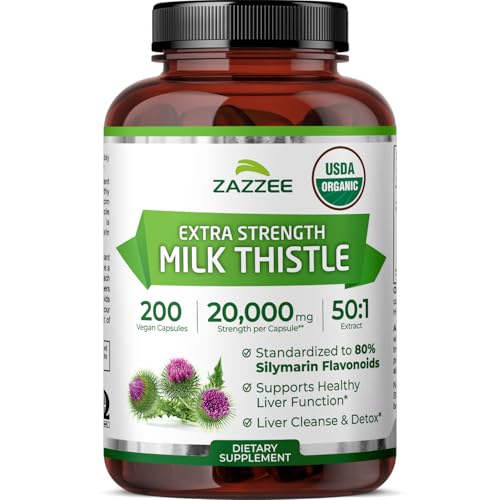
🛒 Where to Buy Milk Thistle (Silymarin)
- CleanseParasites Heavy Metal + Microplastics Binder Editor’s Pick
Contains milk thistle alongside spirulina, zeolite, and other binder herbs. - Thorne Siliphos (Silybin Phosphatidylcholine Complex)Lab-tested / studied
capsules, 1 capsule (~120mg silybin-phosphatidylcholine complex) — Clinically-studied phospholipid complex form used in bioavailability research; NSF Certified for Sport option - Jarrow Formulas Milk Thistle 150mg (Silymarin Standardized Extract)
capsules, 1 capsule (150mg, 80% silymarin) — Widely used, third-party tested, standard 80% silymarin extract at an accessible price - NOW Foods Silymarin Milk Thistle Extract 150mg
capsules, 1 capsule (150mg, 80% silymarin) — GMP-certified, budget-friendly staple brand with consistent standardization - Nature’s Way Milk Thistle Thisilyn Standardized Extract
capsules, 1 capsule (175mg, 80% silymarin) — Long-running standardized formula, one of the most established milk thistle brands in the US market
As an Amazon Associate we earn from qualifying purchases. Quality varies widely — always choose a product with a published third-party test (COA) before buying.
A Note on the Evidence
The evidence for silymarin’s Nrf2 activation comes primarily from cell and animal studies; human clinical trials measuring Nrf2 pathway activity are lacking. Silymarin supplements are not intended to diagnose, treat, cure, or prevent any disease and may interact with prescription medications. Consult a healthcare professional before use, especially if you have a medical condition or take CYP450-metabolized drugs.
Frequently Asked Questions
What is the Nrf2 pathway and why is it important for antioxidant defense?
The Nrf2 pathway is a cellular signaling system that regulates the expression of antioxidant and detoxification genes. When activated, Nrf2 moves to the nucleus and binds to antioxidant response elements (ARE), driving production of enzymes like glutathione S-transferase and heme oxygenase-1 that neutralize oxidative stress [1].
Does silymarin directly activate Nrf2?
Preclinical studies show that silymarin constituents, particularly isosilybin, can activate the NRF2/ARE pathway in neuronal cells [1]. In liver and kidney models, silymarin and silibinin treatments are associated with Nrf2 modulation alongside other protective pathways [4][7].
Can silymarin protect the brain through Nrf2?
Animal studies indicate silymarin exerts neuroprotective effects against toxin-induced oxidative stress by activating Nrf2 and inhibiting NF-κB/iNOS signaling [2]. Silybin B also reduced cisplatin-induced neurotoxicity and DNA damage [3]. Human data are not available.

Is there evidence that silymarin helps liver disease via Nrf2?
In a piglet model of paraquat-induced liver injury, silybin improved redox balance, mitochondrial function, and inflammation, effects consistent with Nrf2 activation [4]. Clinical reviews note silymarin’s use in hepatic disorders but do not confirm Nrf2 as the primary mechanism in patients [6][5].
Does silymarin affect kidney health through Nrf2?
In a rat renal carcinogenesis model, silymarin, silibinin, and total extract modulated Nrf2, PPARγ, NF-κB, and PI3K/Akt pathways, reducing oxidative stress and apoptosis [7]. This suggests renal protective potential, but human studies are needed.
Are there any risks or interactions with silymarin supplements?
Silymarin can interact with medications metabolized by CYP450 enzymes (including some statins, diabetes drugs, and hormonal therapies). People with ragweed/Asteraceae allergies or diagnosed liver disease should consult a physician before use. Supplements are not FDA-evaluated for safety or effectiveness.
References
- Zhou J et al. Activation of NRF2/ARE by isosilybin alleviates Aβ25-35-induced oxidative stress injury in HT-22 cells. Neuroscience letters (2016). PMID 27567700
- Habotta O et al. Thiamethoxam evoked neural oxido-inflammatory stress in male rats through modulation of Nrf2/NF-kB/iNOS signaling and inflammatory cytokines: Neuroprotective effect of Silymarin. Neurotoxicology (2023). PMID 36958429
- Wang XL et al. Silybin B exerts protective effect on cisplatin-induced neurotoxicity by alleviating DNA damage and apoptosis. Journal of ethnopharmacology (2022). PMID 34999144
- Cai L et al. Silybin Alleviated Hepatic Injury by Regulating Redox Balance, Inflammatory Response, and Mitochondrial Function in Weaned Piglets under Paraquat-Induced Oxidative Stress. Antioxidants (Basel, Switzerland) (2024). PMID 38539857
- Pradhan SC et al. Hepatoprotective herbal drug, silymarin from experimental pharmacology to clinical medicine. The Indian journal of medical research (2006). PMID 17213517
- Wellington K et al. Silymarin: a review of its clinical properties in the management of hepatic disorders. BioDrugs : clinical immunotherapeutics, biopharmaceuticals and gene therapy (2001). PMID 11520257
- Yassin NYS et al. Tackling of Renal Carcinogenesis in Wistar Rats by Silybum marianum Total Extract, Silymarin, and Silibinin via Modulation of Oxidative Stress, Apoptosis, Nrf2, PPARγ, NF-κB, and PI3K/Akt Signaling Pathways. Oxidative medicine and cellular longevity (2021). PMID 34630852
- Abd-Rabou AA et al. Silymarin/Silybin-functionalized Selenium Nanoparticles Suppress Lipopolysaccharide-induced Inflammation via PI3K/AKT/NF-κB Signaling Pathway Inhibition. Chemistry & biodiversity (2025). PMID 40566869
These statements have not been evaluated by the Food and Drug Administration. This information is not intended to diagnose, treat, cure, or prevent any disease. Content is for informational purposes only and is not medical advice; consult a qualified healthcare provider before starting any supplement. As an Amazon Associate we earn from qualifying purchases.