Milk thistle supplement labels can be confusing. Some say “silymarin,” others say “silybin” (or “silibinin”), and a few use both terms as if they mean the same thing. They don’t, and understanding the difference matters if you’re trying to compare products or make sense of research claims about liver support.
This article breaks down what each term actually refers to, how they relate to one another, and why that distinction matters for anyone evaluating a milk thistle product. It is not a claim that either compound treats or prevents any disease, and it isn’t a substitute for medical advice.
Key Takeaways
- Silymarin is the full flavonolignan complex extracted from milk thistle seed; silybin (silibinin) is its single most abundant and most-studied component within that complex.
- Most milk thistle supplements are standard silymarin extracts; some specialty products isolate or chemically complex silybin specifically to try to improve absorption.
- Standard silymarin extract has relatively low oral bioavailability, which is the main practical reason some products use modified silybin formulations instead.
- The proposed antioxidant, membrane-stabilizing, and anti-inflammatory mechanisms are studied mostly at the mechanistic/lab level, not proven clinical outcomes in humans.
- Milk thistle supplements are not FDA-evaluated for safety or effectiveness; they are not intended to diagnose, treat, cure, or prevent any disease.
What Silymarin Actually Is
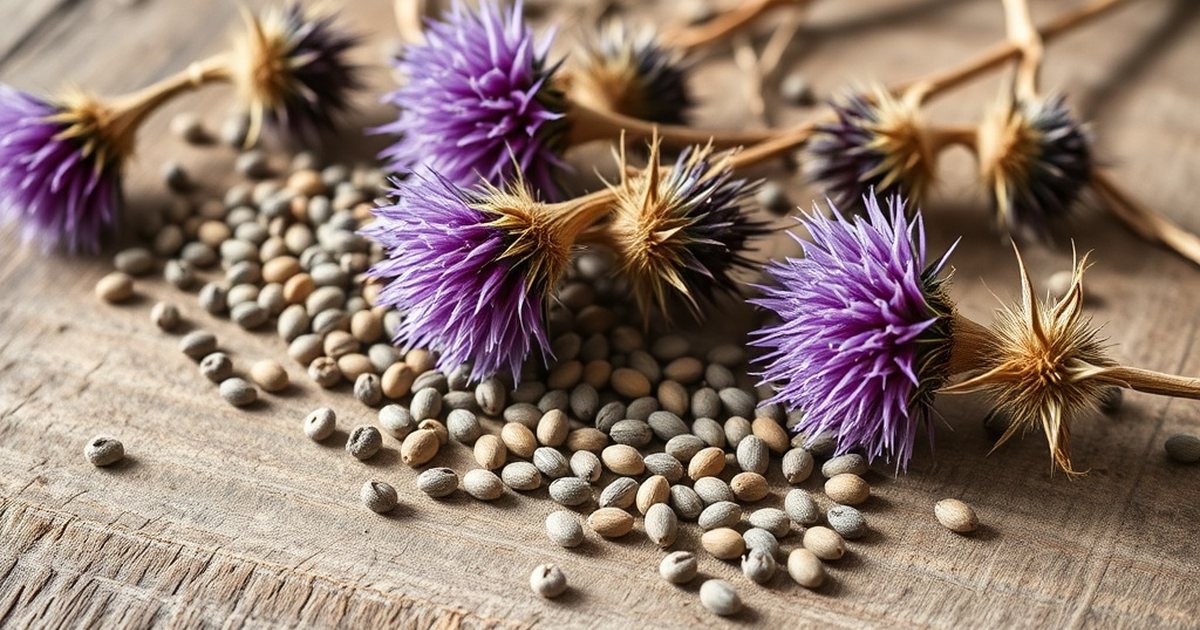
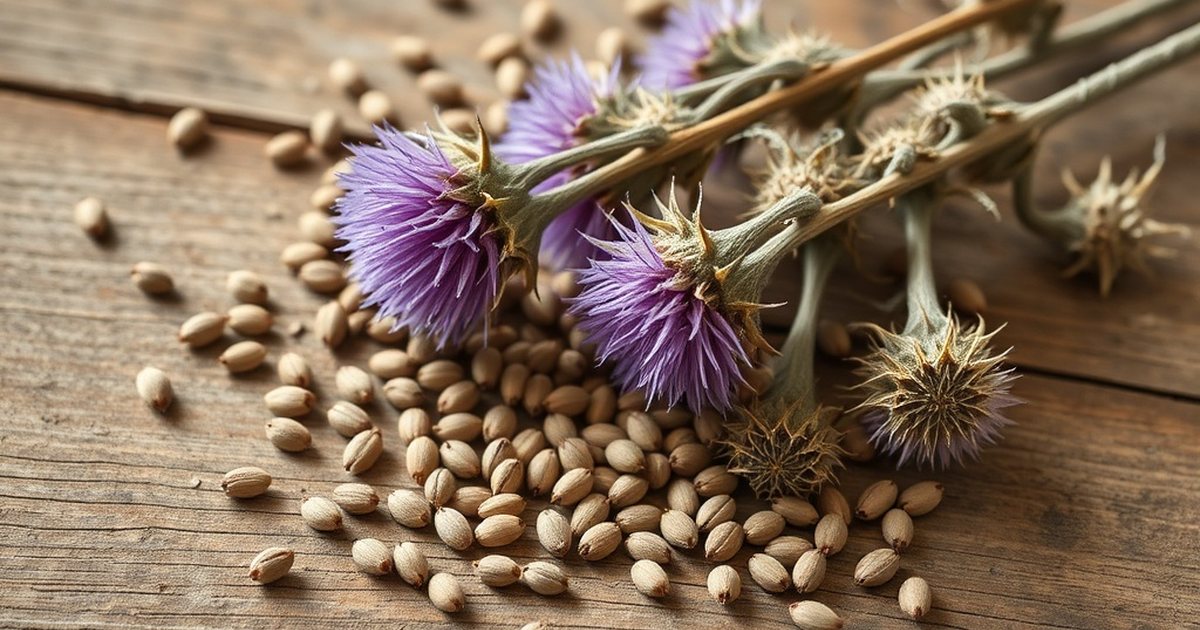
Silymarin is the name for the extract taken from milk thistle (Silybum marianum) seeds. It isn’t a single molecule, it’s a mixture of related plant compounds called flavonolignans, along with smaller amounts of other flavonoids and fatty acids. When you see “milk thistle extract standardized to 80% silymarin” on a label, that percentage refers to this whole complex, not one isolated ingredient.
Within that complex, several distinct flavonolignans have been identified, including silybin (also called silibinin), isosilybin, silychristin, and silydianin. They occur together naturally in the seed, and most milk thistle supplements on the market are silymarin extracts, meaning they contain this full mixture rather than a single purified compound.
What Silybin Is, and Why It Gets Singled Out
Silybin (silibinin) is the single most abundant and most studied flavonolignan within silymarin, typically making up somewhere around half of the total complex by weight, though the exact ratio varies by extraction method and plant source. Because it’s the major component, silybin is often used as a proxy for silymarin’s activity in laboratory research, and it’s also the compound most frequently isolated for study of specific mechanisms on liver cells.

Some specialty products go a step further and use purified or chemically modified silybin, such as silybin bound to phosphatidylcholine (a phospholipid complex), which is intended to improve how well the compound is absorbed compared to standard silymarin extract. These are formulated and marketed differently from standard whole-extract silymarin products, and they are not automatically interchangeable with them in terms of dose or expected effect.
The Proposed Mechanisms Behind Both
The mechanisms proposed for silymarin and silybin overlap heavily, which is part of why the terms get used loosely. Both are described as having antioxidant activity, meaning they may help neutralize reactive molecules (free radicals) that can damage liver cells during oxidative stress.
Both are also proposed to have membrane-stabilizing effects on hepatocytes (liver cells), theoretically helping maintain the integrity of the cell membrane and reducing the entry of certain toxins into the cell. A mild anti-inflammatory effect on liver tissue has also been proposed as part of the overall mechanism.
It’s worth being direct here: these are proposed mechanisms studied mostly in laboratory and animal models, and mechanism-level plausibility is not the same as proven clinical benefit in humans. Silymarin supplements are not FDA-evaluated for safety or effectiveness and are not intended to diagnose, treat, cure, or prevent any disease.

Absorption: A Real Practical Difference
One of the most commonly cited practical distinctions between standard silymarin and modified silybin products relates to bioavailability, how much of the compound actually gets absorbed and reaches active tissue after oral intake. Standard silymarin extract is generally considered to have relatively low and variable oral absorption, which is part of the rationale behind phospholipid-complexed silybin formulations aiming to improve uptake.
This is a formulation and pharmacokinetic distinction, not a statement about which form is more effective for any specific health outcome. Anyone comparing products should recognize that a milligram of “silymarin” on one label and a milligram of “silybin phosphatidylcholine complex” on another are not describing equivalent doses of the same delivered compound.
How to Read a Label With This Distinction in Mind
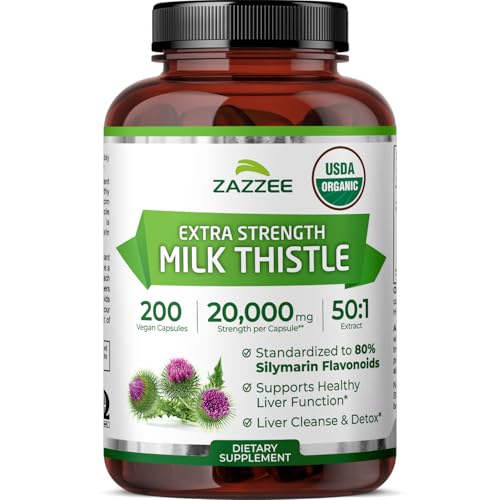
When comparing milk thistle products, look for three things: whether the label says “silymarin extract” or a specific isolated/complexed form like “silybin phosphatidylcholine,” the standardization percentage (commonly 70-80% silymarin content in seed extracts), and whether the product discloses the extraction ratio or seed-to-extract concentration used to reach that standardization.
None of this label information tells you whether a product is effective for a particular person or condition. It simply helps you understand what you’re actually comparing when you see different milk thistle products side by side, and it helps you have a more informed conversation with a physician or pharmacist if you’re considering one.
🛒 Where to Buy Milk Thistle (Silymarin)

- CleanseParasites Heavy Metal + Microplastics Binder Editor’s Pick
Contains milk thistle alongside spirulina, zeolite, and other binder herbs. - Thorne Siliphos (Silybin Phosphatidylcholine Complex)
capsules, 1 capsule (~120mg silybin-phosphatidylcholine complex) — Phospholipid complex form (silybin bound to phosphatidylcholine) for liver support - Jarrow Formulas Milk Thistle 150mg (Silymarin Standardized Extract)
capsules, 1 capsule (150mg, 80% silymarin) — Widely used, standard 80% silymarin extract at an accessible price - NOW Foods Silymarin Milk Thistle Extract 150mg
capsules, 1 capsule (150mg, 80% silymarin) — Made under NOW’s GMP Quality Assured program, budget-friendly staple brand with consistent standardization - Nature’s Way Milk Thistle Thisilyn Standardized Extract
capsules, 1 capsule (175mg, 80% silymarin) — Long-running standardized formula, one of the most established milk thistle brands in the US market
As an Amazon Associate we earn from qualifying purchases. Quality varies widely — always choose a product with a published third-party test (COA) before buying.
A Note on the Evidence
This article describes proposed mechanisms and label/formulation distinctions, not proven clinical outcomes, and it does not summarize clinical trial results. Milk thistle supplements are not FDA-evaluated for safety or effectiveness and are not intended to diagnose, treat, cure, or prevent any disease; talk to a physician before use if you take CYP450-metabolized medications, have a ragweed/Asteraceae allergy, or have diagnosed liver disease.
Frequently Asked Questions
Is silybin stronger than silymarin?
Not exactly, silybin is a component of silymarin, not a separate, competing substance. Some silybin-specific formulations (like phospholipid complexes) are designed for better absorption, but that’s a formulation difference, not evidence that silybin alone is more effective than the full silymarin complex for any specific outcome.
Can I use silymarin and silybin supplements interchangeably?
Because dosing conventions and absorption differ between standard silymarin extracts and isolated/complexed silybin products, they shouldn’t be assumed to be dose-equivalent. If switching between product types, it’s reasonable to discuss appropriate dosing with a physician or pharmacist.
Does milk thistle interact with medications?
Yes, this is a genuine concern. Silymarin can interact with drugs metabolized by CYP450 liver enzymes, which includes some statins, diabetes medications, and hormonal therapies. Anyone taking these medications should talk to a physician before starting milk thistle.
Who should be cautious with milk thistle supplements?
People with diagnosed liver disease, those with ragweed or Asteraceae plant family allergies (milk thistle is in this family), and anyone on CYP450-metabolized medications should consult a physician before use.
Why do some products say 'standardized to 80% silymarin'?
This refers to the concentration of the total flavonolignan complex in the extract relative to the raw plant material used, it’s a manufacturing/standardization specification, not a claim about clinical effect size.
Is there strong human clinical evidence for either form?
Human clinical evidence exists, but it is mixed and unevenly split between the two forms. Nearly all outcome trials test silymarin, the whole complex: the largest dedicated NASH trial (99 patients, 700 mg three times daily for 48 weeks) missed its primary endpoint, with 32.7% of the silymarin group reaching it versus 26.0% on placebo, although more silymarin patients showed reduced fibrosis (22.4% versus 6.0%) [1]. A 2024 systematic review pooling 26 randomized trials and 2,375 patients reported lower ALT and AST and improved lipid and insulin measures, while stating the effects still need confirmation [2]. Silybin-specific human work is largely bioavailability and pharmacokinetic testing rather than clinical outcomes [3], so no head-to-head trial shows one form outperforming the other on a health endpoint. Discuss specific clinical claims with a healthcare provider.
References
- Wah Kheong C et al. A Randomized Trial of Silymarin for the Treatment of Nonalcoholic Steatohepatitis. Clinical gastroenterology and hepatology (2017). PMID 28419855
- Li S et al. Administration of silymarin in NAFLD/NASH: A systematic review and meta-analysis. Annals of hepatology (2024). PMID 38579127
- Li WY et al. Relative Bioavailability of Silybin A and Silybin B From 2 Multiconstituent Dietary Supplement Formulations Containing Milk Thistle Extract: A Single-dose Study. Clinical therapeutics (2018). PMID 29273470
These statements have not been evaluated by the Food and Drug Administration. This information is not intended to diagnose, treat, cure, or prevent any disease. Content is for informational purposes only and is not medical advice; consult a qualified healthcare provider before starting any supplement. As an Amazon Associate we earn from qualifying purchases.