Milk thistle (Silybum marianum L. Gaertn), a member of the Asteraceae family, has been utilized for centuries in traditional herbal practices, primarily for liver-related ailments. The mature seeds (fruits) are the primary medicinal part, characterized by a complex phytochemical matrix that extends well beyond the well-known silymarin complex.
While silymarin—a mixture of flavonolignans including silybin, isosilybin, silychristin, and silydianin—dominates research and standardization efforts, the seeds contain a diverse array of additional bioactive molecules. Understanding this broader phytochemical profile provides context for the herb’s traditional uses and informs current quality control and research directions.[1][2]
Key Takeaways
- Milk thistle seeds contain a complex matrix where the silymarin flavonolignan complex (silybin, isosilybin, silychristin, silydianin) is the primary standardized component, but not the sole constituent.
- Significant co-occurring phytochemicals include precursor flavonoids (taxifolin), phenolic acids, a fixed oil rich in linoleic acid and phytosterols, proteins, and structural carbohydrates.
- Minor flavonolignans and oxidation products (e.g., dehydrosilybin) contribute to the chemical fingerprint of the extract and may influence its overall pharmacological profile.
- Chemotypic variation, growing conditions, harvest timing, and extraction methodology profoundly alter the relative abundance of active compounds beyond silymarin.
- Standardized extracts focus on flavonolignan content; whole seed or defatted meal products deliver a distinct nutritional and phytochemical profile including fiber, protein, and lipids.
Botanical Source and Seed Morphology
Silybum marianum is an annual or biennial herb native to the Mediterranean region, now naturalized worldwide. The medicinal material consists of the dried, ripe fruit (achene), commonly referred to as seeds. These fruits are obovate, slightly flattened, and measure approximately 6 to 8 mm in length, featuring a shiny, mottled brown-to-black epidermis and a prominent yellowish basal ring. The pericarp is composed of several layers, including an outer epidermis, a sclerenchymatous layer providing mechanical protection, and an inner parenchyma.
The chemical composition of the fruit varies significantly based on genotype, environmental conditions (soil composition, climate, water availability), harvest time, and post-harvest processing. The fruit wall (pericarp) and the kernel (seed proper) differ in their metabolite distribution; for instance, lipids and proteins are concentrated in the kernel, while certain polyphenols are distributed across both structures. Standardization of herbal raw material typically requires a minimum flavonolignan content calculated as silybin, often set between 1.5% and 3% for the dried fruit, though pharmacopeial standards vary by region.[3]

The Silymarin Complex: Core Flavonolignans
Silymarin is not a single compound but a standardized extract mixture. The major constituents are flavonolignans, formed biosynthetically via the oxidative coupling of a flavonoid (taxifolin) and a phenylpropanoid (coniferyl alcohol) unit. The four primary diastereomeric pairs typically quantified in silymarin extracts are silybin A and B, isosilybin A and B, silychristin, and silydianin. Silybin (silibinin) usually constitutes the largest proportion (50–70% of total flavonolignans), followed by isosilybin, silychristin, and silydianin.[4][5]
Minor flavonolignans identified in the silymarin fraction include isosilychristin, dehydrosilybin, dehydrosilydianin, and silyhermin. The ratio of these isomers influences the physicochemical properties of the extract, such as solubility and bioavailability. Analytical separation of these diastereomers typically requires high-performance liquid chromatography (HPLC) with chiral or reversed-phase columns, as they share similar UV spectra but differ in stereochemistry at the two chiral centers formed during the coupling reaction.[4]
Additional Flavonolignans and Structural Variants
Beyond the major silymarin components, phytochemical investigations have identified numerous minor and trace flavonolignans. These include 2,3-dehydrosilybin, 2,3-dehydrosilydianin, silybinome (a methylated derivative), and various oxidized or glycosylated derivatives. Some of these artifacts form during extraction or storage due to oxidation or enzymatic activity, while others are genuine natural products.
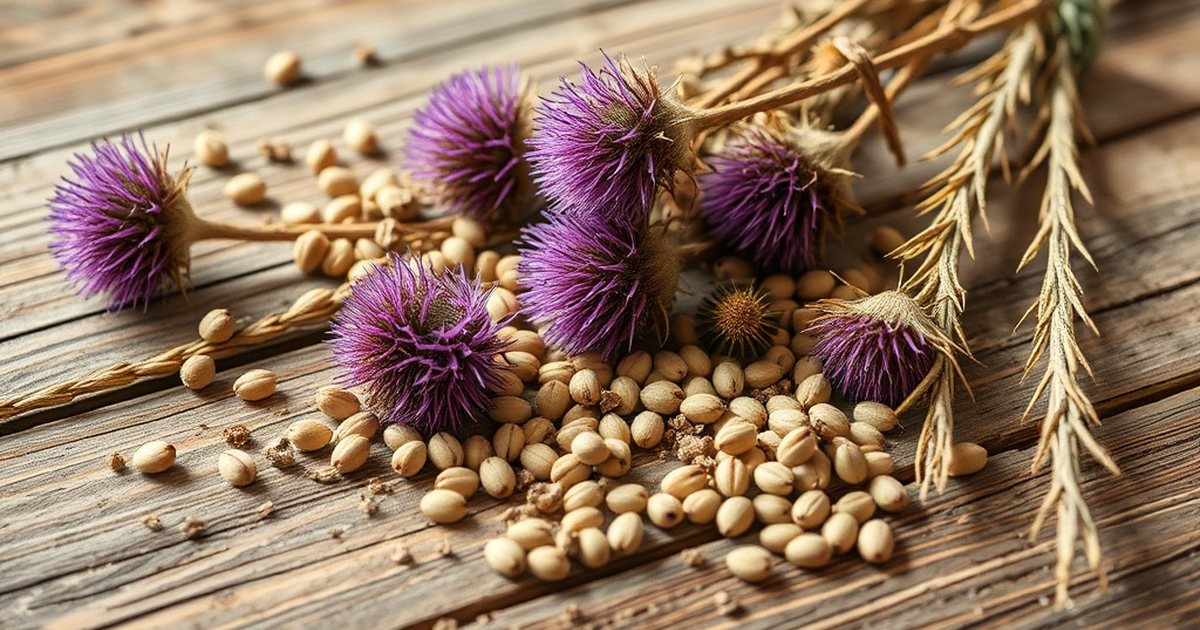
Structural elucidation of these minor components relies heavily on advanced spectroscopic techniques, including nuclear magnetic resonance (NMR) spectroscopy and high-resolution mass spectrometry (HRMS). The presence of these variants contributes to the ‘entourage effect’ hypothesis, suggesting that the total biological activity of the crude extract may differ from that of isolated silybin. However, the relative abundance of these minor flavonolignans is typically low, often collectively representing less than 5% of the total flavonolignan content in standardized extracts.
Flavonoids and Phenolic Acids
The flavonoid fraction of milk thistle seeds is anchored by taxifolin (dihydroquercetin), the direct flavonoid precursor in the biosynthetic pathway of flavonolignans. Taxifolin is present in the seeds in both free and glycosylated forms (e.g., taxifolin-3-O-glucoside). Other flavonoids identified include quercetin, kaempferol, naringin, apigenin, and their respective glycosides. These compounds contribute to the overall antioxidant capacity of the seed extract.[6]

Phenolic acids represent another class of polyphenols in the fruit. Chlorogenic acid, caffeic acid, p-coumaric acid, ferulic acid, and sinapic acid have been detected, often as esters or bound to cell wall polysaccharides. The profile of phenolic acids can serve as a chemotaxonomic marker for distinguishing Silybum marianum from other Asteraceae species or for detecting adulteration. The total phenolic content, measured by Folin-Ciocalteu assay, correlates loosely with flavonolignan content but captures this broader phenolic diversity.[3]
Lipids, Sterols, and Tocopherols
The milk thistle seed kernel is rich in fixed oil, typically comprising 20–30% of the seed weight. The fatty acid profile is dominated by linoleic acid (C18:2, omega-6), usually accounting for 50–60% of total fatty acids, followed by oleic acid (C18:1, omega-9) at 20–30%, and palmitic acid (C16:0) at 10–15%. Minor fatty acids include stearic, arachidic, and behenic acids. This oil is a commercial byproduct of silymarin extraction and is used in cosmetics and as a dietary oil.[7][8]
The unsaponifiable fraction of the oil contains phytosterols, primarily beta-sitosterol, campesterol, and stigmasterol, along with Delta-5-avenasterol and Delta-7-stigmastenol. Tocopherols (vitamin E isomers) are also present, with alpha-tocopherol being the predominant form, followed by gamma- and delta-tocopherols. These lipophilic constituents contribute to the oxidative stability of the seed oil and may have complementary biological activities, though they are largely removed during the production of hydrophilic silymarin extracts.[8][9]
Proteins, Amino Acids, and Carbohydrates
Defatted milk thistle seed meal contains a significant protein fraction, typically 25–35% of the dry weight. The protein profile includes albumins, globulins, glutelins, and prolamins. The amino acid composition reveals a relatively high content of glutamic acid, aspartic acid, and arginine, but lower levels of essential amino acids such as lysine and methionine compared to reference proteins like casein. Protein hydrolysates from the meal have been investigated for functional food applications, including antioxidant peptides.

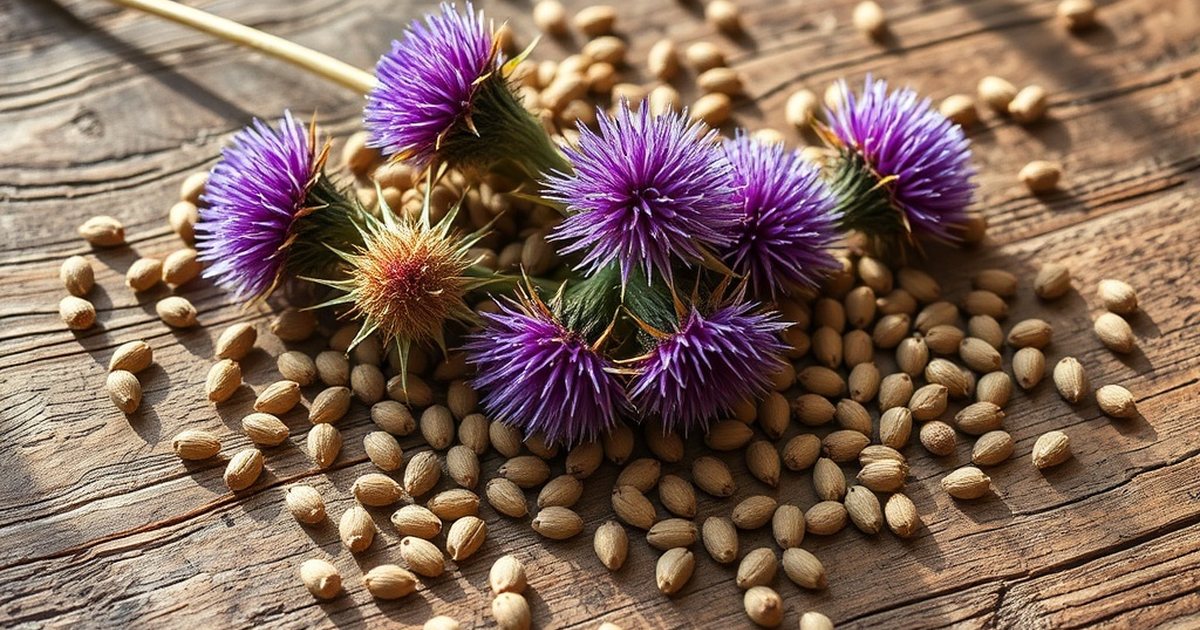
Carbohydrates constitute the bulk of the seed mass, primarily as structural polysaccharides (cellulose, hemicellulose, pectin) in the fruit hull and storage polysaccharides in the kernel. Soluble sugars include sucrose, raffinose, and stachyose. The hull is particularly rich in insoluble fiber. Polysaccharide fractions isolated from the seeds have been studied for immunomodulatory properties in vitro, though they are distinct from the lipophilic flavonolignan fraction typically associated with ‘milk thistle extract’.
Chemotypic Variation and Quality Implications
Significant chemotypic variation exists within Silybum marianum populations. Research has classified chemotypes based on the relative ratios of the major flavonolignans (e.g., silybin-rich vs. silychristin-rich lines). Environmental stressors such as drought, salinity, and nutrient deficiency can modulate the secondary metabolite profile, often increasing total flavonolignan accumulation as a defense response. However, extreme stress may reduce overall yield.[10][11][12]
Post-harvest handling critically impacts the final phytochemical profile. Drying temperatures above 50°C can degrade thermolabile compounds and promote oxidation of flavonolignans to their dehydrated derivatives. Extraction solvent polarity dictates the composition of the final product: hydroalcoholic mixtures (e.g., 70% ethanol) optimize flavonolignan yield, while non-polar solvents (hexane, supercritical CO2) target the lipid fraction. Residual solvent limits and marker compound quantification are essential for batch-to-batch consistency in commercial raw materials.[2]
🛒 Where to Buy Milk Thistle (Silymarin)
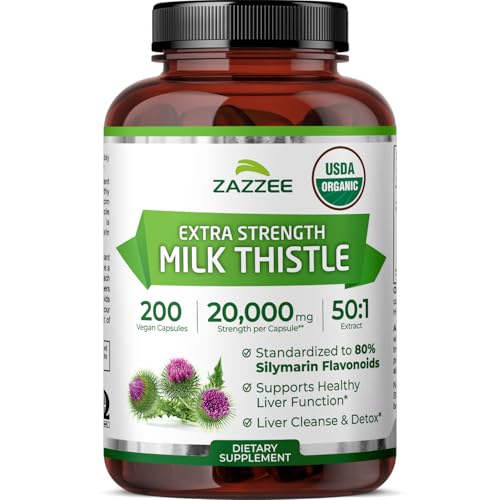
- CleanseParasites Heavy Metal + Microplastics Binder Editor’s Pick
Contains milk thistle alongside spirulina, zeolite, and other binder herbs. - Thorne Siliphos (Silybin Phosphatidylcholine Complex)
capsules, 1 capsule (~120mg silybin-phosphatidylcholine complex) — Phospholipid complex form (silybin bound to phosphatidylcholine) for liver support - Jarrow Formulas Milk Thistle 150mg (Silymarin Standardized Extract)
capsules, 1 capsule (150mg, 80% silymarin) — Widely used, standard 80% silymarin extract at an accessible price - NOW Foods Silymarin Milk Thistle Extract 150mg
capsules, 1 capsule (150mg, 80% silymarin) — Made under NOW’s GMP Quality Assured program, budget-friendly staple brand with consistent standardization - Nature’s Way Milk Thistle Thisilyn Standardized Extract
capsules, 1 capsule (175mg, 80% silymarin) — Long-running standardized formula, one of the most established milk thistle brands in the US market
As an Amazon Associate we earn from qualifying purchases. Quality varies widely — always choose a product with a published third-party test (COA) before buying.
A Note on the Evidence
Milk thistle supplements are not FDA-evaluated for safety or effectiveness and are not intended to diagnose, treat, cure, or prevent any disease; it can interact with CYP450-metabolized medications (including some statins, diabetes drugs, and hormonal therapies) and those with ragweed/Asteraceae allergies or diagnosed liver disease should consult a physician before use. This information is for educational purposes only and does not constitute medical advice.[13]
Frequently Asked Questions
What are the main active compounds in milk thistle besides silymarin?
Besides the silymarin flavonolignans, milk thistle seeds contain the flavonoid taxifolin (a biosynthetic precursor), various phenolic acids (like chlorogenic and caffeic acid), a fixed oil rich in linoleic and oleic acids, phytosterols (beta-sitosterol), tocopherols (vitamin E), proteins, and structural polysaccharides.
Is taxifolin the same as silymarin?
No, taxifolin (dihydroquercetin) is a flavonoid aglycone that serves as the biogenetic precursor for the flavonolignans in silymarin. It is present in the seeds in smaller amounts, both free and glycosylated, and possesses its own antioxidant properties distinct from the flavonolignan complex.
Does milk thistle seed oil contain silymarin?
Milk thistle seed oil, obtained by cold pressing or solvent extraction of the lipid fraction, contains negligible amounts of silymarin flavonolignans, which are poorly soluble in non-polar solvents. The oil is instead characterized by high linoleic acid content, phytosterols, and tocopherols.

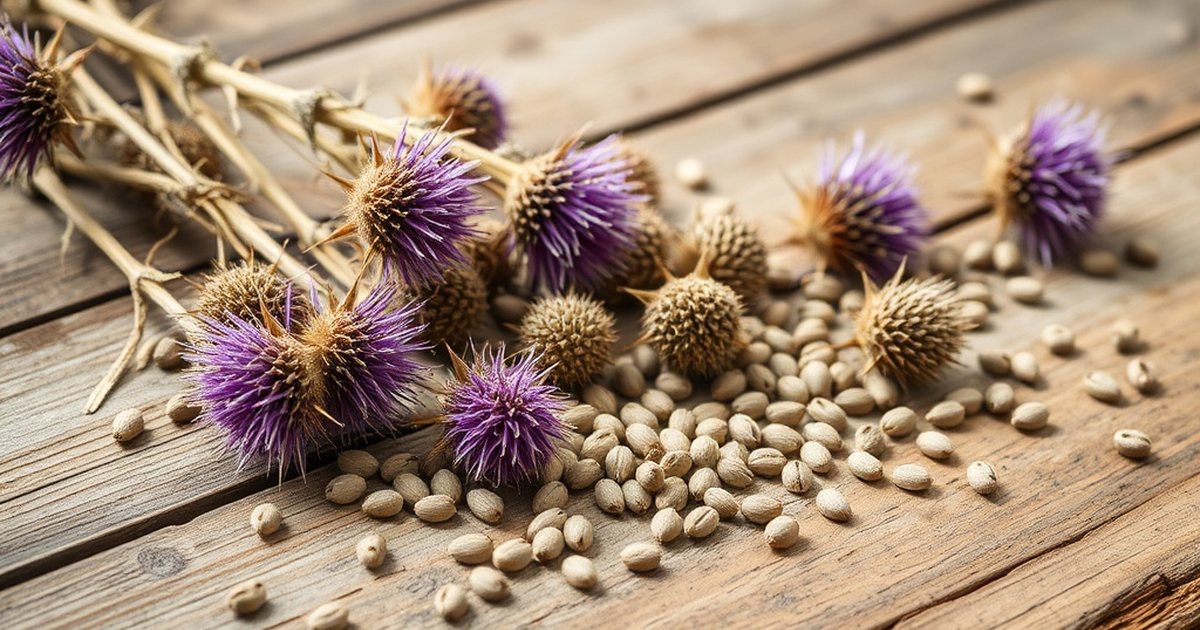
How does growing environment affect milk thistle chemistry?
Environmental factors such as water stress, salinity, soil nutrients, and temperature can alter the secondary metabolite profile. Stress conditions often upregulate flavonolignan biosynthesis as a protective mechanism, potentially increasing silymarin concentration, but may reduce total seed yield.
Are the minor flavonolignans in milk thistle biologically relevant?
Minor flavonolignans (e.g., isosilybin, silychristin, silydianin, dehydrosilybin) contribute to the total flavonolignan load measured in quality control. While silybin is the most studied, the minor components exhibit overlapping and sometimes distinct biological activities in preclinical models, supporting the use of full-spectrum extracts over isolated silybin.
What is the difference between milk thistle seed powder and standardized extract?
Seed powder (whole herb) contains the full matrix: ~1.5–3% silymarin along with all lipids, proteins, fiber, and sugars. Standardized extracts (typically 70–80% silymarin) concentrate the flavonolignans and remove most lipids, fiber, and proteins, resulting in different dosing, applications, and pharmacokinetic profiles.
References
- Křen V et al. Silybin and its congeners: from traditional medicine to molecular effects. Natural product reports (2022). PMID 35510639
- Chambers CS et al. The silymarin composition… and why does it matter???. Food research international (Ottawa, Ont.) (2017). PMID 28964357
- Giuliani C et al. Localization of phenolic compounds in the fruits of Silybum marianum characterized by different silymarin chemotype and altered colour. Fitoterapia (2018). PMID 30213759
- Lee JI et al. Separation and characterization of silybin, isosilybin, silydianin and silychristin in milk thistle extract by liquid chromatography-electrospray tandem mass spectrometry. Journal of chromatography. A (2006). PMID 16631762
- Chen W et al. Determination of Flavonolignan Compositional Ratios in Silybum marianum (Milk Thistle) Extracts Using High-Performance Liquid Chromatography. Molecules (Basel, Switzerland) (2024). PMID 38998902
- Vrba J et al. Identification of Human Sulfotransferases Active towards Silymarin Flavonolignans and Taxifolin. Metabolites (2020). PMID 32806559
- Maaloul S et al. Characterization of Silybum marianum and Silybum eburneum seed oils: Phytochemical profiles and antioxidant properties supporting important nutritional interests. PloS one (2024). PMID 38875282
- Zarrouk A et al. Profile of Fatty Acids, Tocopherols, Phytosterols and Polyphenols in Mediterranean Oils (Argan Oils, Olive Oils, Milk Thistle Seed Oils and Nigella Seed Oil) and Evaluation of their Antioxidant and Cytoprotective Activities. Current pharmaceutical design (2019). PMID 31298157
- Liu L et al. Milk Thistle Oil Extracted by Enzyme-Mediated Assisted Solvent Extraction Compared with n-Hexane and Cold-Pressed Extraction. Molecules (Basel, Switzerland) (2023). PMID 36985564
- Martinelli T et al. The study of flavonolignan association patterns in fruits of diverging Silybum marianum (L.) Gaertn. chemotypes provides new insights into the silymarin biosynthetic pathway. Phytochemistry (2017). PMID 28863306
- Martinelli T et al. In Silybum marianum Italian wild populations the variability of silymarin profiles results from the combination of only two stable chemotypes. Fitoterapia (2021). PMID 33271258
- Pasquariello M et al. Exploring the chemotypic variability of Silybum marianum and Silybum eburneum by biochemical and genetic characterization. Frontiers in plant science (2025). PMID 40567417
- Soleimani V et al. Safety and toxicity of silymarin, the major constituent of milk thistle extract: An updated review. Phytotherapy research : PTR (2019). PMID 31069872
These statements have not been evaluated by the Food and Drug Administration. This information is not intended to diagnose, treat, cure, or prevent any disease. Content is for informational purposes only and is not medical advice; consult a qualified healthcare provider before starting any supplement. As an Amazon Associate we earn from qualifying purchases.