Milk thistle (Silybum marianum) seed extract, standardized to the flavonolignan complex silymarin (primarily silybin/silibinin), is widely used as a complementary therapy for liver disease. Its proposed mechanisms include antioxidant activity, stabilization of hepatocyte membranes, and mild anti‑inflammatory effects on liver cells [1][2][3].
Despite decades of research, high‑quality evidence that silymarin changes hard outcomes such as mortality, liver transplantation rates, or complication frequency in cirrhosis remains limited and inconsistent. This article summarizes the key randomized trials, systematic reviews, and recent observational data to clarify what is known and where uncertainties persist.
Key Takeaways
- Silymarin demonstrates antioxidant and membrane‑stabilizing properties in vitro, but clinical trials in cirrhosis have not consistently shown mortality or complication reduction.
- Early RCTs (1989, 1998) reported biochemical improvements without survival benefit.
- Cochrane reviews (2005, 2007) concluded evidence is insufficient to recommend silymarin for cirrhosis outcomes.
- A 2024 observational study suggests possible synergy with antiviral therapy in HBV cirrhosis, but randomized confirmation is needed.
- Silymarin can interact with CYP450‑metabolized drugs; patients with cirrhosis or on multiple medications should seek medical advice before use.
Mechanisms of Silymarin in Liver Disease
Silymarin is a mixture of flavonolignans that exerts antioxidant effects by scavenging free radicals and enhancing glutathione levels in hepatocytes [2]. It also stabilizes cellular membranes, reducing toxin penetration, and modulates inflammatory signaling pathways such as NF‑κB, which may attenuate liver injury [1]. A 2024 comprehensive review highlighted these actions and noted that silymarin’s antioxidant capacity is considered central to its potential benefit in chronic liver diseases [3].
While these mechanisms are biologically plausible, translating them into clinically meaningful improvements in cirrhosis has proven difficult. The complexity of cirrhosis pathophysiology — involving fibrosis, portal hypertension, and systemic inflammation — may limit the impact of a single antioxidant agent.
Early Randomized Controlled Trials in Cirrhosis
The first notable RCT, published in 1989, randomized 170 patients with cirrhosis to silymarin (420 mg/day) or placebo for up to 41 months [4]. The study reported modest improvements in serum transaminases and bilirubin in the treatment group, but no statistically significant difference in overall survival.

A larger, multicenter, double‑blind trial in 1998 enrolled 200 alcoholic cirrhosis patients receiving silymarin (450 mg/day) or placebo for 2 years [5]. Again, biochemical markers showed slight favorable trends, yet mortality and complication rates (ascites, variceal bleeding) did not differ significantly between groups. These early trials established a pattern: biochemical improvement without clear survival benefit.
Systematic Reviews and Cochrane Analyses
The 2005 Cochrane review evaluated randomized trials of milk thistle for alcoholic and/or hepatitis B or C liver diseases, including cirrhosis [6]. It concluded that the evidence was insufficient to support or refute the use of silymarin for mortality or histological outcomes, citing methodological limitations and heterogeneity.
An updated 2007 Cochrane review reached a similar conclusion, emphasizing that most trials were small, of short duration, and used varying silymarin preparations [7]. A 2005 narrative review in Digestive Diseases and Sciences also noted the lack of robust data for cirrhosis specifically [8]. Collectively, these reviews underscore that high‑quality evidence for hard clinical endpoints is lacking.
Recent Observational Data: Silymarin with Antiviral Therapy in HBV Cirrhosis
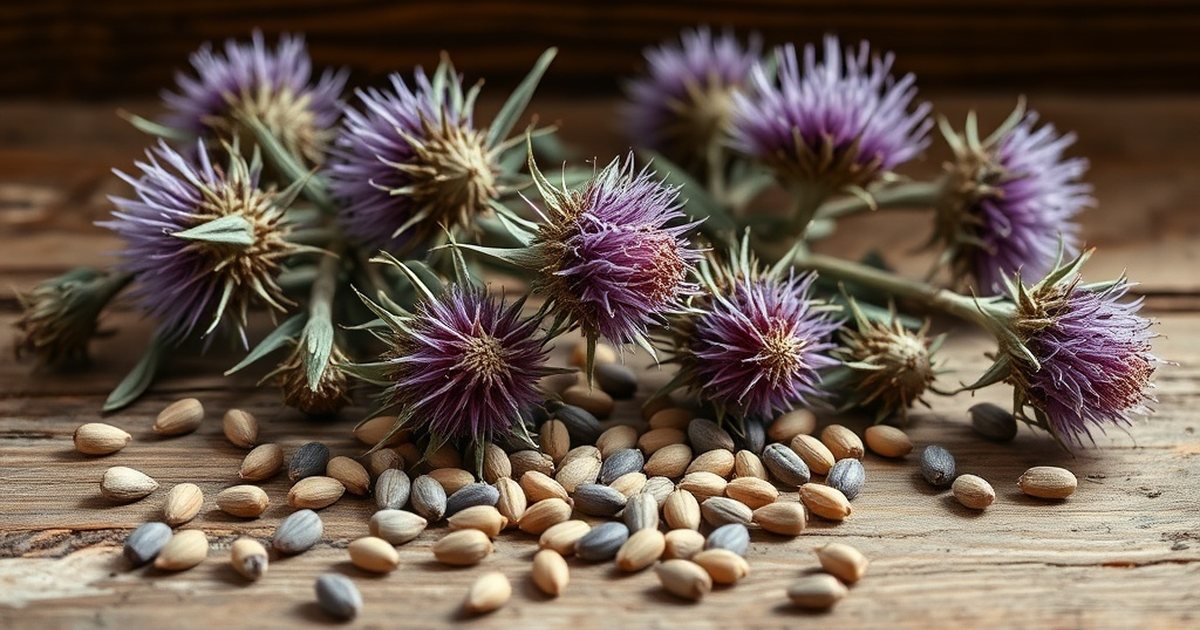
A 2024 propensity‑score matched, multi‑institutional study examined patients with hepatitis B virus‑related cirrhosis who received antiviral therapy plus silymarin versus antiviral therapy alone [9]. The silymarin group showed significantly lower rates of hepatic decompensation and improved liver stiffness measurements over a median follow‑up of 36 months.
While these findings suggest a potential synergistic effect, the study was observational and not randomized. Residual confounding and the lack of a placebo control limit causal inference. Nonetheless, the data generate hypotheses for future controlled trials combining silymarin with standard antiviral regimens.

Safety, Drug Interactions, and Special Populations
Silymarin is generally well tolerated, with gastrointestinal upset being the most common adverse event. However, it inhibits and induces several cytochrome P450 enzymes (e.g., CYP3A4, CYP2C9), which can alter plasma levels of statins, diabetes medications, hormonal therapies, and other CYP450‑metabolized drugs.
Individuals with known allergy to plants in the Asteraceae/Compositae family (ragweed, chrysanthemum, marigold) may experience hypersensitivity reactions. Patients with diagnosed liver disease, including cirrhosis, should consult a physician before starting silymarin to assess potential interactions and appropriateness for their specific clinical context.
Evidence Gaps and Future Research Directions
Current gaps include the absence of large, multicenter, placebo‑controlled trials with standardized silymarin dosing (e.g., 420–600 mg/day of a validated extract) and clinically relevant endpoints such as transplant‑free survival, variceal bleeding, and hepatic encephalopathy. The 2024 Cureus review emphasized the need for rigorous trial designs to clarify silymarin’s role in chronic liver disease [3].
Additionally, cirrhosis patients often have metabolic dysfunction‑associated steatotic liver disease and heightened cardiovascular risk, which may influence both liver outcomes and response to antioxidant therapy [10]. Future studies should stratify by etiology, disease stage, and comorbid metabolic profiles to identify subgroups that might benefit most.

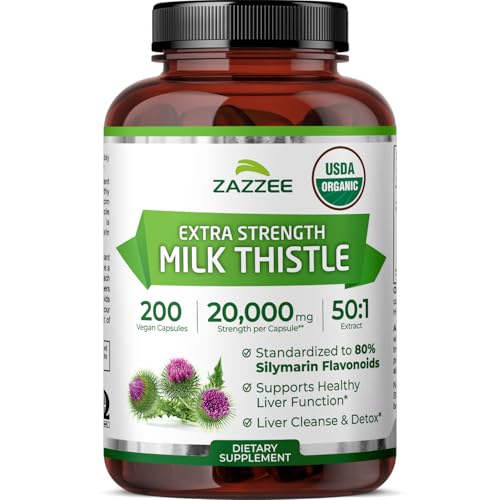
🛒 Where to Buy Milk Thistle (Silymarin)
- CleanseParasites Heavy Metal + Microplastics Binder Editor’s Pick
Contains milk thistle alongside spirulina, zeolite, and other binder herbs. - Thorne Siliphos (Silybin Phosphatidylcholine Complex)
capsules, 1 capsule (~120mg silybin-phosphatidylcholine complex) — Phospholipid complex form (silybin bound to phosphatidylcholine) for liver support - Jarrow Formulas Milk Thistle 150mg (Silymarin Standardized Extract)
capsules, 1 capsule (150mg, 80% silymarin) — Widely used, standard 80% silymarin extract at an accessible price - NOW Foods Silymarin Milk Thistle Extract 150mg
capsules, 1 capsule (150mg, 80% silymarin) — Made under NOW’s GMP Quality Assured program, budget-friendly staple brand with consistent standardization - Nature’s Way Milk Thistle Thisilyn Standardized Extract
capsules, 1 capsule (175mg, 80% silymarin) — Long-running standardized formula, one of the most established milk thistle brands in the US market
As an Amazon Associate we earn from qualifying purchases. Quality varies widely — always choose a product with a published third-party test (COA) before buying.
A Note on the Evidence
Milk thistle supplements are not FDA‑evaluated for safety or effectiveness and are not intended to diagnose, treat, cure, or prevent any disease; they can interact with CYP450‑metabolized medications, and individuals with ragweed/Asteraceae allergies or diagnosed liver disease should consult a physician before use.
Frequently Asked Questions
Does milk thistle improve survival in cirrhosis?
Most randomized trials and systematic reviews have not shown a consistent survival benefit from silymarin in cirrhosis, although a 1989 trial in 170 patients reported higher 4-year survival with silymarin (58% versus 39%, P = 0.036) [4][5][6][7].
Can silymarin reduce liver enzyme levels in cirrhosis?
Several trials reported modest reductions in transaminases and bilirubin with silymarin, but these biochemical changes did not translate into consistent clinical improvement [4][5].
Is there evidence for silymarin combined with antiviral therapy in hepatitis B cirrhosis?
A 2024 propensity‑matched study found lower hepatic decompensation rates when silymarin was added to antiviral therapy, but the study was observational and not a randomized trial [9].
What are the main safety concerns with milk thistle?
Silymarin is generally well tolerated but can inhibit or induce CYP450 enzymes, potentially affecting drugs such as statins, diabetes agents, and hormonal therapies. Allergic reactions may occur in people sensitive to Asteraceae plants.
Should patients with cirrhosis take milk thistle without consulting a doctor?
No. Because of possible drug interactions, allergy risk, and the need to evaluate individual liver disease severity, patients should discuss silymarin use with their healthcare provider before starting.
What future research is needed to clarify milk thistle’s role in cirrhosis?
Large, placebo‑controlled trials with standardized extracts, long‑term clinical endpoints, and stratification by cirrhosis etiology and metabolic comorbidities are required to determine if silymarin provides meaningful benefit [3][10].
References
- Saller R et al. The use of silymarin in the treatment of liver diseases. Drugs (2001). PMID 11735632
- Wellington K et al. Silymarin: a review of its clinical properties in the management of hepatic disorders. BioDrugs : clinical immunotherapeutics, biopharmaceuticals and gene therapy (2001). PMID 11520257
- Dhande D et al. Silymarin as an Antioxidant Therapy in Chronic Liver Diseases: A Comprehensive Review. Cureus (2024). PMID 39286715
- Ferenci P et al. Randomized controlled trial of silymarin treatment in patients with cirrhosis of the liver. Journal of hepatology (1989). PMID 2671116
- Parés A et al. Effects of silymarin in alcoholic patients with cirrhosis of the liver: results of a controlled, double-blind, randomized and multicenter trial. Journal of hepatology (1998). PMID 9566830
- Rambaldi A et al. Milk thistle for alcoholic and/or hepatitis B or C virus liver diseases. The Cochrane database of systematic reviews (2005). PMID 15846671
- Rambaldi A et al. Milk thistle for alcoholic and/or hepatitis B or C virus liver diseases. The Cochrane database of systematic reviews (2007). PMID 17943794
- Dhiman RK et al. Herbal medicines for liver diseases. Digestive diseases and sciences (2005). PMID 16187178
- Huang CH et al. Silymarin Synergizes with Antiviral Therapy in Hepatitis B Virus-Related Liver Cirrhosis: A Propensity Score Matching Multi-Institutional Study. International journal of molecular sciences (2024). PMID 38542062
- Manolis AA et al. Metabolic dysfunction-associated steatotic liver disease and the cardiovascular system. Trends in cardiovascular medicine (2025). PMID 39848507
These statements have not been evaluated by the Food and Drug Administration. This information is not intended to diagnose, treat, cure, or prevent any disease. Content is for informational purposes only and is not medical advice; consult a qualified healthcare provider before starting any supplement. As an Amazon Associate we earn from qualifying purchases.