Alcohol-related liver disease (ARLD) encompasses a spectrum from steatosis to alcoholic hepatitis and cirrhosis, driven by oxidative stress, inflammation, and impaired hepatocyte regeneration. Silymarin, a flavonolignan complex extracted from milk thistle (Silybum marianum) seeds and standardized primarily to silybin (silibinin), has been investigated for decades as a complementary agent in liver disorders due to its antioxidant, membrane-stabilizing, and anti-inflammatory properties on hepatocytes [1].
Despite widespread use, the clinical evidence for silymarin in ARLD remains mixed and is largely derived from older, smaller trials and systematic reviews that highlight methodological limitations. This article summarizes the available evidence from key randomized controlled trials and systematic reviews, including Cochrane analyses, to provide a balanced view of what the data do and do not show [2].
Key Takeaways
- Silymarin has plausible hepatoprotective mechanisms (antioxidant, membrane stabilization, anti-inflammatory) demonstrated in preclinical models [1].
- The only sizable RCT specifically in alcoholic hepatitis (116 patients, 1989) showed biochemical improvements but no statistically significant mortality benefit [3].
- Cochrane reviews (2005, 2007) found no significant effect on all-cause mortality in ARLD when analyzing only low-bias-risk trials; liver enzyme improvements were inconsistent and often limited to lower-quality studies [4][2].
- A 2008 meta-analysis confirmed reductions in AST/ALT but no impact on mortality or histology, with benefits on enzymes linked to studies at higher risk of bias [5].
- Silymarin appears safe and well-tolerated but interacts with CYP450-metabolized drugs; patients with liver disease or on medications should consult a clinician before use [1].
Proposed Mechanisms of Action in Hepatocytes
Silymarin’s hepatoprotective rationale centers on several preclinical mechanisms. It acts as a free-radical scavenger and increases intracellular glutathione, countering the oxidative stress induced by alcohol metabolism [1]. It stabilizes hepatocellular membranes, limiting toxin entry, and modulates inflammatory pathways such as NF-κB and TNF-α signaling [6]. Additionally, silymarin may stimulate ribosomal RNA polymerase I, promoting protein synthesis and hepatocyte regeneration [7]. While these mechanisms are well-documented in vitro and in animal models, their translation into consistent clinical benefit in human ARLD remains uncertain.

Early Randomized Trial in Alcoholic Hepatitis
One of the most cited randomized, double-blind, placebo-controlled trials specifically in alcoholic hepatitis was published in 1989 and enrolled 116 patients [3]. Patients received silymarin (420 mg/day) or placebo for four weeks. The study reported significant improvements in serum bilirubin, AST, ALT, and GGT in the silymarin group compared with placebo, and a trend toward reduced mortality that did not reach statistical significance in the full cohort. However, the trial’s relatively short duration, modest sample size, and the evolution of standard-of-care for alcoholic hepatitis since 1989 limit direct applicability to current practice [3].
Cochrane Systematic Reviews (2005 and 2007)
The Cochrane Collaboration conducted two major systematic reviews on milk thistle for alcoholic and/or hepatitis B or C virus liver diseases [4][2]. The 2005 review included 13 randomized trials (916 patients) across various liver etiologies, with only a subset addressing alcoholic liver disease [4]. The 2007 update expanded the evidence base but reached similar conclusions [2]. Across both reviews, the authors found no statistically significant effect of milk thistle on all-cause mortality in patients with alcoholic liver disease when only high-quality, low-bias-risk trials were considered. Improvements in liver biochemistry (aminotransferases, bilirubin) were reported in some trials but were inconsistent and often driven by studies with methodological limitations such as inadequate blinding or allocation concealment [2].
Importantly, the Cochrane reviews emphasized that the included trials were generally small, heterogeneous in dosing (ranging from 140 to 800 mg/day of silymarin), duration (4 weeks to 24 months), and patient populations (compensated cirrhosis, acute alcoholic hepatitis, mixed etiologies). This heterogeneity precluded robust meta-analytic pooling for mortality or histologic endpoints specifically in ARLD [4][2].
Updated Meta-Analysis (2008)
An updated systematic review with meta-analysis published in 2008 sought to clarify the clinical evidence [5]. This analysis included randomized controlled trials comparing silymarin with placebo or no treatment in patients with chronic liver disease, including alcoholic etiology. The authors reported that silymarin was associated with significant reductions in AST and ALT compared with control, but found no significant effect on mortality or histologic progression. The review noted that the beneficial effects on liver enzymes were more pronounced in studies with lower methodological quality, raising concerns about bias [5]. The authors concluded that while silymarin appears safe, its clinical efficacy in alcoholic liver disease remains unproven by rigorous standards.

Narrative Reviews and Current Context (2010, 2018)
Narrative reviews in 2010 and 2018 synthesized the evolving literature, reiterating that silymarin’s theoretical promise has not been consistently validated in large, high-quality trials for ARLD [6][1]. The 2010 review highlighted the need for standardized extracts, adequate dosing, and longer follow-up in future studies [6]. The 2018 overview noted that most positive findings come from open-label or lower-quality studies, while rigorous trials show minimal or no effect on hard endpoints such as survival or histologic improvement [1]. Both reviews acknowledge silymarin’s favorable safety profile but caution against overstating its role in ARLD management.
Notably, a 2019 randomized, double-blind, placebo-controlled trial investigated silymarin in non-cirrhotic patients with non-alcoholic steatohepatitis (NASH), not ARLD, and found no significant difference in the primary histologic endpoint (NASH resolution) between silymarin and placebo [8]. While this trial addresses a different etiology, it underscores the broader challenge of demonstrating histologic benefit with silymarin in metabolic liver diseases.
Safety, Drug Interactions, and Practical Considerations
Across the cited systematic reviews and trials, silymarin has been consistently reported as well-tolerated, with adverse event rates comparable to placebo [2][5]. The most common side effects are mild gastrointestinal symptoms. However, silymarin inhibits and induces several cytochrome P450 enzymes (including CYP3A4, CYP2C9, CYP2D6) and transporters (P-glycoprotein), creating potential for clinically significant interactions with medications metabolized by these pathways — such as certain statins, diabetes agents, and hormonal therapies [1]. Patients with Asteraceae/ragweed allergies may experience hypersensitivity reactions. Because dietary supplements are not evaluated by the FDA for safety or effectiveness and are not intended to diagnose, treat, cure, or prevent any disease, individuals with diagnosed liver disease or those taking prescription medications should consult a physician before using silymarin.

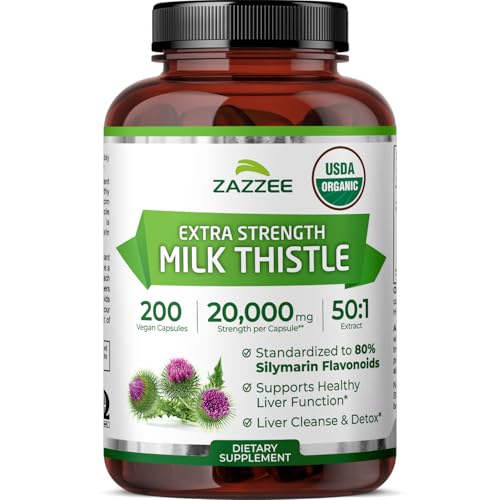
🛒 Where to Buy Milk Thistle (Silymarin)
- CleanseParasites Heavy Metal + Microplastics Binder Editor’s Pick
Contains milk thistle alongside spirulina, zeolite, and other binder herbs. - Thorne Siliphos (Silybin Phosphatidylcholine Complex)Lab-tested / studied
capsules, 1 capsule (~120mg silybin-phosphatidylcholine complex) — Clinically-studied phospholipid complex form used in bioavailability research; NSF Certified for Sport option - Jarrow Formulas Milk Thistle 150mg (Silymarin Standardized Extract)
capsules, 1 capsule (150mg, 80% silymarin) — Widely used, third-party tested, standard 80% silymarin extract at an accessible price - NOW Foods Silymarin Milk Thistle Extract 150mg
capsules, 1 capsule (150mg, 80% silymarin) — GMP-certified, budget-friendly staple brand with consistent standardization - Nature’s Way Milk Thistle Thisilyn Standardized Extract
capsules, 1 capsule (175mg, 80% silymarin) — Long-running standardized formula, one of the most established milk thistle brands in the US market
As an Amazon Associate we earn from qualifying purchases. Quality varies widely — always choose a product with a published third-party test (COA) before buying.
A Note on the Evidence
The clinical evidence for silymarin in alcohol-related liver disease is limited by small, heterogeneous, and often methodologically flawed trials; no large, rigorous RCT has demonstrated a clear benefit on mortality or histologic progression. Silymarin supplements are not FDA-evaluated for safety or effectiveness and can interact with CYP450-metabolized medications. Patients with diagnosed liver disease, Asteraceae allergies, or those taking prescription drugs should consult a physician before use. This information is for educational purposes only and does not constitute medical advice.
Frequently Asked Questions
Does silymarin improve survival in alcoholic hepatitis?
The 1989 double-blind trial in 116 patients showed a non-significant trend toward reduced mortality with silymarin 420 mg/day over 4 weeks [3]. Subsequent Cochrane reviews found no statistically significant effect on all-cause mortality in alcoholic liver disease when restricting to high-quality trials [2].
Can silymarin lower liver enzymes in alcohol-related liver disease?
Several trials and a 2008 meta-analysis reported reductions in AST, ALT, and GGT with silymarin versus control [5]. However, these improvements were more pronounced in studies with methodological limitations and did not consistently translate to histologic or survival benefits [2][5].
What is the typical dose studied in alcoholic liver disease?
Doses across trials have ranged from 140 to 800 mg/day of silymarin, often given as 420 mg/day in divided doses [4][3]. No dose-response relationship has been established in rigorous trials for ARLD.
Is silymarin safe to take with other medications?
Silymarin inhibits and induces multiple CYP450 enzymes (e.g., CYP3A4, CYP2C9) and P-glycoprotein, which can alter blood levels of many drugs including some statins, diabetes medications, and hormonal therapies [1]. Consult a physician before combining with prescription drugs.

Are there any high-quality recent trials of silymarin for alcoholic cirrhosis?
No large, high-quality randomized trials specifically in alcoholic cirrhosis have been published since the Cochrane reviews (2005, 2007) and the 2008 meta-analysis [4][2][5]. The evidence base remains dominated by older, smaller, heterogeneous studies.
Should patients with ragweed allergy avoid milk thistle?
Yes. Milk thistle belongs to the Asteraceae (Compositae) family, which includes ragweed, chrysanthemums, marigolds, and daisies. Individuals with known Asteraceae allergies may experience hypersensitivity reactions to silymarin supplements [1].
References
- Abenavoli L et al. Milk thistle (Silybum marianum): A concise overview on its chemistry, pharmacological, and nutraceutical uses in liver diseases. Phytotherapy research : PTR (2018). PMID 30080294
- Rambaldi A et al. Milk thistle for alcoholic and/or hepatitis B or C virus liver diseases. The Cochrane database of systematic reviews (2007). PMID 17943794
- Trinchet JC et al. [Treatment of alcoholic hepatitis with silymarin. A double-blind comparative study in 116 patients]. Gastroenterologie clinique et biologique (1989). PMID 2707520
- Rambaldi A et al. Milk thistle for alcoholic and/or hepatitis B or C virus liver diseases. The Cochrane database of systematic reviews (2005). PMID 15846671
- Saller R et al. An updated systematic review with meta-analysis for the clinical evidence of silymarin. Forschende Komplementarmedizin (2006) (2008). PMID 18334810
- Abenavoli L et al. Milk thistle in liver diseases: past, present, future. Phytotherapy research : PTR (2010). PMID 20564545
- Saller R et al. The use of silymarin in the treatment of liver diseases. Drugs (2001). PMID 11735632
- Navarro VJ et al. Silymarin in non-cirrhotics with non-alcoholic steatohepatitis: A randomized, double-blind, placebo controlled trial. PloS one (2019). PMID 31536511
These statements have not been evaluated by the Food and Drug Administration. This information is not intended to diagnose, treat, cure, or prevent any disease. Content is for informational purposes only and is not medical advice; consult a qualified healthcare provider before starting any supplement. As an Amazon Associate we earn from qualifying purchases.