Silymarin, the flavonolignan complex extracted from milk thistle seeds, is widely used to support liver health. Its primary active constituent, silybin (silibinin), exhibits antioxidant, membrane-stabilizing, and anti-inflammatory effects on hepatocytes. However, the clinical utility of standard silymarin extracts is limited by inherently poor oral bioavailability, driven by low aqueous solubility, poor intestinal permeability, and extensive phase II conjugation metabolism that rapidly clears silybin from systemic circulation.
To address these limitations, researchers have developed advanced delivery systems including phytosome complexes, cyclodextrin inclusion complexes, nanotechnology-based formulations, lipid conjugates, and molecular salts. This article reviews the available preclinical evidence for several of these strategies, highlighting their mechanisms and reported impacts on absorption and biological activity, while noting that human clinical data remain limited and supplementation should be discussed with a healthcare provider.
Key Takeaways
- Standard silymarin extracts have low oral bioavailability due to poor solubility, permeability, and extensive first-pass metabolism.
- Beta-cyclodextrin inclusion complexes significantly improve silybin dissolution and absorption in preclinical models [1].
- Nanotechnology-based tablets and lipid-silybin conjugate nanoparticles enhance oral bioavailability via particle size reduction and lymphatic transport, respectively [2][3].
- Berberine-silybin salt formation shows improved metabolic efficacy in NAFLD models, suggesting enhanced delivery and synergistic action [4].
- Topical nanocarriers (hydrogel nanocapsules, polymeric micelles) enable effective skin delivery for dermatological conditions [5][6].
Bioavailability Challenges of Standard Silymarin Extracts
Standard silymarin extracts typically contain 70-80% silymarin by weight, with silybin A and B as the major flavonolignans. Despite promising in vitro hepatoprotective data, oral administration of these extracts yields low and variable plasma concentrations of silybin. The compound’s poor water solubility (approximately 0.04 mg/mL) limits dissolution in gastrointestinal fluids, while its high molecular weight and polyphenolic structure hinder passive diffusion across intestinal membranes. Furthermore, silybin undergoes extensive glucuronidation and sulfation by enterocytes and hepatocytes, resulting in predominantly conjugated metabolites in plasma rather than free, pharmacologically active aglycone.
These pharmacokinetic barriers mean that achieving therapeutic intracellular concentrations of free silybin in the liver often requires high oral doses (e.g., 420-600 mg/day of silymarin), which can increase the risk of gastrointestinal side effects and drug interactions via CYP450 modulation. Consequently, improving the fraction of absorbed dose (oral bioavailability) has been a major focus of pharmaceutical development for decades.

Cyclodextrin Inclusion Complexes Enhance Dissolution and Absorption
Cyclodextrins are cyclic oligosaccharides that form water-soluble inclusion complexes with lipophilic guest molecules, improving their apparent solubility and stability. An early study investigated a beta-cyclodextrin inclusion complex of silibinin, comparing its in vitro dissolution kinetics and in vivo absorption in rats against traditional formulations. The complex demonstrated significantly faster and more complete dissolution in simulated gastric and intestinal fluids. In vivo, the cyclodextrin-silibinin complex produced higher plasma concentrations and a greater area under the curve (AUC) than a standard silibinin suspension, indicating enhanced oral bioavailability [1].
This approach leverages the hydrophilic cyclodextrin exterior to maintain the complex in solution while shielding the hydrophobic silybin molecule. Although promising, cyclodextrin complexes can require large amounts of carrier material, potentially increasing tablet size, and their long-term safety with chronic high-dose use warrants further investigation.
Nanotechnology-Based Oral Formulations: Tablets and Lipid Conjugates
Nanoparticle engineering offers another route to overcome solubility and permeability barriers. A 2015 study compared the in vivo absorption of nanotechnology-based silybin tablets with a water-soluble silybin derivative (silybin sodium) in rats. The nanotechnology-based tablets, designed to reduce particle size and increase surface area, showed improved absorption kinetics relative to the water-soluble derivative, suggesting that solid nanoparticle formulations can enhance oral bioavailability without chemical modification [2].
Lipid-based nanocarriers represent a related strategy. Research on lipid-silybin conjugate nanoparticles demonstrated that covalently linking silybin to lipids facilitates the formation of stable nanoparticles that mimic dietary lipid absorption pathways, including chylomicron-mediated lymphatic transport. In vivo fate mapping in rats revealed that these conjugates significantly increased oral bioavailability compared to free silybin, with enhanced lymphatic uptake reducing first-pass hepatic metabolism [3]. This lymphatic targeting is particularly relevant for liver-directed therapy, as it delivers silybin directly to the hepatic portal circulation via the thoracic duct.

Molecular Salt Formation: Berberine-Silybin Salt
Co-crystallization or salt formation with complementary bioactive molecules can alter physicochemical properties while adding synergistic pharmacological effects. A 2024 study developed a berberine-silybin salt and evaluated its effects in a nonalcoholic fatty liver disease (NAFLD) model. The salt form exhibited improved anti-NAFLD efficacy compared to a physical mixture of the two compounds, attributed to enhanced regulation of lipid metabolism pathways. The improved efficacy suggests that the salt formation may enhance solubility, dissolution, or intestinal absorption of silybin, while berberine contributes its own metabolic benefits via AMPK activation and gut microbiota modulation [4].
This dual-action approach is attractive for metabolic liver diseases, but the pharmacokinetic profile of the salt in humans remains to be characterized. Stability, dose proportionality, and potential herb-drug interactions of the combined entities require careful assessment.
Topical and Transdermal Delivery: Bypassing First-Pass Metabolism
For dermatological applications, topical delivery avoids gastrointestinal degradation and hepatic first-pass metabolism entirely. A 2023 study developed a hydrogel containing silibinin-loaded pomegranate oil-based nanocapsules for cutaneous application. In vitro safety investigations using human skin models showed no cytotoxicity or irritation. Ex vivo human skin permeation studies demonstrated that the nanocapsule hydrogel facilitated silibinin penetration into the viable epidermis and dermis, with pomegranate oil potentially enhancing skin barrier fluidity [5].
Similarly, silibinin-loaded polymeric micelles were evaluated for psoriasis treatment in an experimental psoriatic skin model. The micelles improved silibinin delivery to inflamed skin, resulting in significant anti-psoriatic effects including reduced epidermal hyperplasia and inflammatory cytokine expression [6]. These topical systems highlight the versatility of nanocarriers for localized therapy, though they are not substitutes for systemic liver support.

Practical Considerations: Phytosome and Other Commercial Forms
Phytosome technology (e.g., Siliphos, Meriva) complexes silybin with phosphatidylcholine to form a lipid-compatible molecular complex intended to improve membrane permeability. While widely marketed and supported by some pharmacokinetic studies, direct head-to-head phytosome trials against a standard extract remain scarce. The novel systems reviewed here—cyclodextrin complexes, solid nanoparticles, lipid conjugates, molecular salts, and topical nanocarriers—represent alternative or complementary approaches to the same bioavailability challenge.
When selecting a silymarin supplement, consumers should note that most advanced delivery data derive from preclinical rodent or in vitro models. Human bioequivalence studies comparing these systems head-to-head with standard extracts or phytosomes are scarce. Product quality, standardization to silybin content, and third-party testing for contaminants remain critical. Individuals taking CYP450-metabolized medications (statins, diabetes drugs, hormonal therapies), those with Asteraceae/ragweed allergies, or those with diagnosed liver disease should consult a physician before using any silymarin product, as enhanced bioavailability may also amplify drug interaction risks.
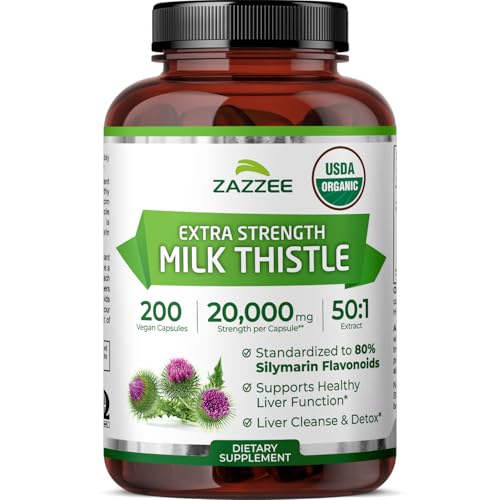
🛒 Where to Buy Milk Thistle (Silymarin)
- CleanseParasites Heavy Metal + Microplastics Binder Editor’s Pick
Contains milk thistle alongside spirulina, zeolite, and other binder herbs. - Thorne Siliphos (Silybin Phosphatidylcholine Complex)Lab-tested / studied
capsules, 1 capsule (~120mg silybin-phosphatidylcholine complex) — Clinically-studied phospholipid complex form used in bioavailability research; NSF Certified for Sport option - Jarrow Formulas Milk Thistle 150mg (Silymarin Standardized Extract)
capsules, 1 capsule (150mg, 80% silymarin) — Widely used, third-party tested, standard 80% silymarin extract at an accessible price - NOW Foods Silymarin Milk Thistle Extract 150mg
capsules, 1 capsule (150mg, 80% silymarin) — GMP-certified, budget-friendly staple brand with consistent standardization - Nature’s Way Milk Thistle Thisilyn Standardized Extract
capsules, 1 capsule (175mg, 80% silymarin) — Long-running standardized formula, one of the most established milk thistle brands in the US market
As an Amazon Associate we earn from qualifying purchases. Quality varies widely — always choose a product with a published third-party test (COA) before buying.
A Note on the Evidence
The cited evidence is primarily from preclinical (rodent, in vitro, ex vivo) studies; human clinical trials comparing these advanced delivery systems with standard extracts or phytosomes are limited. Enhanced bioavailability may increase the risk of interactions with CYP450-metabolized drugs. Individuals with liver disease, ragweed/Asteraceae allergies, or those on prescription medications should consult a healthcare professional before using silymarin supplements.
Frequently Asked Questions
Why is standard silymarin poorly absorbed?
Standard silymarin has low water solubility, limited intestinal permeability, and undergoes rapid glucuronidation and sulfation in the gut and liver, resulting in low plasma levels of free silybin.
How do cyclodextrin complexes improve silymarin absorption?
Cyclodextrins form water-soluble inclusion complexes with silybin, enhancing its dissolution rate and intestinal absorption, as shown by higher plasma AUC in rats compared to traditional suspensions [1].
What is the advantage of lipid-silybin conjugate nanoparticles?
These conjugates self-assemble into nanoparticles that exploit dietary lipid absorption pathways, promoting lymphatic uptake and bypassing significant first-pass hepatic metabolism, thereby increasing oral bioavailability [3].

Can berberine-silybin salt provide better liver benefits?
In a preclinical NAFLD model, the berberine-silybin salt outperformed a physical mixture in regulating lipid metabolism, suggesting improved delivery and synergistic anti-steatotic effects [4].
Are topical silibinin formulations effective for skin conditions?
Yes, hydrogel nanocapsules and polymeric micelles have demonstrated safe skin permeation and anti-psoriatic effects in human skin models and psoriatic skin models, respectively [5][6].
Should I choose a phytosome or a nanoparticle-based supplement?
Both aim to improve bioavailability, but direct comparative human data are limited. Selection should consider product standardization, third-party testing, and physician guidance, especially if you take medications metabolized by CYP450 enzymes.
References
- Arcari M et al. [A new inclusion complex of silibinin and beta-cyclodextrins: in vitro dissolution kinetics and in vivo absorption in comparison with traditional formulations]. Bollettino chimico farmaceutico (1992). PMID 1445687
- Xu D et al. In vivo absorption comparison of nanotechnology-based silybin tablets with its water-soluble derivative. Drug development and industrial pharmacy (2015). PMID 24495272
- Ma Y et al. In vivo fate of lipid-silybin conjugate nanoparticles: Implications on enhanced oral bioavailability. Nanomedicine : nanotechnology, biology, and medicine (2017). PMID 28778838
- Ma X et al. Berberine-silybin salt achieves improved anti-nonalcoholic fatty liver disease effect through regulating lipid metabolism. Journal of ethnopharmacology (2024). PMID 37774895
- Marchiori MCL et al. Hydrogel Containing Silibinin-Loaded Pomegranate Oil-Based Nanocapsules for Cutaneous Application: In Vitro Safety Investigation and Human Skin Biometry and Permeation Studies. AAPS PharmSciTech (2023). PMID 37349650
- Chavoshy F et al. Delivery and Anti-Psoriatic Effect of Silibinin-Loaded Polymeric Micelles: An Experimental Study in the Psoriatic Skin Model. Current drug delivery (2020). PMID 32703129
These statements have not been evaluated by the Food and Drug Administration. This information is not intended to diagnose, treat, cure, or prevent any disease. Content is for informational purposes only and is not medical advice; consult a qualified healthcare provider before starting any supplement. As an Amazon Associate we earn from qualifying purchases.