Milk thistle (Silybum marianum) is one of the most studied botanicals for liver support, and its seed extract, standardized to a flavonolignan complex called silymarin (with silybin/silibinin as the primary active component), has a long history of use for hepatic protection. A specific question comes up often: does milk thistle help the liver cope with heavy metal exposure, whether from lead, cadmium, or other environmental sources?
The honest answer is that the evidence here comes almost entirely from animal and cell-culture studies, not human clinical trials. This article walks through what those studies actually measured, the proposed biological mechanism, and where the real limits of this research are, without overstating what silymarin can or cannot do for someone worried about heavy metal exposure.
Key Takeaways
- Animal and cell-culture studies show silymarin has antioxidant, membrane-protective effects on liver cells exposed to copper, cadmium, silver nanoparticles, and lead [1][2][3][4]
- None of the cited research is a human clinical trial; there is no direct evidence that milk thistle supplements reduce heavy-metal-related liver harm in people
- Silymarin was studied as a potential antioxidant adjunct alongside, not as a replacement for, medical chelation therapy (D-penicillamine) for lead toxicity [4]
- Much of the current research effort is aimed at solving silymarin’s poor oral bioavailability (liposomal and nanoparticle formulations), which itself signals plain milk thistle extract may not reach the liver in high concentrations
- Confirmed or suspected heavy metal poisoning requires medical evaluation and treatment, not self-directed supplementation
Why Heavy Metals Stress the Liver
The liver is the body’s primary site for metabolizing and clearing many toxic substances, including heavy metals like lead, cadmium, copper (in excess), and metal-based nanoparticles such as silver. When metal exposure is high or prolonged, hepatocytes (liver cells) can experience oxidative stress: an overload of reactive oxygen species that damages cell membranes, proteins, and DNA. This oxidative burden is the common thread across the animal research on silymarin and metal toxicity.
Silymarin’s proposed liver-protective mechanisms include antioxidant activity (neutralizing reactive oxygen species), membrane-stabilizing effects on hepatocytes, and mild anti-inflammatory action [5]. These are the mechanisms researchers have tested against several specific metal and metal-nanoparticle exposures in laboratory models.

Copper Toxicity: A Liposomal Silymarin Study in Rats
One study examined a liposomal (lipid-encapsulated) formulation of silymarin in Wistar rats exposed to copper toxicity, evaluating both liver dysfunction markers and neurobehavioral abnormalities. The liposomal delivery format was used specifically to try to improve silymarin’s notoriously poor oral bioavailability. The researchers reported that this formulation was effective against copper-toxicity-associated liver dysfunction in the rat model [1].
This is a useful data point on formulation, since silymarin in its plain form is poorly absorbed, but it is still a single rodent study of one specific encapsulation technology, not a human-relevant conclusion about copper exposure or supplementation.
Cadmium Exposure in Pregnant Rats
Cadmium is a heavy metal of particular concern due to its accumulation in tissues over time and its association with developmental toxicity. A study looked at silymarin’s effects against cadmium-induced toxicity in pregnant rats and their fetuses, and reported an ameliorating effect on the toxicity measures studied [2].
Pregnancy-related toxicology studies in animals are not a basis for recommending any supplement during human pregnancy. If anything, this line of research underscores why milk thistle should be used cautiously, and only under physician guidance, during pregnancy rather than being seen as a protective measure against environmental exposures.
Silver Nanoparticles and Primary Liver Cell Culture
Silver nanoparticles are increasingly used in consumer products and have documented toxicity to liver tissue. A cell-culture study using primary mouse liver cells compared silymarin and vitamin E for their protective effects against silver nanoparticle toxicity, reporting protective effects from both compounds in this in vitro model [3].

This is a cell-culture (in vitro) study, one step further removed from a living organism than the rat studies above. It’s a reasonable mechanistic signal, but it can’t tell us how silymarin behaves in an intact liver dealing with real-world nanoparticle or metal exposure over time.
Lead Toxicity and Comparison to a Chelating Drug
Lead exposure remains a global health concern, and one study evaluated silymarin’s protective role against lead-induced liver toxicity and oxidative stress, comparing it against D-penicillamine, a pharmaceutical chelating agent used clinically to bind and remove certain heavy metals from the body [4]. The study reported a protective role for silymarin against lead-induced oxidative stress markers.
It’s worth being precise about what this comparison does and doesn’t mean: D-penicillamine is an actual chelation therapy, a medical treatment prescribed for heavy metal poisoning. Silymarin was tested alongside it as a potential adjunct antioxidant, not as a replacement for chelation therapy. Nothing in this research supports using milk thistle instead of medical treatment for confirmed lead toxicity.
Nanoparticle Delivery: Silymarin-Gold Conjugates
Beyond testing silymarin against metal toxicity, researchers have also explored using metal nanoparticles as a delivery vehicle for silymarin itself. One study synthesized a silymarin-gold nanoparticle conjugate and analyzed its liver-protective activity, part of a broader effort to solve silymarin’s low oral bioavailability using nanoparticle carrier technology [6].

This is a drug-delivery engineering study more than a heavy-metal-exposure study. It illustrates how much current silymarin research is focused on formulation problems, since the compound itself is poorly absorbed in its natural state, which is a separate question from whether oral milk thistle supplements provide meaningful heavy-metal protection in humans.
What This Body of Research Does and Doesn't Show
Across these studies, a consistent laboratory finding emerges: silymarin exhibits antioxidant and membrane-protective effects on liver cells challenged with various metals (copper, cadmium, silver, lead) in rodent and cell-culture models [5]. That’s a real and reproducible mechanistic signal.
What’s missing is the translational step: no published human clinical trial tests whether milk thistle supplementation reduces liver harm from heavy metal exposure in people. Animal and cell studies are useful for generating hypotheses and understanding mechanism, but rodent dosing, metabolism, and toxicity thresholds don’t map directly onto human physiology or real-world, chronic, low-level environmental exposure.
🛒 Where to Buy Milk Thistle (Silymarin)
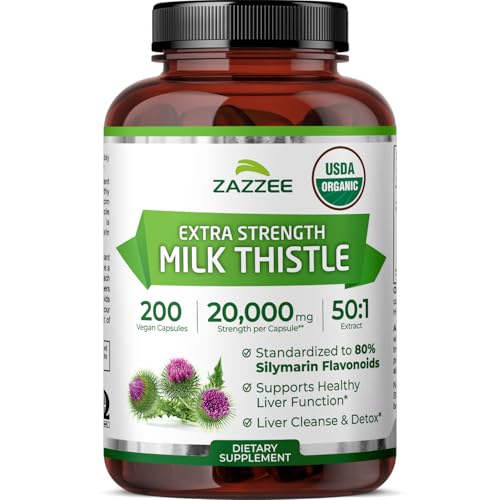
- CleanseParasites Heavy Metal + Microplastics Binder Editor’s Pick
Contains milk thistle alongside spirulina, zeolite, and other binder herbs. - Thorne Siliphos (Silybin Phosphatidylcholine Complex)
capsules, 1 capsule (~120mg silybin-phosphatidylcholine complex) — Phospholipid complex form (silybin bound to phosphatidylcholine) for liver support - Jarrow Formulas Milk Thistle 150mg (Silymarin Standardized Extract)
capsules, 1 capsule (150mg, 80% silymarin) — Widely used, standard 80% silymarin extract at an accessible price - NOW Foods Silymarin Milk Thistle Extract 150mg
capsules, 1 capsule (150mg, 80% silymarin) — Made under NOW’s GMP Quality Assured program, budget-friendly staple brand with consistent standardization - Nature’s Way Milk Thistle Thisilyn Standardized Extract
capsules, 1 capsule (175mg, 80% silymarin) — Long-running standardized formula, one of the most established milk thistle brands in the US market
As an Amazon Associate we earn from qualifying purchases. Quality varies widely — always choose a product with a published third-party test (COA) before buying.
A Note on the Evidence
The evidence connecting milk thistle to heavy metal protection consists entirely of animal and cell-culture studies, not human clinical trials, and should not be read as proof of effectiveness in people. Milk thistle supplements are not FDA-evaluated for safety or effectiveness and are not intended to diagnose, treat, cure, or prevent any disease; anyone with diagnosed liver disease, a ragweed/Asteraceae allergy, or taking CYP450-metabolized medications should consult a physician before use, and suspected heavy metal exposure or poisoning warrants direct medical evaluation rather than self-treatment.
Frequently Asked Questions
Can milk thistle remove heavy metals from the body?
No. The cited research does not show silymarin chelates or removes heavy metals; it looks at whether silymarin protects liver cells from oxidative damage during metal exposure in animal and cell models [4]. Actual heavy metal removal (chelation) is a distinct medical treatment, not something milk thistle supplements are shown to do.
Is milk thistle a substitute for chelation therapy?
No. One study compared silymarin’s antioxidant effects to the chelating drug D-penicillamine in a lead-toxicity rat model, but this was a comparison of two different mechanisms, not evidence that silymarin can replace medical chelation [4]. Confirmed lead or heavy metal poisoning should be managed by a physician.
Does the research apply to human heavy metal exposure, like from contaminated water or occupational exposure?
Not directly. All six cited studies are in rodents or isolated liver cells, not in humans with real-world environmental or occupational exposure. Rodent dosing and metabolism differ substantially from human physiology, so these findings are hypothesis-generating, not proof of a protective effect in people [2].

Why do some of these studies use special formulations like liposomes or gold nanoparticles?
Plain silymarin is poorly absorbed when taken orally. Researchers have tested liposomal encapsulation and gold nanoparticle conjugation specifically to try to improve how much silymarin actually reaches the bloodstream and liver [1][6]. This suggests standard milk thistle capsules may deliver less active compound to the liver than lab studies imply.
Is milk thistle safe to take with other medications?
Milk thistle can interact with CYP450-metabolized medications, including some statins, diabetes medications, and hormonal therapies. Anyone on these medications, or with a diagnosed liver disease or ragweed/Asteraceae allergy, should talk to a physician before using milk thistle.
Should I take milk thistle if I'm worried about heavy metal exposure?
That’s a decision to make with a physician, not based on animal studies alone. If you have a specific concern about heavy metal exposure, the appropriate first step is testing and medical evaluation, since milk thistle has not been shown in human trials to meaningfully address heavy metal toxicity.
References
- Maryam T et al. Silymarin Encapsulated Liposomal Formulation: An Effective Treatment Modality against Copper Toxicity Associated Liver Dysfunction and Neurobehavioral Abnormalities in Wistar Rats. Molecules (Basel, Switzerland) (2023). PMID 36771180
- Omar AR et al. Amelioration of silymarin against cadmium-induced toxicity in pregnant rats and their fetuses. Birth defects research (2023). PMID 37401502
- Faedmaleki F et al. Study of Silymarin and Vitamin E Protective Effects on Silver Nanoparticle Toxicity on Mice Liver Primary Cell Culture. Acta medica Iranica (2016). PMID 26997594
- Jalali SM et al. Protective role of silymarin and D-penicillamine against lead-induced liver toxicity and oxidative stress. Toxicology and industrial health (2017). PMID 28071527
- Pradhan SC et al. Hepatoprotective herbal drug, silymarin from experimental pharmacology to clinical medicine. The Indian journal of medical research (2006). PMID 17213517
- Staroverov S et al. Synthesis of Silymarin-Gold Nanoparticle Conjugate and Analysis of its Liver-Protecting Activity. Current pharmaceutical biotechnology (2021). PMID 33388017
These statements have not been evaluated by the Food and Drug Administration. This information is not intended to diagnose, treat, cure, or prevent any disease. Content is for informational purposes only and is not medical advice; consult a qualified healthcare provider before starting any supplement. As an Amazon Associate we earn from qualifying purchases.