Milk thistle (Silybum marianum) is one of the most widely used liver-support supplements, valued for its seed extract silymarin and its main active compound, silybin. It’s generally described in the research literature as well-tolerated, but ‘well-tolerated’ doesn’t mean side-effect-free, and it doesn’t mean it’s right for everyone.
This article walks through what’s actually documented about milk thistle’s safety profile: common mild side effects, less common but more serious concerns like allergic reactions, who should be cautious, and how it may interact with certain medications. None of this is medical advice, it’s a summary of what the evidence says so you can have an informed conversation with your doctor or pharmacist.
Key Takeaways
- Most milk thistle side effects are mild and gastrointestinal (bloating, upset stomach, laxative effect) [1]
- People with ragweed, daisy, marigold, or chrysanthemum allergies (Asteraceae family) are at higher risk of allergic reactions and should be cautious [1]
- Silymarin should be used with caution alongside narrow therapeutic window drugs [2]
- Overall safety data is reassuring but not exhaustive, quality, sourcing, and dose all matter [3] [2]
- Anyone with a diagnosed liver condition or on prescription medications should loop in their physician before starting milk thistle
How Well-Tolerated Is Milk Thistle, Really?
An updated safety and toxicity review of silymarin found that across clinical use, it has a favorable safety profile compared to many other botanicals, with most reported effects being mild and transient [2]. This is a reassuring baseline, but ‘favorable’ is a relative term in a field where many herbal products have limited long-term safety data.
In a randomized trial testing silymarin specifically for nonalcoholic steatohepatitis (NASH), a liver condition where safety monitoring is especially rigorous, silymarin was reported as generally well tolerated over the treatment period, without a signal of serious drug-related harm in that trial population [4]. A broader meta-analysis of dietary polyphenol supplementation (including silymarin-related interventions) for non-alcoholic fatty liver disease similarly reported an acceptable safety profile alongside modest efficacy signals [5].

The Most Commonly Reported Side Effects
When side effects do occur, they tend to be mild and gastrointestinal in nature. A classic clinical review of milk thistle noted that the most frequently reported adverse effects are gastrointestinal, including a laxative effect, bloating, or general stomach upset, particularly at higher doses [1].
A more recent critical assessment of botanicals marketed for gastrointestinal complaints also flags that plant-derived supplements positioned around gut and gastric health, milk thistle included, warrant scrutiny of the actual evidence behind health claims related to digestive tolerance and gastric acid regulation, rather than assuming a ‘natural’ product is automatically gentle on the GI tract [6]. In practice, this means mild stomach discomfort is the most likely thing you’ll notice, and it’s usually not a reason for alarm, but it’s worth mentioning to a healthcare provider if it persists.
Allergic Reactions: Who Needs to Be Careful
Milk thistle belongs to the Asteraceae (daisy/ragweed) plant family. People with known allergies to ragweed, marigolds, daisies, or chrysanthemums have a documented risk of cross-reactive allergic reactions to milk thistle, ranging from skin reactions to more significant hypersensitivity responses. This is one of the more consistently cited cautions in clinical summaries of the herb [1].
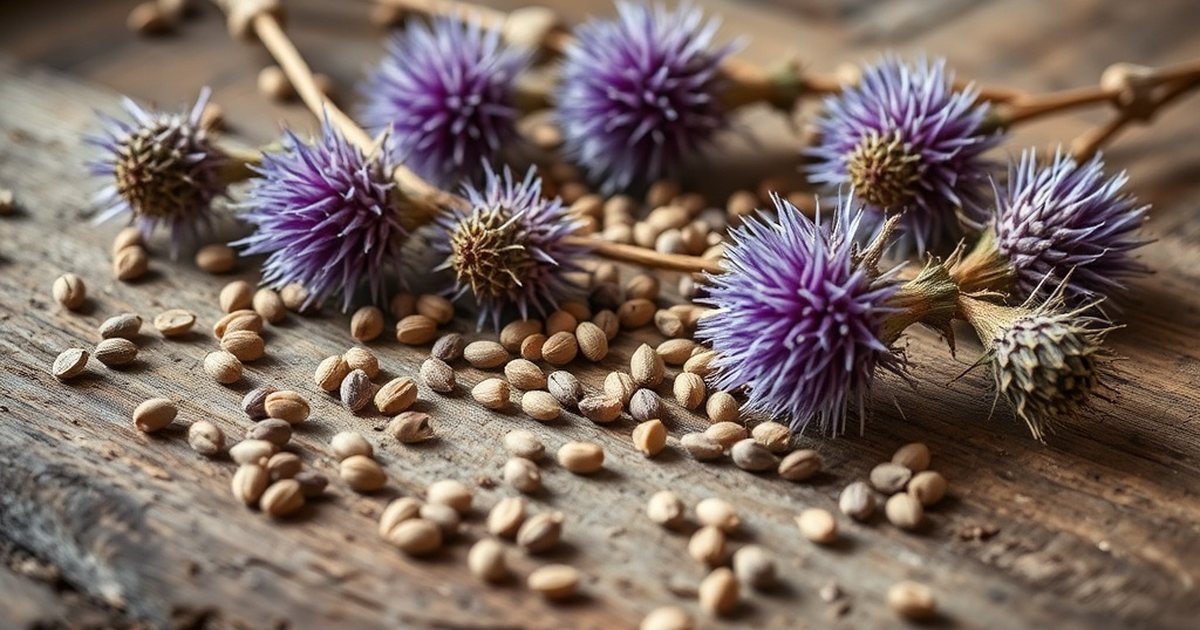
If you have a diagnosed pollen or Asteraceae-family allergy, that’s a specific, concrete reason to talk to a physician or allergist before trying milk thistle, rather than a generic disclaimer to brush past.

The Irony of a 'Liver Herb': Rare Hepatotoxicity Reports
Because milk thistle is marketed as a liver-support botanical, it’s easy to assume it can’t itself cause liver problems. The picture is more nuanced. A foundational review on the hepatotoxicity of botanicals discusses how herbal products broadly, including some marketed for liver health, can occasionally be associated with liver injury, often due to contamination, misidentification of plant material, or interactions rather than the core active compound itself [3].
This doesn’t mean silymarin itself is commonly hepatotoxic, mechanistic and clinical work has generally supported silybin’s role in supporting hepatocyte function rather than harming it [7]. But it’s a reminder that supplement quality, sourcing, and purity matter, and that anyone with a diagnosed liver condition should have milk thistle use supervised by their treating physician rather than self-directed.
Drug Interactions to Know
A safety review found silymarin has low drug-interaction potential and no major effects on cytochromes P-450, but advised caution when it is co-administered with narrow therapeutic window drugs [2].
This is not a reason to panic if you’re taking a narrow therapeutic window drug, but it is a reason to disclose milk thistle use to your prescribing doctor or pharmacist, the same way you would disclose any new supplement. They can flag whether your specific medication and dose carry meaningful interaction risk.

What About Long-Term or High-Dose Use?
Much of the clinical trial data on silymarin, including work in NASH and gastrointestinal cancer contexts, uses defined doses over defined trial periods, generally weeks to months, under some form of monitoring [4] [8]. That’s a different scenario from indefinite, unsupervised daily use at whatever dose a supplement label suggests.
The safety and toxicity review notes that despite a generally favorable profile, ongoing surveillance and updated review of silymarin’s safety data remains warranted as usage patterns and formulations expand, including in newer delivery formats [2]. Newer approaches, such as nanomedicine-based plant-derived formulations being studied for liver protection in the context of drug-induced injury, are still an emerging area of research rather than an established standard [9].
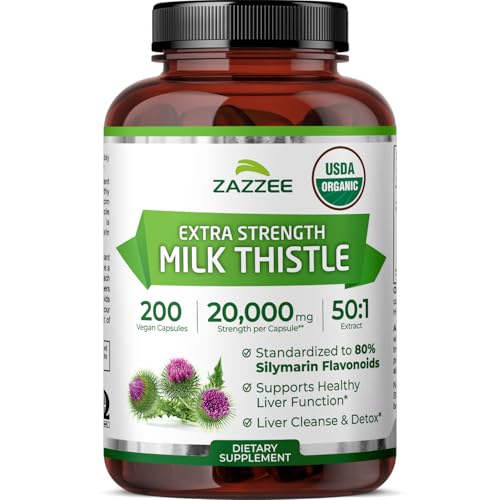
🛒 Where to Buy Milk Thistle (Silymarin)
- CleanseParasites Heavy Metal + Microplastics Binder Editor’s Pick
Contains milk thistle alongside spirulina, zeolite, and other binder herbs. - Thorne Siliphos (Silybin Phosphatidylcholine Complex)
capsules, 1 capsule (~120mg silybin-phosphatidylcholine complex) — Phospholipid complex form (silybin bound to phosphatidylcholine) for liver support - Jarrow Formulas Milk Thistle 150mg (Silymarin Standardized Extract)
capsules, 1 capsule (150mg, 80% silymarin) — Widely used, standard 80% silymarin extract at an accessible price - NOW Foods Silymarin Milk Thistle Extract 150mg
capsules, 1 capsule (150mg, 80% silymarin) — Made under NOW’s GMP Quality Assured program, budget-friendly staple brand with consistent standardization - Nature’s Way Milk Thistle Thisilyn Standardized Extract
capsules, 1 capsule (175mg, 80% silymarin) — Long-running standardized formula, one of the most established milk thistle brands in the US market
As an Amazon Associate we earn from qualifying purchases. Quality varies widely — always choose a product with a published third-party test (COA) before buying.
A Note on the Evidence
The evidence here comes from a mix of clinical trials, safety reviews, and mechanistic research, much of it short-to-medium term rather than lifelong-use data. This article is informational, not medical advice; talk to a physician or pharmacist before starting milk thistle, especially if you have allergies, liver disease, or take prescription medications.
Frequently Asked Questions
Is milk thistle safe for daily use?
Clinical reviews describe silymarin as generally well-tolerated in trial settings over defined periods [2] [4], but long-term, unsupervised daily use hasn’t been studied as thoroughly as short-to-medium term trial use. If you plan to take it long-term, it’s worth checking in with a physician periodically.
Can milk thistle cause an allergic reaction?
Yes, particularly in people allergic to ragweed or other Asteraceae-family plants (daisies, marigolds, chrysanthemums), who have a documented risk of cross-reactivity [1]. Anyone with these allergies should consult a physician before use.
Does milk thistle interact with medications?
Possibly, with caution. A safety review found low drug-interaction potential and no major effects on CYP450 liver enzymes, but advised caution with narrow therapeutic window drugs [2]. Tell your doctor or pharmacist about any milk thistle use, especially if you’re taking a narrow therapeutic window drug.

Can milk thistle actually harm the liver?
This would be unusual for silymarin specifically, most research supports a protective or supportive role for silybin in liver cells [7]. However, general reviews of botanical hepatotoxicity note that herbal products broadly can occasionally be linked to liver injury, often tied to contamination or product quality issues rather than the core compound [3].
Is milk thistle regulated or FDA-approved for liver health?
No. Milk thistle supplements are not FDA-evaluated for safety or effectiveness and are not intended to diagnose, treat, cure, or prevent any disease. Regulatory oversight of supplement quality is looser than for pharmaceuticals, which is part of why sourcing matters.
Who should avoid milk thistle or check with a doctor first?
People with Asteraceae/ragweed allergies, diagnosed liver disease, or those taking narrow therapeutic window drugs should consult a physician before starting milk thistle [1] [2].
References
- Rainone F et al. Milk thistle. American family physician (2005). PMID 16225032
- Soleimani V et al. Safety and toxicity of silymarin, the major constituent of milk thistle extract: An updated review. Phytotherapy research : PTR (2019). PMID 31069872
- Stickel F et al. Hepatotoxicity of botanicals. Public health nutrition (2000). PMID 10948380
- Wah Kheong C et al. A Randomized Trial of Silymarin for the Treatment of Nonalcoholic Steatohepatitis. Clinical gastroenterology and hepatology : the official clinical practice journal of the American Gastroenterological Association (2017). PMID 28419855
- Yang K et al. Efficacy and safety of dietary polyphenol supplementation in the treatment of non-alcoholic fatty liver disease: A systematic review and meta-analysis. Frontiers in immunology (2022). PMID 36159792
- Teterovska R et al. Medicinal Plants in Food Supplements for Gastrointestinal Disorders: Critical Assessment of Health Claims on Gastric Acid Regulation. Nutrients (2025). PMID 41373965
- Loguercio C et al. Silybin and the liver: from basic research to clinical practice. World journal of gastroenterology (2011). PMID 21633595
- Fallah M et al. Silymarin (milk thistle extract) as a therapeutic agent in gastrointestinal cancer. Biomedicine & pharmacotherapy = Biomedecine & pharmacotherapie (2021). PMID 34399200
- Chen L et al. Oral Plant-Derived Nanomedicines Mitigate Acetaminophen-Induced Liver Injury by Modulating the Gut-Liver Axis and Intestinal Microbiota Metabolism. Small (Weinheim an der Bergstrasse, Germany) (2025). PMID 40511710
These statements have not been evaluated by the Food and Drug Administration. This information is not intended to diagnose, treat, cure, or prevent any disease. Content is for informational purposes only and is not medical advice; consult a qualified healthcare provider before starting any supplement. As an Amazon Associate we earn from qualifying purchases.