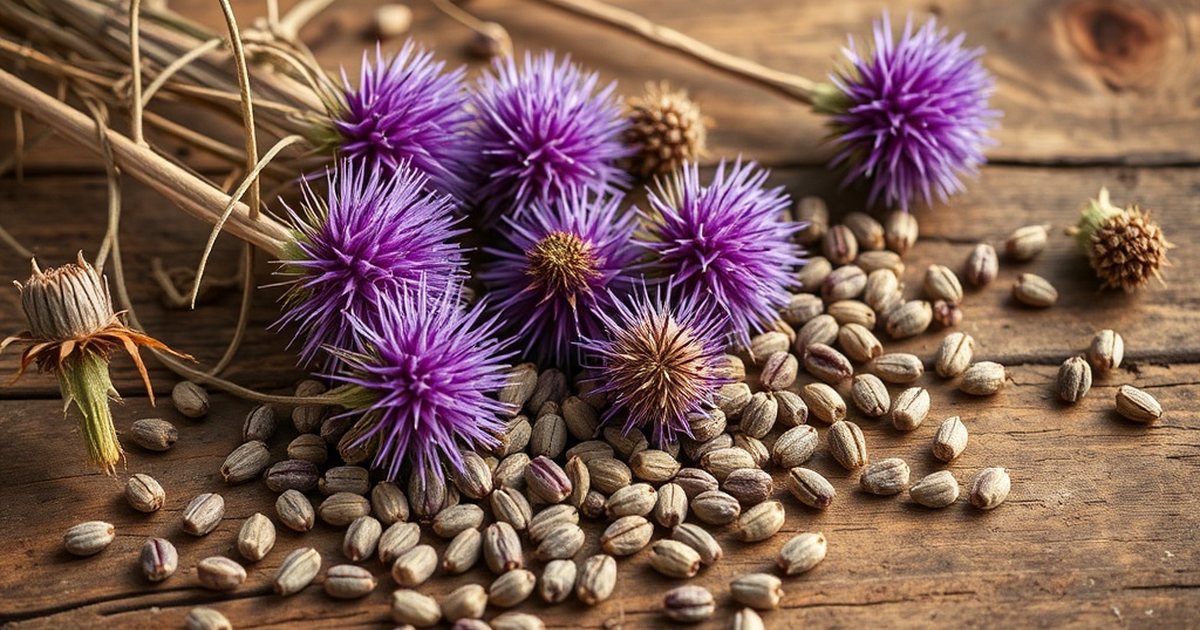
Milk thistle (Silybum marianum) is one of the most widely used herbal supplements for liver support, and alcohol-related liver disease is one of the conditions people most often ask about. The seed extract is standardized to silymarin, a mix of flavonolignans including silybin, that is proposed to work through antioxidant activity, stabilization of hepatocyte cell membranes, and mild anti-inflammatory effects [1] [2].
The honest answer is that the evidence specific to alcoholic liver disease is older, mixed, and less robust than many marketing claims suggest. This article walks through what the research, including two Cochrane systematic reviews focused specifically on alcohol-related and viral liver disease, actually found, and where the mechanistic story is stronger than the clinical outcomes.
Key Takeaways
- The two Cochrane reviews focused specifically on alcoholic liver disease found the trial evidence insufficient to confirm a benefit on mortality or liver-related complications, not proof that milk thistle has no effect.
- Most of the stronger recent silymarin evidence (enzyme improvements, some histology signals) comes from NAFLD/NASH research, which does not directly transfer to alcohol-related liver disease.
- Enzyme improvements (ALT/AST) are a common finding across silymarin studies but are a surrogate marker, not the same as improved survival or reduced complications.
- Silymarin is generally well tolerated in trials, but it can interact with CYP450-metabolized medications and is not a substitute for stopping alcohol use or medical care.
- Milk thistle supplements are not FDA-evaluated for safety or effectiveness and are not intended to diagnose, treat, cure, or prevent alcoholic liver disease.
What Alcohol Does to the Liver, and Why Milk Thistle Was Studied
Chronic alcohol use damages hepatocytes through oxidative stress, lipid peroxidation, and inflammatory cascades, progressing in stages from fatty liver to alcoholic hepatitis, fibrosis, and cirrhosis in some drinkers. Because silymarin’s proposed mechanisms center on scavenging free radicals and protecting the hepatocyte cell membrane, researchers have tested it as a supportive agent across a range of liver conditions, including alcohol-related disease, for decades [3] [4].
The rationale is mechanistically reasonable: if oxidative damage and membrane injury are part of how alcohol harms the liver, an antioxidant with membrane-stabilizing properties is a logical candidate to test. That rationale is what justified the trials discussed below, it is not, on its own, proof that the supplement changes clinical outcomes.

The Cochrane Reviews: The Most Direct Evidence We Have
The most relevant evidence comes from two Cochrane systematic reviews specifically titled ‘Milk thistle for alcoholic and/or hepatitis B or C virus liver diseases,’ published in 2005 and updated in 2007 [5] [6]. Cochrane reviews are considered a high bar for evidence synthesis because they pool randomized trials and apply strict methodological screening.
Both reviews concluded that the trial evidence available at the time did not support a clear benefit of milk thistle on mortality, liver-related complications, or liver histology in patients with alcoholic liver disease. The reviewers also flagged that many of the included trials were small, used inconsistent silymarin doses and preparations, and carried a meaningful risk of bias, meaning the null or inconsistent results should not be read as a confident ‘it doesn’t work’ so much as ‘the trials so far haven’t shown it working reliably’ [6].
This is an important distinction. A Cochrane review finding insufficient evidence of benefit is different from a review finding evidence of no effect. For alcoholic liver disease specifically, the honest summary is: the highest-quality synthesis available found the data unconvincing, not that it disproved a benefit.
What the Broader Silymarin Literature Adds
Outside of alcohol-specific trials, silymarin has a larger body of research in other liver conditions, particularly non-alcoholic fatty liver disease (NAFLD/NASH) and chronic liver disease more broadly. Narrative and systematic reviews describe improvements in liver enzymes (ALT, AST) and some histological markers with silymarin supplementation in NAFLD populations [7] [8] [2].

A 2024 systematic review and meta-analysis focused on silymarin in NAFLD/NASH reported favorable effects on liver enzymes and some metabolic markers, though the authors noted heterogeneity in study design, dosing, and duration across the included trials [8]. A broader review of polyphenol supplementation, which includes silymarin among other compounds, for NAFLD also found signals of benefit for liver enzymes but called for larger, more standardized trials [9] [10].
None of these NAFLD-focused studies directly answer the alcoholic liver disease question, fatty liver from alcohol and fatty liver from metabolic dysfunction share some pathways but are distinct conditions with different natural histories. Extrapolating NAFLD results to alcoholic liver disease is a common but not fully justified leap, and a 2024 comprehensive narrative review on silymarin’s pharmacology is explicit that its therapeutic potential across liver disease subtypes remains an active area of study rather than settled fact [11].
Liver Enzymes vs. Outcomes That Actually Matter
A recurring theme across the silymarin literature is that studies frequently report improvements in liver enzyme levels (ALT, AST, GGT) as a proxy for liver health [7] [2]. Enzyme improvements are a reasonable marker of reduced hepatocyte injury, but they are a surrogate endpoint, not the same as reduced fibrosis progression, reduced hospitalization, or reduced mortality.
The Cochrane reviews on alcoholic liver disease specifically looked at harder outcomes, mortality and liver-related morbidity, and found the evidence insufficient there [5] [6]. This gap between ‘enzymes look better’ and ‘people do better’ is one of the most important nuances in evaluating milk thistle for any liver condition, including alcohol-related disease. It is also worth noting that liver disease, including metabolic dysfunction-associated steatotic liver disease, carries downstream cardiovascular risk, underscoring that liver health interventions need to be judged on whole-patient outcomes, not isolated lab values [12].

Safety, Interactions, and Who Should Be Cautious
Milk thistle is generally reported as well tolerated across trials, with mild gastrointestinal effects being the most commonly noted side effect in reviews of its use in liver disease [1] [3]. That said, general tolerability in trial populations does not mean it is appropriate for everyone.
Silymarin can interact with medications metabolized through the CYP450 enzyme system, which includes some statins, diabetes medications, and hormonal therapies. People with a diagnosed liver disease, anyone on CYP450-metabolized medications, and those with ragweed or other Asteraceae plant allergies should talk to a physician before starting milk thistle, particularly in the context of alcohol-related liver disease where medical monitoring is already important.
🛒 Where to Buy Milk Thistle (Silymarin)
- CleanseParasites Heavy Metal + Microplastics Binder Editor’s Pick
Contains milk thistle alongside spirulina, zeolite, and other binder herbs. - Thorne Siliphos (Silybin Phosphatidylcholine Complex)
capsules, 1 capsule (~120mg silybin-phosphatidylcholine complex) — Phospholipid complex form (silybin bound to phosphatidylcholine) for liver support - Jarrow Formulas Milk Thistle 150mg (Silymarin Standardized Extract)
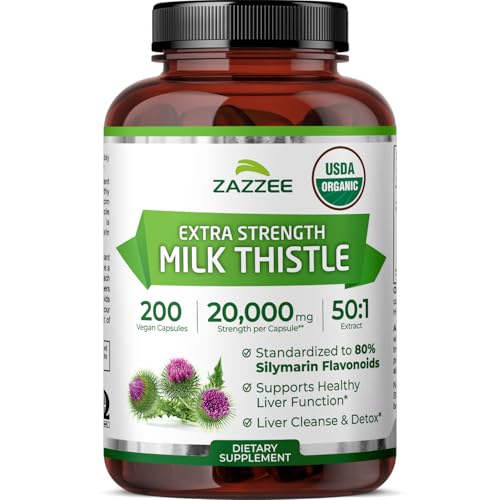
capsules, 1 capsule (150mg, 80% silymarin) — Widely used, standard 80% silymarin extract at an accessible price - NOW Foods Silymarin Milk Thistle Extract 150mg
capsules, 1 capsule (150mg, 80% silymarin) — Made under NOW’s GMP Quality Assured program, budget-friendly staple brand with consistent standardization - Nature’s Way Milk Thistle Thisilyn Standardized Extract
capsules, 1 capsule (175mg, 80% silymarin) — Long-running standardized formula, one of the most established milk thistle brands in the US market
As an Amazon Associate we earn from qualifying purchases. Quality varies widely — always choose a product with a published third-party test (COA) before buying.
A Note on the Evidence
This article is informational, not medical advice. Milk thistle supplements are not FDA-evaluated for safety or effectiveness and are not intended to diagnose, treat, cure, or prevent alcoholic liver disease; anyone with diagnosed liver disease, on CYP450-metabolized medications, or with a ragweed/Asteraceae allergy should consult a physician before use.
Frequently Asked Questions
Does milk thistle reverse alcohol-related liver damage?
No clinical evidence supports reversal of alcohol-related liver damage. The Cochrane reviews specific to alcoholic liver disease found insufficient evidence of benefit on mortality or liver-related complications [6] [5].
Can milk thistle be used instead of stopping drinking?
No. Nothing in the cited research positions silymarin as a replacement for abstinence or reduced alcohol intake, which remains the primary intervention for alcohol-related liver disease.
Why do some sources say milk thistle helps the liver if the alcohol-specific trials were unconvincing?
Much of the more favorable recent evidence comes from NAFLD/NASH research showing improved liver enzymes [8] [9], a different condition from alcohol-related liver disease, so results don’t automatically transfer.

Is milk thistle safe to take with medications?
It can interact with CYP450-metabolized drugs, including some statins, diabetes medications, and hormonal therapies. Anyone on these medications, or with diagnosed liver disease, should consult a physician first.
Does silymarin improve liver enzyme levels?
Several reviews report improvements in ALT and AST with silymarin supplementation, mostly in NAFLD populations [7] [2], but enzyme changes are a surrogate marker and not equivalent to improved survival or disease outcomes.
Who should avoid milk thistle?
People with ragweed or Asteraceae plant allergies, those with diagnosed liver disease, and anyone on CYP450-metabolized medications should consult a physician before use.
References
- Abenavoli L et al. Milk thistle (Silybum marianum): A concise overview on its chemistry, pharmacological, and nutraceutical uses in liver diseases. Phytotherapy research : PTR (2018). PMID 30080294
- Federico A et al. Silymarin/Silybin and Chronic Liver Disease: A Marriage of Many Years. Molecules (Basel, Switzerland) (2017). PMID 28125040
- Abenavoli L et al. Milk thistle in liver diseases: past, present, future. Phytotherapy research : PTR (2010). PMID 20564545
- Dhiman RK et al. Herbal medicines for liver diseases. Digestive diseases and sciences (2005). PMID 16187178
- Rambaldi A et al. Milk thistle for alcoholic and/or hepatitis B or C virus liver diseases. The Cochrane database of systematic reviews (2005). PMID 15846671
- Rambaldi A et al. Milk thistle for alcoholic and/or hepatitis B or C virus liver diseases. The Cochrane database of systematic reviews (2007). PMID 17943794
- Gillessen A et al. Silymarin as Supportive Treatment in Liver Diseases: A Narrative Review. Advances in therapy (2020). PMID 32065376
- Li S et al. Administration of silymarin in NAFLD/NASH: A systematic review and meta-analysis. Annals of hepatology (2024). PMID 38579127
- Yang K et al. Efficacy and safety of dietary polyphenol supplementation in the treatment of non-alcoholic fatty liver disease: A systematic review and meta-analysis. Frontiers in immunology (2022). PMID 36159792
- Ranneh Y et al. Polyphenol Intervention Ameliorates Non-Alcoholic Fatty Liver Disease: An Updated Comprehensive Systematic Review. Nutrients (2024). PMID 39683546
- Jaffar HM et al. Silymarin: Unveiling its pharmacological spectrum and therapeutic potential in liver diseases-A comprehensive narrative review. Food science & nutrition (2024). PMID 38726410
- Manolis AA et al. Metabolic dysfunction-associated steatotic liver disease and the cardiovascular system. Trends in cardiovascular medicine (2025). PMID 39848507
These statements have not been evaluated by the Food and Drug Administration. This information is not intended to diagnose, treat, cure, or prevent any disease. Content is for informational purposes only and is not medical advice; consult a qualified healthcare provider before starting any supplement. As an Amazon Associate we earn from qualifying purchases.