Milk thistle and artichoke leaf extract are two of the most common plant-based options marketed for liver support, and they’re often confused for one another because both are framed as “detox” or “liver cleanse” herbs. They come from different plants, contain different active compounds, and have been studied in different ways, so the comparison is worth making carefully rather than assuming they’re interchangeable.
This article lays out what each herb is, what’s proposed to happen in the body, and what the available research actually shows, including where the evidence is thin. Neither of these products is FDA-evaluated for safety or effectiveness, neither is intended to diagnose, treat, cure, or prevent any disease, and this is not a substitute for care from a physician, especially if you have diagnosed liver disease or take prescription medications.
Key Takeaways
- Milk thistle (silymarin/silibinin) and artichoke (cynarin) are different plants with different proposed mechanisms: antioxidant/membrane-stabilizing for milk thistle, choleretic/antioxidant for artichoke.
- Artichoke leaf extract has clinical trial and network meta-analysis data specifically for liver complaints and NAFLD [1][2][3].
- Artichoke also has research on cholesterol and metabolic risk factors, sometimes in combination with other compounds [4][5].
- Neither herb is a cure or treatment for liver disease; both are supplements with early or limited human evidence relative to their popularity.
- Anyone with diagnosed liver disease, Asteraceae/ragweed allergies, or taking CYP450-metabolized medications should consult a physician before use.
Milk Thistle: What It Is and How It's Thought to Work
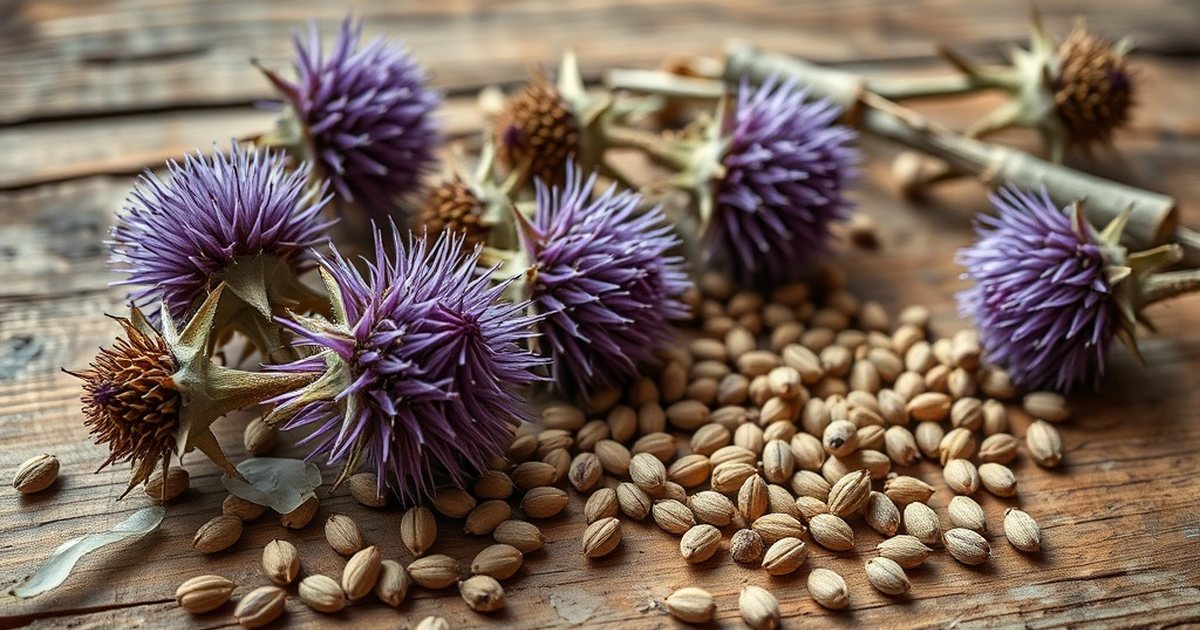
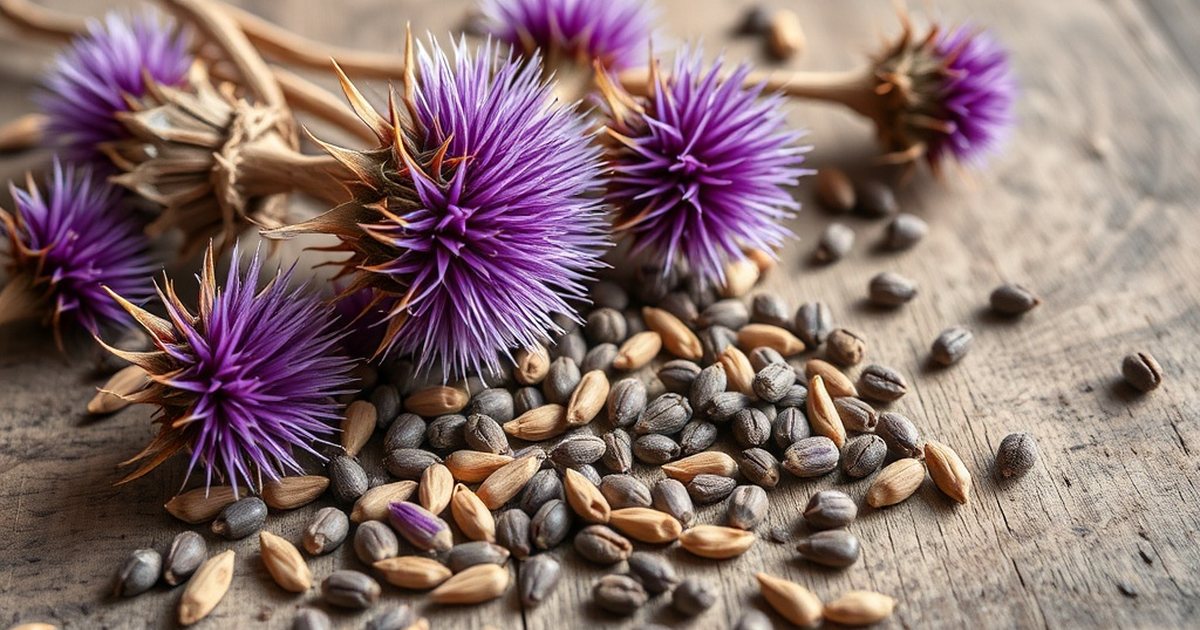
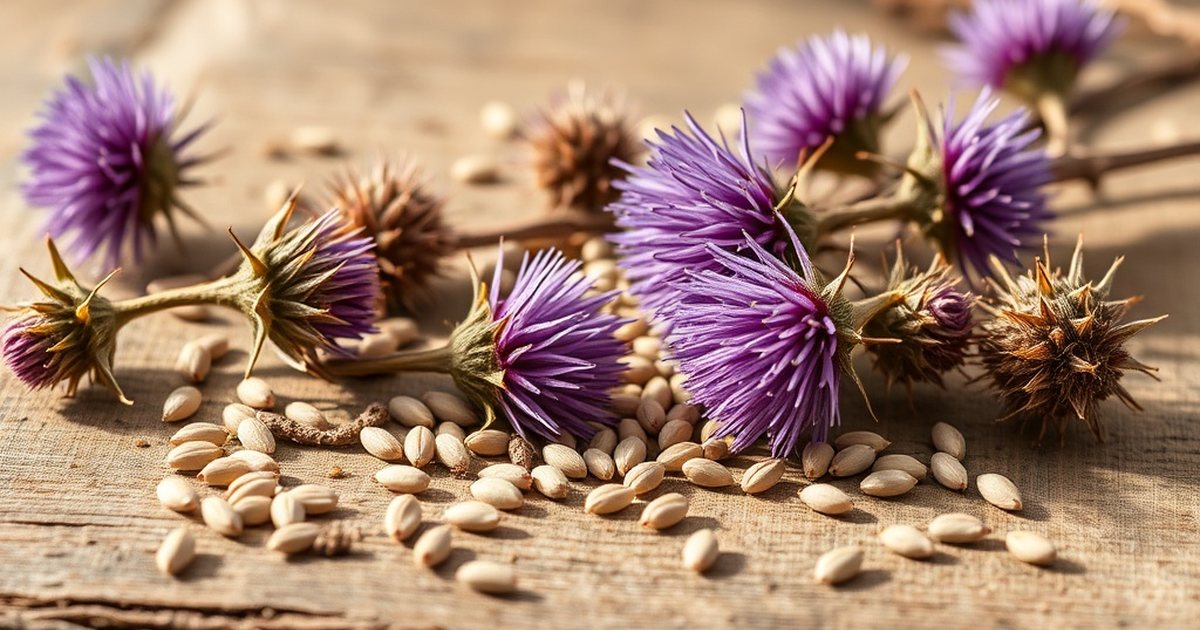
Milk thistle (Silybum marianum) is a flowering herb whose seed extract is standardized to silymarin, a complex of flavonolignans that includes silybin (also called silibinin) as the primary constituent. Silymarin is proposed to act on liver cells (hepatocytes) through antioxidant activity, by helping stabilize cell membranes, and through mild anti-inflammatory effects, mechanisms that are plausible in laboratory and animal models but are not the same as proof of clinical benefit in people.
Because milk thistle has such a long history of traditional use, it’s easy to assume its liver benefits are firmly established. The mechanistic story is well described, but rigorous, well-powered human trials specifically on silymarin are more limited than the herb’s popularity would suggest, which is an important caveat before making any strong claims about it.

Artichoke Extract: What It Is and How It's Thought to Work
Artichoke (Cynara scolymus and related species such as Cynara cardunculus) is typically used as a leaf extract standardized for polyphenols including cynarin and chlorogenic acid derivatives. A review of its pharmacology describes choleretic effects (increasing bile flow), antioxidant activity, and effects on lipid metabolism as the main proposed mechanisms behind its traditional use for digestive and liver complaints [6].
In cell-based (HepG2) research, wild artichoke leaf extract rich in phenolic compounds showed inhibitory effects on oxidative stress markers, supporting the antioxidant mechanism at a laboratory level [7]. Cynarin, one of artichoke’s signature compounds, has also been studied for hepatoprotective activity in an animal model of cholestatic liver injury, where it was associated with modulation of inflammatory signaling pathways (TXNIP/NLRP3 and HMGB1/NF-κB) [8].
Clinical Evidence: Liver Complaints and Fatty Liver Disease
Artichoke extract has more directly relevant clinical data for liver-specific endpoints than is often assumed. An older animal study on different Cynara scolymus preparations found effects on bile flow and liver protection in rats, one of the earlier pieces of evidence behind its traditional use [1]. More recently, a pilot double-blind randomized controlled trial tested artichoke leaf extract in people with non-alcoholic fatty liver disease (NAFLD) and reported improvements as a result of supplementation [2].

A 2024 network meta-analysis compared multiple natural products, including artichoke, in patients with NAFLD, allowing researchers to weigh different herbal options against each other rather than against placebo alone [3]. This kind of comparative analysis is more informative than a single small trial, though network meta-analyses inherit the limitations of the individual studies feeding into them.
Silymarin was one of the seven products that same network meta-analysis compared, and artichoke leaf extract outranked it for reducing AST, ALT and LDL cholesterol[3]. Silymarin has its own randomized record beyond that analysis, and it is more equivocal than the marketing suggests: two placebo-controlled trials with liver-biopsy endpoints in NASH both missed their primary histologic endpoint, though one did report significantly more fibrosis improvement on a secondary measure[9] [10].
Beyond the Liver: Cholesterol and Metabolic Effects
Artichoke’s research base extends into cardiometabolic markers, which is relevant because liver health and lipid metabolism are closely linked. A review of artichoke’s effect on lipid profile outlines possible mechanisms by which it may influence cholesterol handling [4], and a 2024 randomized, double-blind, placebo-controlled trial tested a supplement combining artichoke and bergamot extracts in people with suboptimal cholesterol levels, assessing metabolic and vascular risk factors [5].
There is also emerging, more specialized research on cynarin outside the liver, for example in a spinal cord injury model where cynarin was shown to inhibit certain inflammatory pathways [11], and in gallstone-related research where a related plant compound was studied for its effect on bile acid signaling and gallstone dissolution [12]. These findings illustrate the breadth of cynarin research but are not liver-disease treatment claims and shouldn’t be read as such.

Drug Interactions and Who Should Be Cautious
Milk thistle can interact with medications metabolized by CYP450 liver enzymes, which includes some statins, diabetes medications, and hormonal therapies, so anyone on these medications should talk to a physician before adding it. People with ragweed or Asteraceae plant allergies, or a diagnosed liver disease, should also consult a doctor first, since both milk thistle and artichoke belong to or are related to plants in this family.
Separately, cynarin (an artichoke constituent) has been studied for its ability to inhibit a drug transport protein (P-glycoprotein) in cancer cell research, which is a laboratory finding about a specific mechanism of drug transport rather than a general warning, but it underscores that these are biologically active compounds capable of interacting with how other substances move through the body [13].
Milk Thistle vs. Artichoke: How to Think About the Choice
Based on the evidence reviewed here, artichoke leaf extract has more direct clinical trial data tied specifically to liver complaints and NAFLD, along with supporting mechanistic and cell-based research. Milk thistle’s mechanism (antioxidant, membrane-stabilizing, mildly anti-inflammatory action on hepatocytes) is well described conceptually, and its randomized record in fatty liver disease exists but is mixed, with both biopsy-endpoint trials failing their primary outcome[9] [10].
In practice, some products combine both herbs rather than asking people to choose one over the other, on the theory that cynarin’s cholagogue (bile-flow) action and silymarin’s antioxidant action work through different pathways. That combination approach is common in the market, but it is also not something this article can verify with the cited evidence, since no combination trial was included in the source list.
🛒 Where to Buy Milk Thistle (Silymarin)
- CleanseParasites Heavy Metal + Microplastics Binder Editor’s Pick
Contains milk thistle alongside spirulina, zeolite, and other binder herbs. - Thorne Siliphos (Silybin Phosphatidylcholine Complex)
capsules, 1 capsule (~120mg silybin-phosphatidylcholine complex) — Phospholipid complex form (silybin bound to phosphatidylcholine) for liver support - Jarrow Formulas Milk Thistle 150mg (Silymarin Standardized Extract)
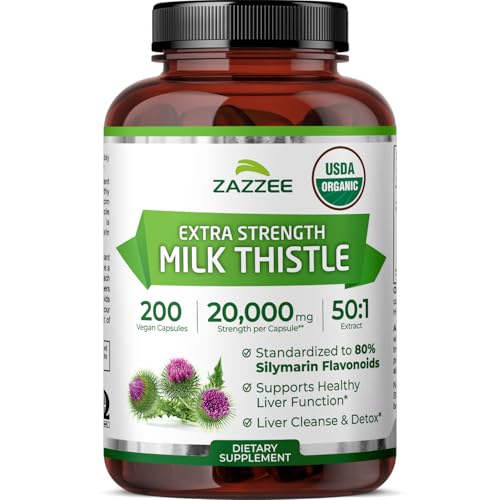
capsules, 1 capsule (150mg, 80% silymarin) — Widely used, standard 80% silymarin extract at an accessible price - NOW Foods Silymarin Milk Thistle Extract 150mg
capsules, 1 capsule (150mg, 80% silymarin) — Made under NOW’s GMP Quality Assured program, budget-friendly staple brand with consistent standardization - Nature’s Way Milk Thistle Thisilyn Standardized Extract
capsules, 1 capsule (175mg, 80% silymarin) — Long-running standardized formula, one of the most established milk thistle brands in the US market
As an Amazon Associate we earn from qualifying purchases. Quality varies widely — always choose a product with a published third-party test (COA) before buying.
A Note on the Evidence
This article draws only on the specific studies cited above, several of which are cell-based, animal, or small/pilot human trials, and it is not a comprehensive review of all milk thistle or artichoke research. This is informational content, not medical advice; talk to a physician before starting either supplement, particularly if you have liver disease, take CYP450-metabolized medications, or have a known Asteraceae/ragweed allergy.

Frequently Asked Questions
Is milk thistle or artichoke extract better for liver support?
The evidence reviewed here leans toward artichoke having more direct clinical trial support for liver complaints and NAFLD [1][2], while milk thistle’s benefit is described mainly through its proposed antioxidant and membrane-stabilizing mechanism rather than trial data cited in this article. Neither is a proven treatment for liver disease.
Can I take milk thistle and artichoke extract together?
Some commercial products combine them, but no published trial has tested the combination specifically, so no claim can be made about added benefit. Check with a physician before combining supplements, especially if you take other medications.
Does artichoke extract help with fatty liver disease (NAFLD)?
A pilot randomized controlled trial found benefits from artichoke leaf extract in people with NAFLD [2], and a 2024 network meta-analysis compared it with other natural products for the same condition [3]. These are helpful signals but are not large-scale confirmatory trials.

Does artichoke extract affect cholesterol?
Research has examined possible mechanisms by which artichoke may influence lipid profiles [4], and a 2024 trial tested an artichoke-bergamot combination in people with suboptimal cholesterol [5]. Effects on cholesterol are a secondary interest alongside liver-related research.
Are there safety concerns with either herb?
Yes. Both can interact with CYP450-metabolized medications including some statins, diabetes drugs, and hormonal therapies, and people with ragweed/Asteraceae allergies or diagnosed liver disease should consult a doctor first. Neither supplement is FDA-evaluated for safety or effectiveness.
Is there strong evidence for milk thistle specifically?
Milk thistle’s mechanism is well described conceptually (antioxidant and membrane-stabilizing action on hepatocytes), and it has been tested in randomized, placebo-controlled trials in fatty liver disease, both of which missed their primary histologic endpoint.
References
- Speroni E et al. Efficacy of different Cynara scolymus preparations on liver complaints. Journal of ethnopharmacology (2003). PMID 12738088
- Panahi Y et al. Efficacy of artichoke leaf extract in non-alcoholic fatty liver disease: A pilot double-blind randomized controlled trial. Phytotherapy research : PTR (2018). PMID 29520889
- Liu H et al. Effects of different natural products in patients with non-alcoholic fatty liver disease-A network meta-analysis of randomized controlled trials. Phytotherapy research : PTR (2024). PMID 38886838
- Santos HO et al. The effect of artichoke on lipid profile: A review of possible mechanisms of action. Pharmacological research (2018). PMID 30308247
- Fogacci F et al. A Randomized, Double-Blind, Placebo-Controlled Clinical Trial on the Effect of a Dietary Supplement Containing Dry Artichoke and Bergamot Extracts on Metabolic and Vascular Risk Factors in Individuals with Suboptimal Cholesterol Levels. Nutrients (2024). PMID 38892519
- Ben Salem M et al. Pharmacological Studies of Artichoke Leaf Extract and Their Health Benefits. Plant foods for human nutrition (Dordrecht, Netherlands) (2015). PMID 26310198
- Acquaviva R et al. Wild Artichoke (Cynara cardunculus subsp. sylvestris, Asteraceae) Leaf Extract: Phenolic Profile and Oxidative Stress Inhibitory Effects on HepG2 Cells. Molecules (Basel, Switzerland) (2023). PMID 36985448
- Alrawili HM et al. Hepatoprotective Effect of Cynarin on Alpha-Naphthyl Isothiocyanate-Induced Cholestatic Liver Injury: Associated Modulation of TXNIP/NLRP3 and HMGB1/NF-κB Signaling Cascades. Pharmaceuticals (Basel, Switzerland) (2026). PMID 41754820
- Wah Kheong C et al. A Randomized Trial of Silymarin for the Treatment of Nonalcoholic Steatohepatitis. Clinical gastroenterology and hepatology (2017). PMID 28419855
- Navarro VJ et al. Silymarin in non-cirrhotics with non-alcoholic steatohepatitis: A randomized, double-blind, placebo controlled trial. PloS one (2019). PMID 31536511
- Zhang B et al. Cynarin inhibits microglia-induced pyroptosis and neuroinflammation via Nrf2/ROS/NLRP3 axis after spinal cord injury. Inflammation research : official journal of the European Histamine Research Society … [et al.] (2024). PMID 39340662
- Sharma R et al. Dealkenylation of neoandrographolide, a phytochemical from Andrographis paniculata stimulates FXR (Farnesoid X Receptor) and enhances gallstone dissolution. Journal of biomolecular structure & dynamics (2023). PMID 35253613
- Angelini A et al. Inhibition of P-glycoprotein-mediated transport by S-adenosylmethionine and cynarin in multidrug-resistant human uterine sarcoma MES-SA/Dx5 cells. Journal of biological regulators and homeostatic agents (2012). PMID 23034269
These statements have not been evaluated by the Food and Drug Administration. This information is not intended to diagnose, treat, cure, or prevent any disease. Content is for informational purposes only and is not medical advice; consult a qualified healthcare provider before starting any supplement. As an Amazon Associate we earn from qualifying purchases.