Milk thistle (Silybum marianum) is best known as a liver-support herb, thanks to its seed extract silymarin and its main active component, silibinin (also called silybin). But a smaller, newer body of research has been looking at a different question: does silibinin have any effect on bone tissue?
This isn’t an established use of milk thistle, and no human clinical trials on milk thistle and bone density currently exist in the evidence reviewed here. What follows is a look at laboratory and animal research exploring how silibinin interacts with bone-forming and bone-resorbing cells, and why some researchers think it’s worth further study.
Key Takeaways
- Milk thistle’s active compound, silibinin, has been studied in lab and animal models for effects on both bone-building (osteoblast) and bone-breaking (osteoclast) cells [1].
- Proposed mechanisms center on antioxidant and anti-inflammatory activity that may protect bone cells from oxidative and glycation-related stress [2].
- Animal studies have tested silibinin in models of estrogen-deficiency osteoporosis, diabetic bone loss, and thalassemia-related bone loss [3] [4] [5].
- Silibinin has also been studied as a component of bone scaffolds and implant coatings, a materials-science application distinct from oral supplementation [6].
- No human clinical trials on milk thistle supplements and bone density currently exist in the cited evidence, so this remains an early-stage research area.
Why Researchers Are Looking at Milk Thistle for Bone
Bone is living tissue that’s constantly being broken down by cells called osteoclasts and rebuilt by cells called osteoblasts. Conditions like osteoporosis develop when that balance tips toward more breakdown than rebuilding, often driven by oxidative stress and inflammation. Because silymarin and silibinin are known for antioxidant activity in the liver, researchers have asked whether the same antioxidant mechanisms might also protect bone cells [7].
This is still an emerging research area. Much of the work so far has been done in cell cultures and animal models (particularly rodents), not in people, so any conclusions have to be held loosely.

Silibinin and Osteoblasts: Building New Bone
Several lab studies have looked at how silibinin affects osteoblasts, the cells responsible for forming new bone. In cultured human bone marrow stromal cells, silibinin promoted osteoblast differentiation via bone morphogenetic protein (BMP) signaling, a pathway central to bone formation [8].
In another study, silymarin enhanced markers associated with bone-building activity, alkaline phosphatase and osteocalcin, in osteoblasts, and was also studied in mice with tibia fractures [9]. Separate research found that silibinin protected osteoblastic cells from a type of cell damage triggered by advanced glycation end products (AGEs), compounds that accumulate with aging and diabetes, by acting on a mitochondrial stress pathway [2].
Together, these findings point to a proposed mechanism: silibinin may support the survival and activity of bone-forming cells partly by countering oxidative and glycation-related stress. This is mechanistic, cell- and animal-level evidence, not proof of an effect on human bone density.
Silibinin and Osteoclasts: Slowing Bone Breakdown
The other side of bone remodeling is resorption, carried out by osteoclasts. One study using an ovariectomized rat model (a standard model for estrogen-deficiency-related bone loss, similar to menopause) found that milk thistle extract had antiosteoclastic activity, meaning it appeared to suppress the excess bone breakdown associated with estrogen loss [3].
A related study reported that silibinin enhanced osteoblast activity while also restraining osteoclast activity in cultured cells, suggesting a dual effect on both sides of the remodeling process [1].

Animal Studies in Specific Bone-Loss Conditions
Beyond general bone cell biology, a few animal studies have tested silibinin or silymarin in specific disease models associated with bone loss. In rats with streptozotocin-induced diabetes (a model of diabetic bone loss), silibinin showed protective effects against diabetic osteoporosis [4].
In a study on beta-thalassemia major, a genetic blood disorder linked to osteopenia and osteoporosis, researchers investigated whether silymarin could help offset bone loss associated with the condition [5]. Another study in ovariectomized rats combined silibinin with a selenium hydrogel and found it helped promote bone regeneration, in part by reducing oxidative stress [10].
These are disease-specific animal models, useful for generating hypotheses, but they don’t establish that oral milk thistle supplements affect bone health in people with these same conditions.
Silibinin in Bone Tissue Engineering
A separate research thread has explored silibinin not as an oral supplement but as a material incorporated directly into bone-related medical devices and scaffolds. Studies have tested silibinin-loaded chitosan nanoparticles combined with alginate/gelatin scaffolds for bone formation in lab settings [11], zinc-silibinin complexes for potential use in bone tissue engineering due to angiogenic and antibacterial properties [12], and silibinin-modified hydroxyapatite coatings on titanium implants, which were shown to support osseointegration (bone bonding to the implant) in diabetic rats via the SIRT1/SOD2 signaling pathway [6].

This is materials-science and implant research, a very different context from taking a milk thistle supplement by mouth. It’s included here because it reflects genuine scientific interest in silibinin’s bone-related properties, but it has no direct bearing on whether an oral supplement would do anything similar in a person’s skeleton.
Where the Research Stands Today
Taken together, the evidence describes a consistent laboratory signal: silibinin appears to influence both osteoblast and osteoclast activity in cell and animal models, largely through antioxidant and anti-inflammatory mechanisms [7]. That’s scientifically interesting and may justify further research.
It is not, however, evidence that milk thistle supplements prevent, treat, or reverse osteoporosis or any other bone condition in humans. No human clinical trials measuring bone density, fracture risk, or bone turnover markers with oral milk thistle appear in the evidence reviewed here. Anyone interested in bone health should rely on established approaches (adequate calcium and vitamin D, weight-bearing exercise, and medical evaluation when appropriate) rather than substituting a supplement with early-stage animal data.
🛒 Where to Buy Milk Thistle (Silymarin)
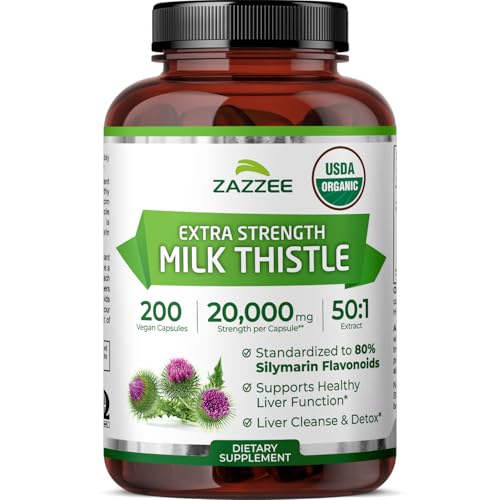
- CleanseParasites Heavy Metal + Microplastics Binder Editor’s Pick
Contains milk thistle alongside spirulina, zeolite, and other binder herbs. - Thorne Siliphos (Silybin Phosphatidylcholine Complex)
capsules, 1 capsule (~120mg silybin-phosphatidylcholine complex) — Phospholipid complex form (silybin bound to phosphatidylcholine) for liver support - Jarrow Formulas Milk Thistle 150mg (Silymarin Standardized Extract)
capsules, 1 capsule (150mg, 80% silymarin) — Widely used, standard 80% silymarin extract at an accessible price - NOW Foods Silymarin Milk Thistle Extract 150mg
capsules, 1 capsule (150mg, 80% silymarin) — Made under NOW’s GMP Quality Assured program, budget-friendly staple brand with consistent standardization - Nature’s Way Milk Thistle Thisilyn Standardized Extract
capsules, 1 capsule (175mg, 80% silymarin) — Long-running standardized formula, one of the most established milk thistle brands in the US market
As an Amazon Associate we earn from qualifying purchases. Quality varies widely — always choose a product with a published third-party test (COA) before buying.
A Note on the Evidence
This article summarizes early laboratory and animal research, not human clinical evidence, and milk thistle should not be used as a substitute for established bone-health care. It is not FDA-evaluated for safety or effectiveness, may interact with certain medications, and anyone with existing health conditions or on prescription drugs should consult a physician before use. This is informational content, not medical advice.
Frequently Asked Questions
Does milk thistle help with osteoporosis in humans?
There is no human clinical trial evidence confirming this. The available research on silibinin and bone is limited to cell cultures and animal models, such as ovariectomized rats used to study estrogen-deficiency bone loss [3].
What is the proposed mechanism linking milk thistle to bone health?
Researchers propose that silibinin’s antioxidant properties may protect bone-forming osteoblasts from oxidative stress and support BMP signaling pathways involved in bone formation [8], while also restraining excess osteoclast activity [1].
Has milk thistle been studied for diabetes-related bone loss?
Yes, one study examined silibinin’s effects in a rat model of streptozotocin-induced diabetic osteoporosis and reported protective effects [4].

Is milk thistle used in bone implants or medical devices?
Separate from supplement use, researchers have incorporated silibinin into experimental bone scaffolds, nanoparticle coatings, and titanium implant coatings in lab studies [11] [6].
Should I take milk thistle specifically for bone health?
Not based on current evidence. The research is early-stage, largely preclinical, and hasn’t been tested in human bone-health trials. Talk to a physician about evidence-based approaches to bone health, and about milk thistle generally if you’re on medications it could interact with.
Are there safety concerns with milk thistle supplements?
Milk thistle is not FDA-evaluated for safety or effectiveness. It can interact with CYP450-metabolized medications, including some statins, diabetes drugs, and hormonal therapies, and people with ragweed or Asteraceae allergies, or diagnosed liver disease, should consult a physician before use.
References
- Kim JL et al. Osteoblastogenesis and osteoprotection enhanced by flavonolignan silibinin in osteoblasts and osteoclasts. Journal of cellular biochemistry (2012). PMID 21898547
- Mao YX et al. RAGE-dependent mitochondria pathway: a novel target of silibinin against apoptosis of osteoblastic cells induced by advanced glycation end products. Cell death & disease (2018). PMID 29867140
- Kim JL et al. Antiosteoclastic activity of milk thistle extract after ovariectomy to suppress estrogen deficiency-induced osteoporosis. BioMed research international (2013). PMID 23781510
- Wang T et al. The protective effects of silibinin in the treatment of streptozotocin-induced diabetic osteoporosis in rats. Biomedicine & pharmacotherapy = Biomedecine & pharmacotherapie (2017). PMID 28273632
- Darvishi-Khezri H et al. Can silymarin ameliorate β-thalassemia major-induced osteopenia/osteoporosis?. Journal of complementary & integrative medicine (2022). PMID 34036762
- Tao ZS et al. Silibinin-modified Hydroxyapatite coating promotes the osseointegration of titanium rods by activation SIRT1/SOD2 signaling pathway in diabetic rats. Journal of materials science. Materials in medicine (2022). PMID 36057883
- Mohd Fozi NF et al. Milk thistle: a future potential anti-osteoporotic and fracture healing agent. Current drug targets (2013). PMID 24093748
- Ying X et al. Silibinin promotes osteoblast differentiation of human bone marrow stromal cells via bone morphogenetic protein signaling. European journal of pharmacology (2013). PMID 24076187
- Kim JL et al. Osteogenic activity of silymarin through enhancement of alkaline phosphatase and osteocalcin in osteoblasts and tibia-fractured mice. Experimental biology and medicine (Maywood, N.J.) (2012). PMID 22496431
- Tao Z et al. Silibinin Can Promote Bone Regeneration of Selenium Hydrogel by Reducing the Oxidative Stress Pathway in Ovariectomized Rats. Calcified tissue international (2022). PMID 35048133
- Leena RS et al. Alginate/Gelatin scaffolds incorporated with Silibinin-loaded Chitosan nanoparticles for bone formation in vitro. Colloids and surfaces. B, Biointerfaces (2017). PMID 28711017
- Vimalraj S et al. Synthesis and characterization of zinc-silibinin complexes: A potential bioactive compound with angiogenic, and antibacterial activity for bone tissue engineering. Colloids and surfaces. B, Biointerfaces (2018). PMID 29635136
These statements have not been evaluated by the Food and Drug Administration. This information is not intended to diagnose, treat, cure, or prevent any disease. Content is for informational purposes only and is not medical advice; consult a qualified healthcare provider before starting any supplement. As an Amazon Associate we earn from qualifying purchases.